
 Added to basket

 Unapplied Changes













Diffuse hair shedding following pregnancy is a common yet distressing concern. In this case, a combined regenerative approach using Purasomes an exosome therapy and Polynucleotides HPT (High Purification Technology) supported follicular recovery and improved scalp health in a patient with chronic telogen effluvium.
A 37-year-old female presented with diffuse hair thinning six months postpartum, reporting excessive shedding, reduced volume and increased scalp visibility, particularly along the midline and frontal scalp. The condition caused significant psychological distress, compounded by ongoing stress that contributed to its persistence beyond the expected recovery period.
Clinical assessment and diagnosis Examination revealed diffuse thinning across the vertex and frontal scalp, with a positive hair pull test and fine calibre hair shafts demonstrating mild variability. The scalp showed mild erythema without scarring.
Based on these findings, a diagnosis of telogen effluvium progressing to a chronic state was made. While initially triggered by postpartum hormonal changes, ongoing stress was considered a key factor in prolonged telogen retention and impaired re-entry into the anagen phase.
...persistent shedding may indicate disruption in follicular signalling and a compromised scalp environment.
Treatment rationale
While many cases of postpartum hair loss resolve spontaneously, persistent shedding may indicate disruption in follicular signalling and a compromised scalp environment. Conventional treatments such as topical minoxidil can prolong the anagen phase but require ongoing use and may present tolerability concerns.
Similarly, platelet-rich plasma (PRP) offers regenerative potential but is subject to variability depending on preparation methods and patient-specific factors.
Emerging regenerative strategies aim to restore the biological conditions necessary for normal follicular cycling. Exosome-based therapies deliver signalling molecules involved in angiogenesis and cellular communication, while polynucleotide-based injectables support dermal regeneration and extracellular matrix organisation..
 Regenerative approach
A combined protocol was selected to address both follicular signalling and dermal support.
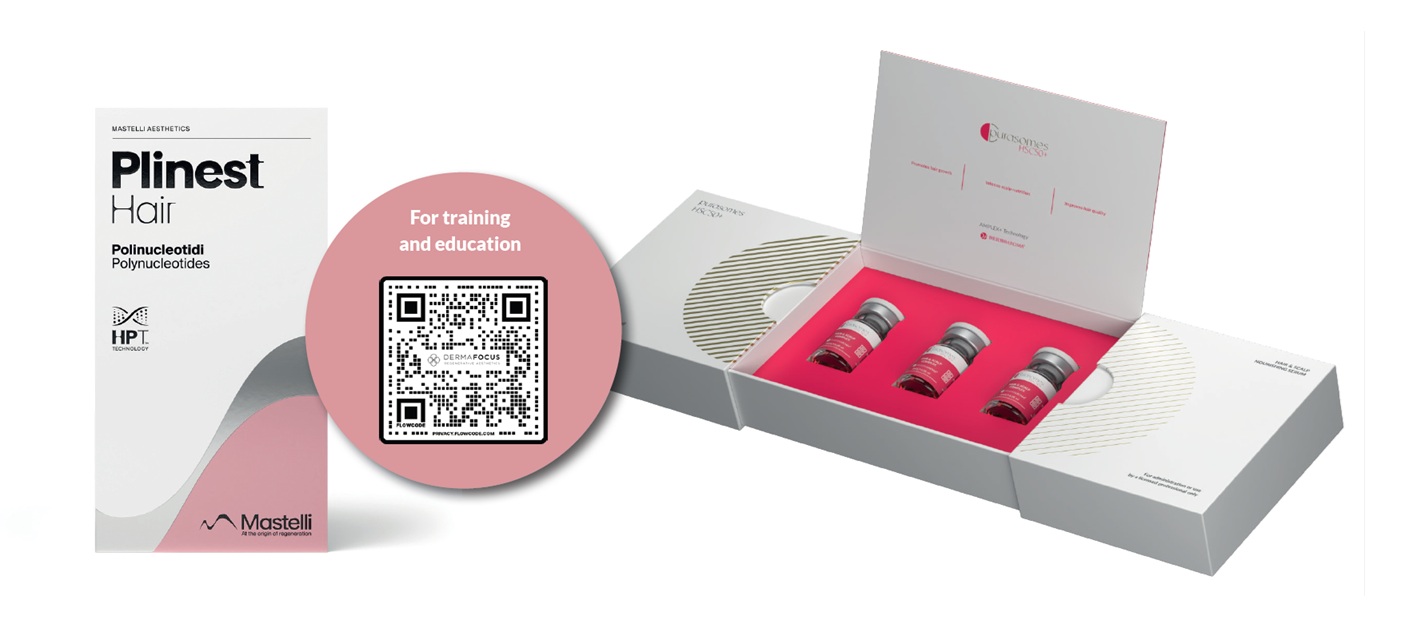
Purasomes HSC50+ Hair & Scalp Complex delivers a high concentration of exosomes and growth factors derived from bovine colostrum, ensuring consistent and reliable biological activity.
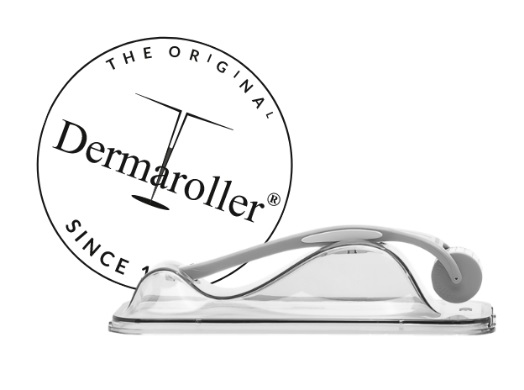
Microneedling enhances delivery by creating microchannels within the skin, improving absorption while stimulating a natural regenerative response.
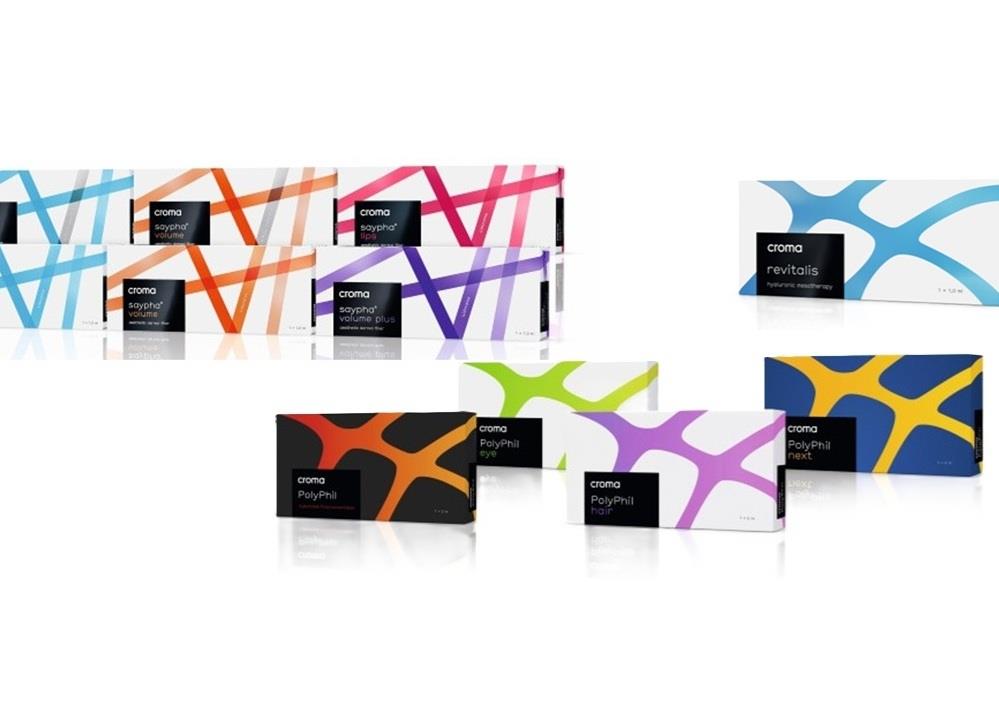
To complement this, Plinest Hair, a polynucleotide-based injectable, was incorporated to optimise the scalp environment. Polynucleotides are known to support fibroblast activity, improve hydration and angiogenesis, key factors in maintaining follicular structure and function.
Treatment protocol
A structured regenerative programme was delivered over approximately eight weeks, comprising six treatments in a sequential approach.
The patient initially underwent three sessions of exosome therapy using Purasomes HSC50+, applied via microneedling at two- to three-week intervals to stimulate follicular signalling.
This was followed by three sessions of Plinest Hair, administered via intradermal microinjections and spaced at the same interval, aiming to optimise the dermal environment and support sustained follicular function.
Results
Clinical improvement was progressive, with a marked reduction in shedding by the second session and a negative hair pull test by the third. Visible gains included increased hair density and improved scalp coverage, with the patient reporting reduced daily shedding and enhanced confidence.
Discussion
This case highlights the potential of a combined regenerative approach in managing chronic telogen effluvium where spontaneous recovery has not occurred.
By targeting both follicular signalling and dermal support, the integration of exosome therapy and polynucleotide treatment offers a comprehensive strategy for restoring hair growth without reliance on continuous pharmacological intervention.
While further studies are required to optimise treatment protocols and long term maintenance strategies, this approach demonstrates promising clinical outcomes in patients with persistent postpartum hair shedding, particularly where psychological stress is a contributing factor.

Dr Melissa Mckay is a medical aesthetic practitioner with over 15 years experience. She is the founder of Dr Melissa clinic based in Central London.
