 Added to basket

 Are you sure?















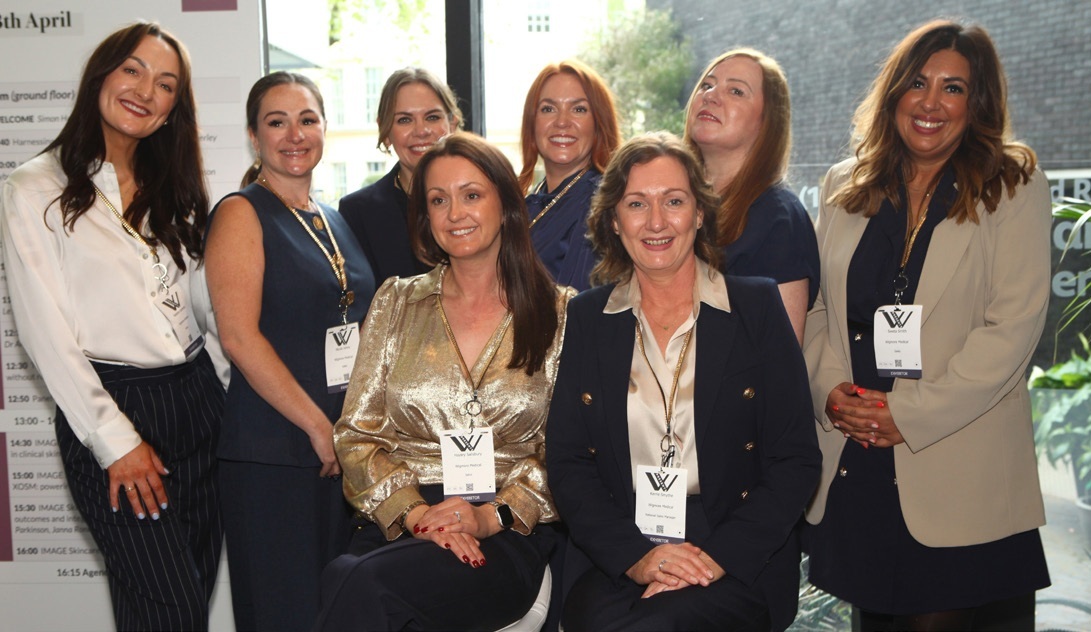
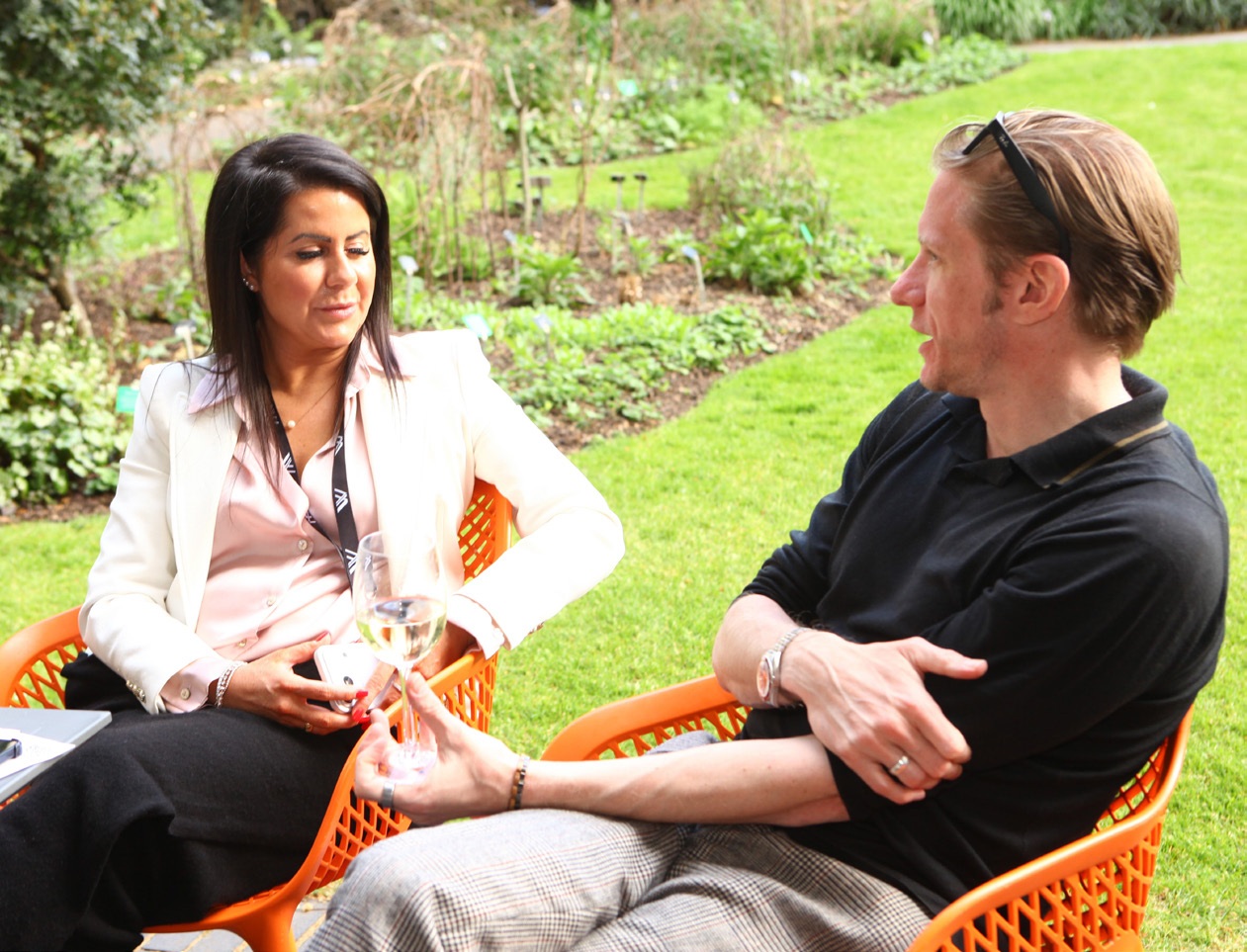
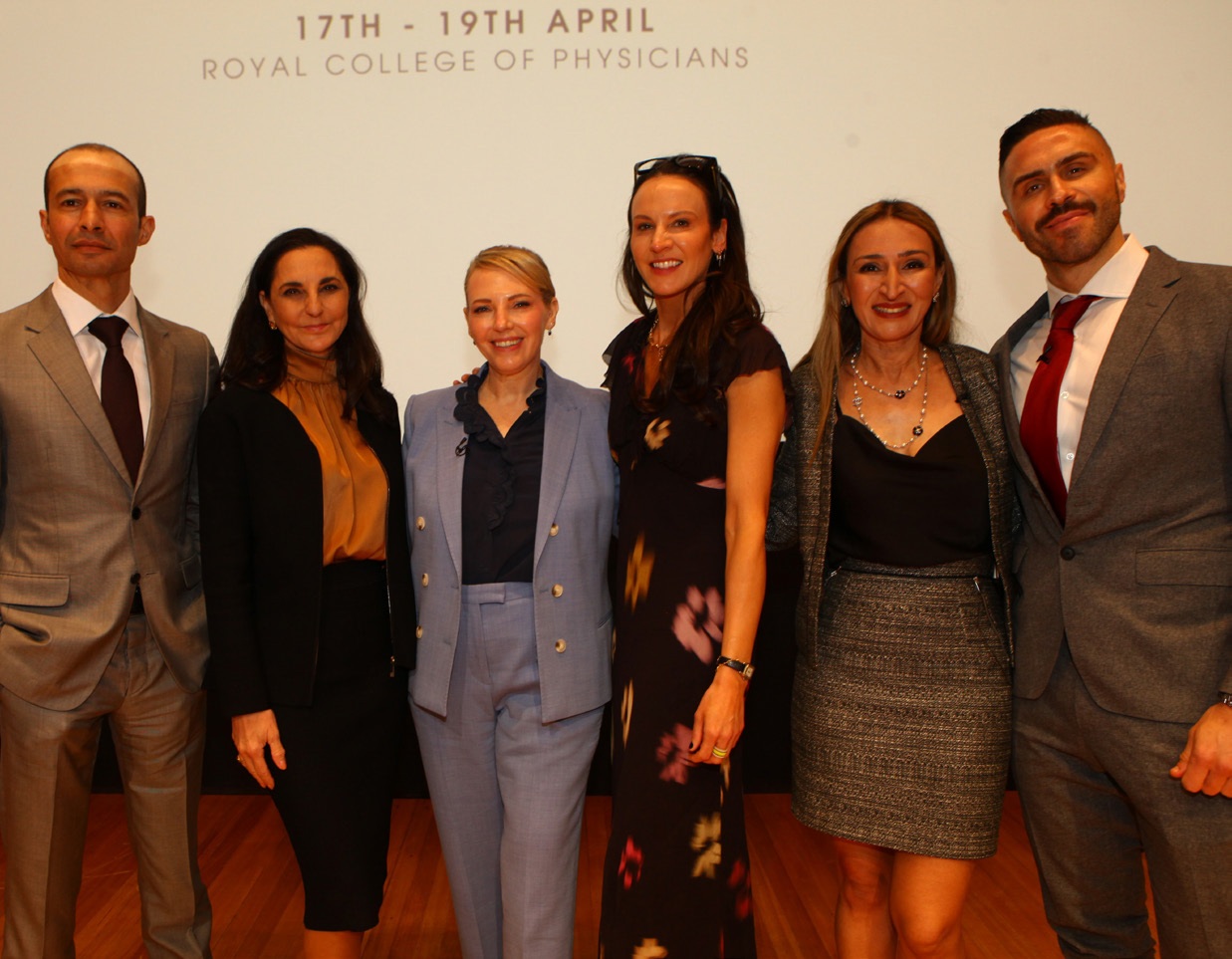
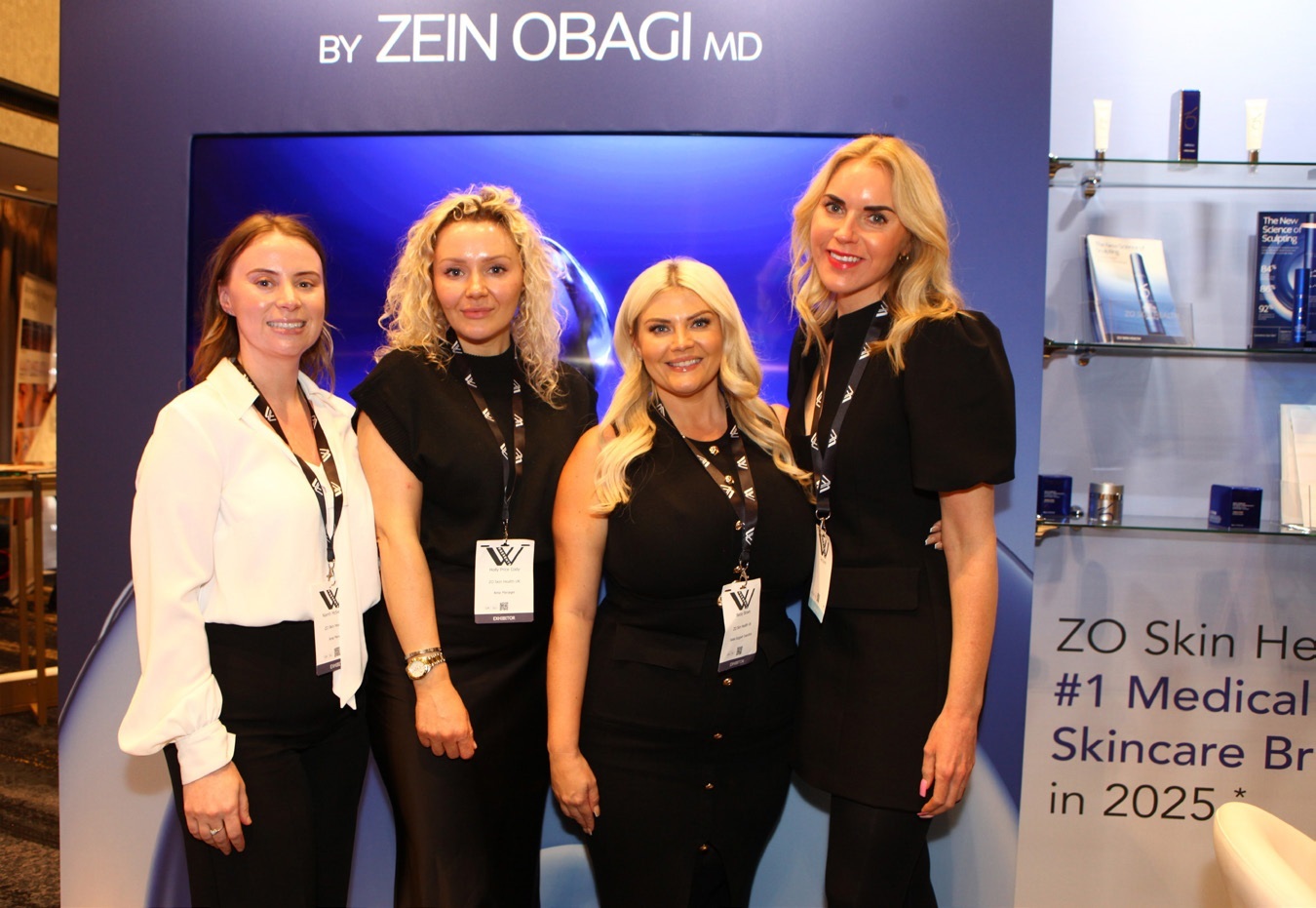
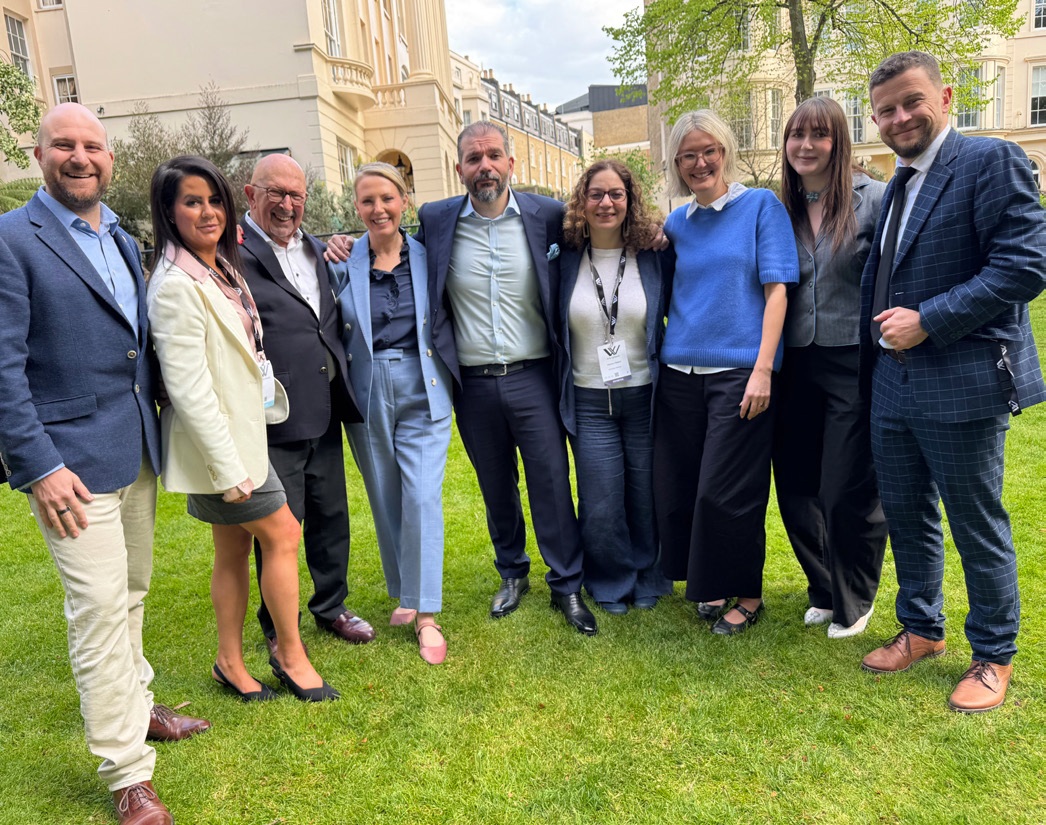
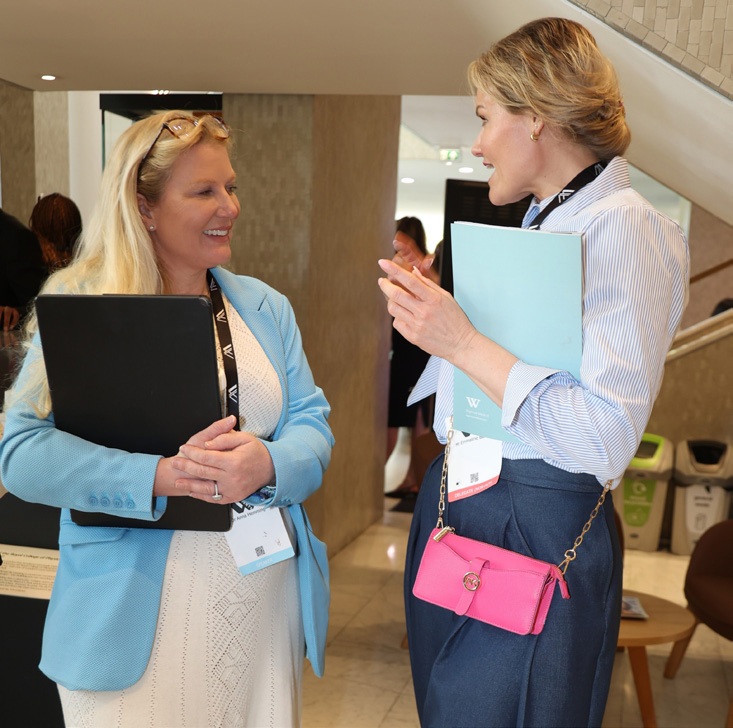
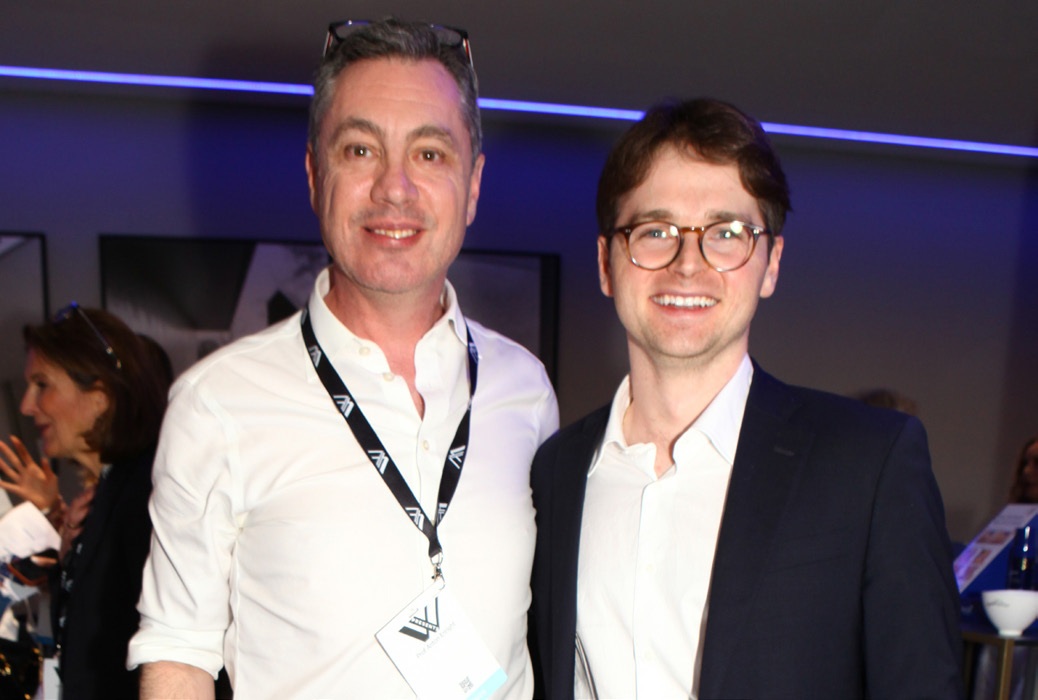
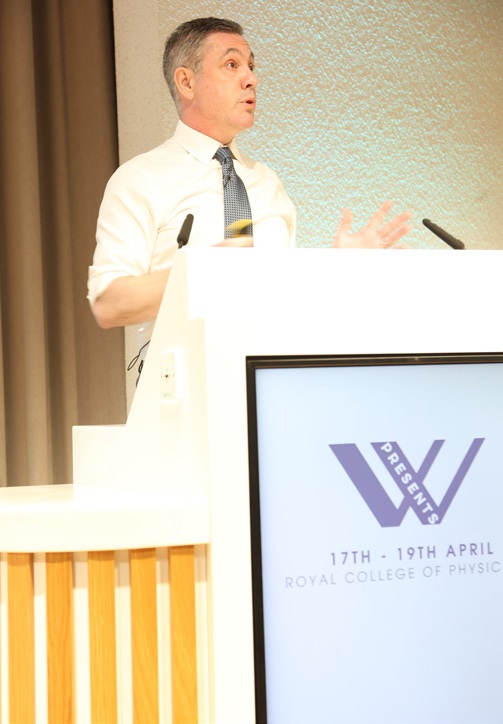
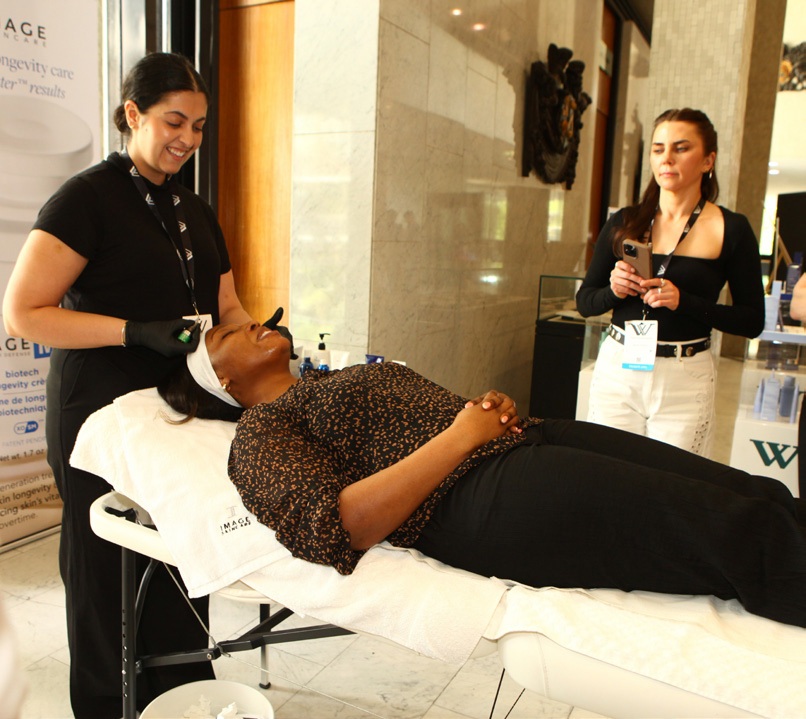
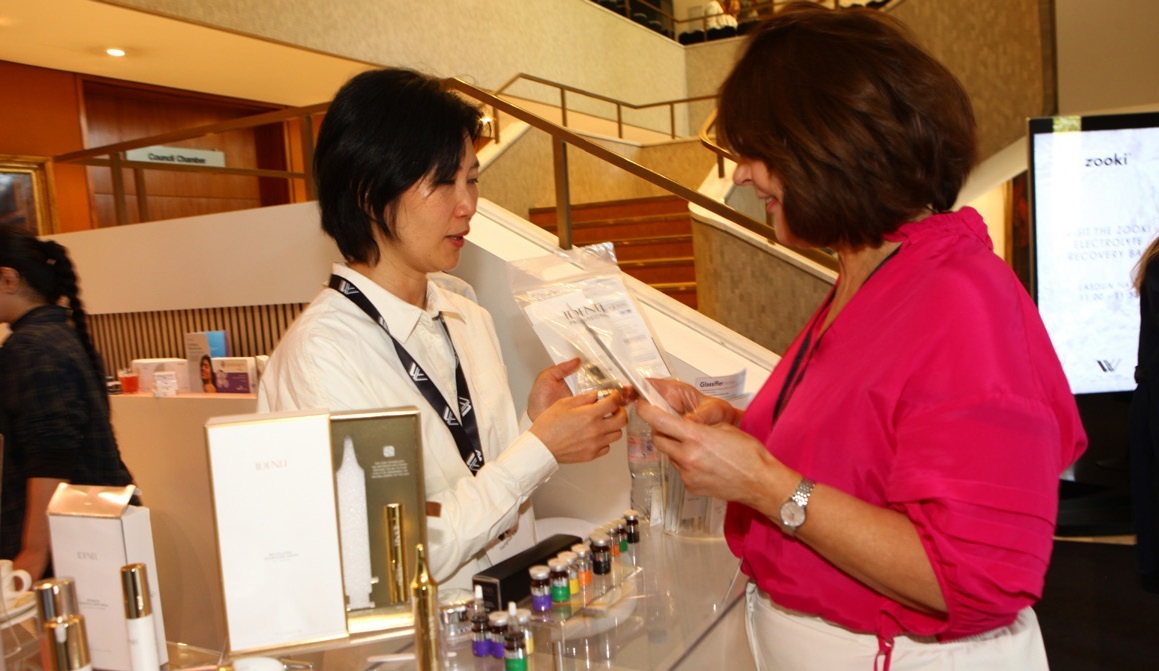
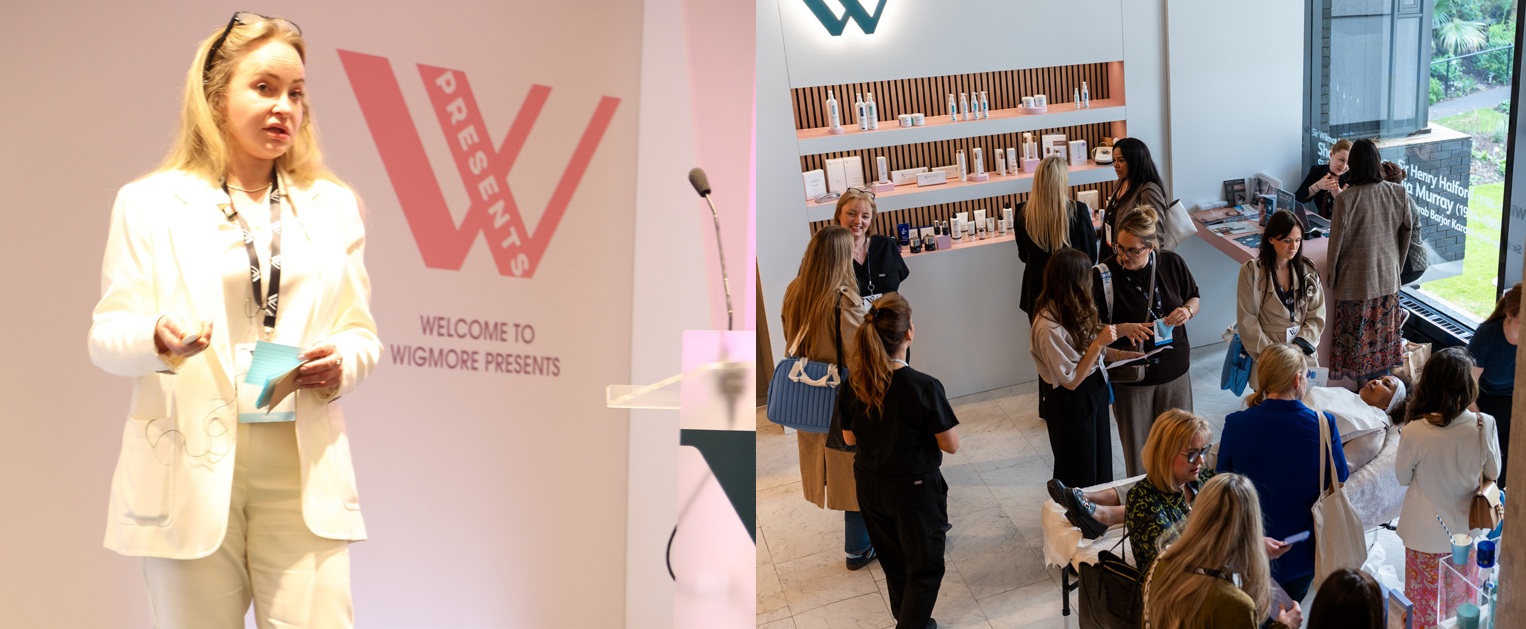
The fifth Wigmore Presents, was held at the Royal College of Physicians on 17th, 18th and 19th of April. Hosting nine separate agendas, our team brought together a stellar line-up of renowned speakers presenting the latest in aesthetics education. Key talks included the Anatomy Masterclass, Longevity and Ethics, Skin Quality Toolbox, Treating the Skin Spectrum as well as welcoming back the Business agenda, ZO Skin Health’s symposium, and the first partnering with BAMAN. In addition to the first-rate education, there was a first-rate networking event on the Saturday night at the Little Violet Door channelling the 90s House Party vibe, as well as opportunities to catch-up with speakers and delegates across the three days. We have just about recovered! See our round up of the agenda highlights overleaf.
Friday
“We need business plans to accommodate our ageing population”
Prof Syed Haq
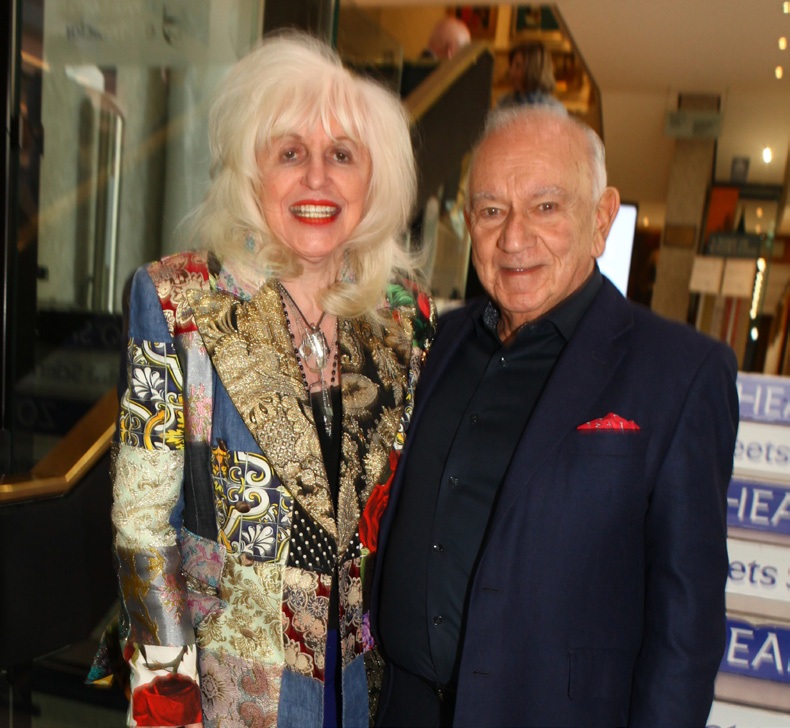
Friday’s keynote talk—quality of life as part of longevity—began with Professor Haq discussing the mechanisms of ageing. Delegates learnt that ageing is a complex biological process which brings about a reduced regenerative capacity, with nearly every organ impacted. “The fibroblast is a very complex cell, it has an important metabolic function and provides immune regulation,” he shared, also talking about the epigenetic clock and promising therapeutic rejuvenation strategies, including nutraceuticals, medication and dietary restriction. Professor Haq touched upon collagen stimulation, stating that polynucleotides have changed the face of our practice with their multifunctional approach. He finished by advising the room to build business plans that accommodate an ageing population, “otherwise we will be left behind.”
“Calorie restricted diets can increase lifespan—GLP-1’s will have a massive effect”
Prof Anton Enright
In Professor Anton Enright’s insightful talk on the scientific and ethical basis for regenerative approaches to longevity, delegates were told that huge breakthroughs in science and medicine have occurred, but can we separate hype and wishful thinking from reality? One of the hallmarks of ageing, Professor Enright told delegates, is DNA mutations, with two or three occurring a day by the age of 70. He stated that stem cells have enormous potential, as they can halt age related decline in tissue and cellular function, but there are few established treatments at present. He also discussed exosomes, saying there’s less regulation around them, but it’s unclear what factors may be beneficial. “It’s difficult to know what’s going on, so be vigilant with the literature,” he advised.
“Define clearly and be specific about what you mean by regeneration”
Dr Beibei Du-Harpur
Dr Du-Harpur’s regenerative dermatology talk began with the question of what works and what is claimed. The dermatologist discussed examples of cell therapy as the administration of patient derived cells to restore tissue function, stating that gene therapy corrects a structural defect by restoring epidermal integrity. “People are missing steps in scientific regulation—look for primary source data, don’t take a review as evidence,” she noted. Dr Du-Harpur told the audience that the definition of regeneration has expanded beyond its original meaning, and concluded by saying that practitioners should be specific about what they mean. “If everything is regenerative, the term loses meaning and credibility,” she said.
Saturday
“We all have a huge responsibility—we must know our limitations”
Dr Beatriz Molina
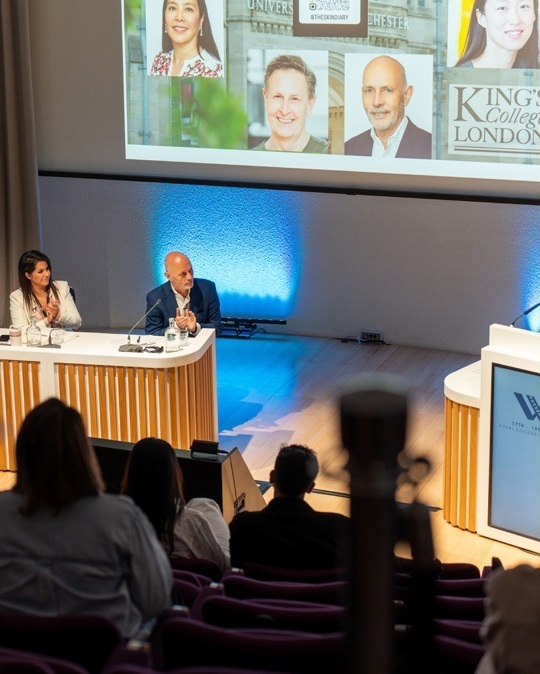
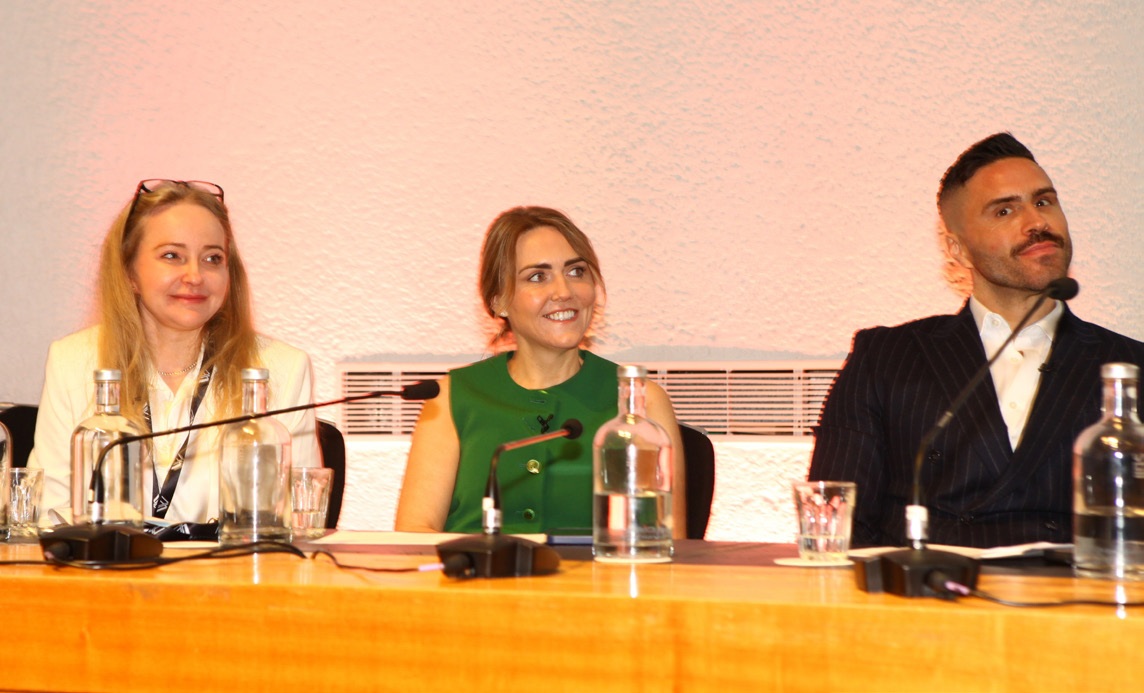
A triple threat of experts came together in the Council Chamber to discuss complications. “We have a responsibility towards patients to know our tools—all fillers behave differently when injected,” Dr Beatriz Molina told the audience, while nurse Emma Davies advised learning who not to treat. “Do you know which patients you need more information on?” she questioned, moving on to discuss invisible red flags and contraindications, recommending that delegates need to pick up on and manage unrealistic expectations. “If you are using a generic consent form, put it in the bin immediately!” she emphasised. Dr Max Malik closed by saying there’s no room for mistakes. “Clinicians may experience significant psychological distress after complications or even perceived poor outcomes—we don’t want to become second victim.”
“Ovarian ageing is the ultimate biological time clock”
Dr Mayoni Gooneratne
Dr Gooneratne’s talk on women’s health began with the expert practitioner revealing that how women cope in pregnancy dictates how they will be in perimenopause. “Women are living longer, we are experiencing perimenopause differently to our parents,” she told an engaged audience, advising them to start paying attention to what women are talking about. She discussed three things that happen around perimenopause, including a dramatic drop in progesterone, rising cortisol and reduced oxytoxin. “Cortisol is a real bully,” she noted, revealing that insulin and inflammation influence women’s ageing, and that cortisol’s lead response results in the distribution of mid- section fat. Advanced glycation causes ageing, not just in the face but all organs, she warned, closing by stating that the best longevity tool is exercise.
“Weight loss as a service is far more than an injection”
Anna Baker
Presented by Anna Baker, the GLP-1 face talk began with the nurse prescriber advising a packed room to consider changes associated with GLP-1, including decreased adipose tissue, reduced skin elasticity and a decline in thickness and density. “One of my go-to treatments is radio frequency—it’s a good price point and as a lunchtime treatment it delivers,” she shared, also stating that Profhilo Structura is an interesting technology timing-wise, and
that LED phototherapy can be used standalone or with other treatments, but the wavelength and dose need to be right. Baker noted that skin changes around the eyes is a concern of patients, although “the good news is there are technologies out there that can address this.” She concluded by saying that emerging data suggests benefits to a variety of inflammatory skin conditions, and believes that GLP-1s will be prescribed for PCOS in the future.
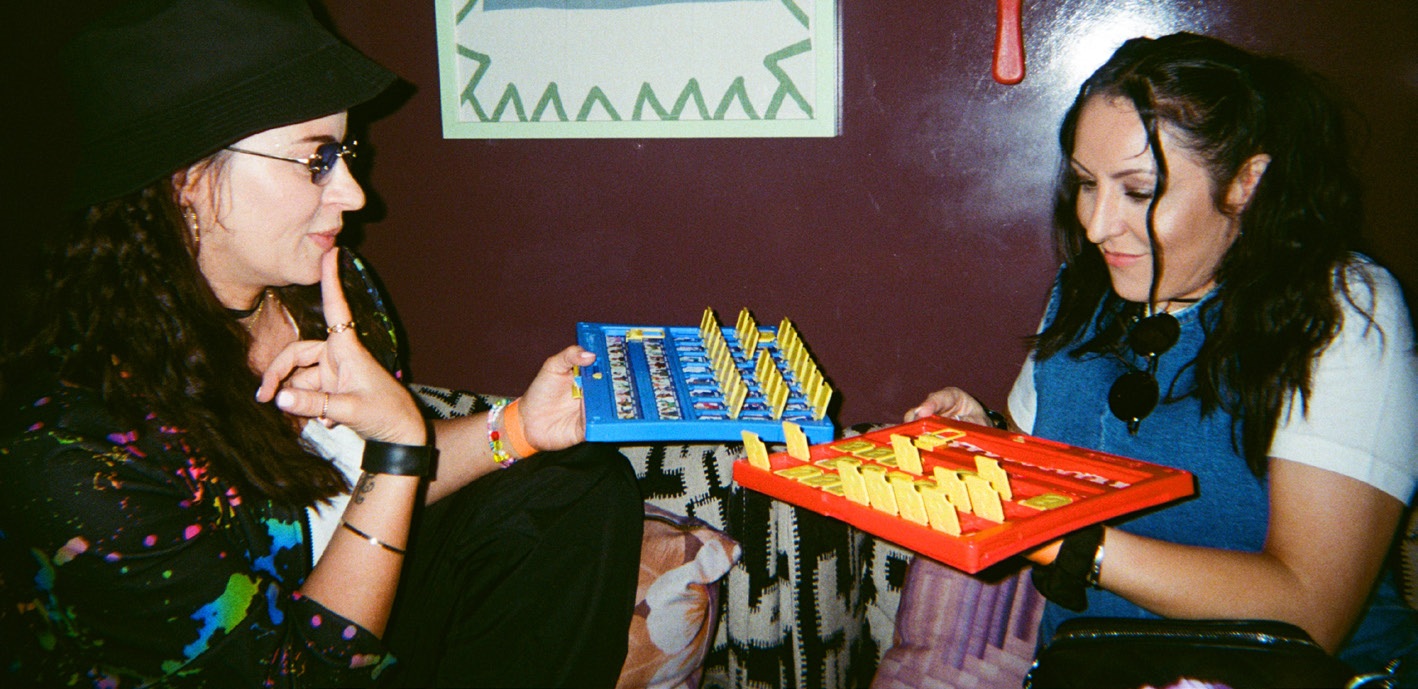
We Partied Like It Was 1999
Saturday evening saw the return of the muchanticipated Wigmore Presents afterparty, this year hosted at the vibrant The Little Violet Door. Set in the heart of Soho, the venue provided the perfect backdrop for delegates to embrace the 90s theme, don their favourite throwback looks, and dance the night away. Live entertainment from a saxophonist and DJ kept the energy high, with iconic 90s hits setting the tone for an unforgettable evening. A brilliant night of music, nostalgia and celebration, and a highlight of the weekend for many.



Sunday
Sunday opened with Dr Mayoni Gooneratne, making a compelling case for integrative aesthetics. Drawing on eleven years in practice, she described a patient landscape increasingly shaped by cortisol-driven skin conditions, perimenopause, poor sleep and chronic stress —all of which, she argued, directly destabilise treatment outcomes. “If the underlying health system is unstable, your treatment response will be unstable,” she told delegates. Her vision for the future clinic is one that connects health and appearance, using an enhanced, systems-level consultation to identify root causes before reaching for a syringe or device. “The skin is a dashboard, not a disconnected surface, it is a window into your health,” she noted.“Stress can look like treatment failure”
Dr Mayoni Gooneratne
A standout session of the day brought together four speakers under the theme of skin quality. Professor Chris Griffiths opened with a deep dive into inflammaging—the chronic, low grade inflammation that worsens with age and underpins conditions from conditions from rosacea and acne to accelerated skin ageing and impaired barrier function. Calorie restriction, resistance training, the gut microbiome and autophagy were all discussed“In the future, we may be able to treat depression just by applying skincare”
Ian Vitek, HydroPeptide
as interventions. Cosmetic chemist Ian Vitek of HydroPeptide then introduced the emerging field of neurocosmetics, explaining the shared embryological origin of our skin and brain, and the role of neuropeptides in the skin-brain axis. He was candid about the limitations of current evidence, but enthused about the potential. Dr Mary Sommerlad followed with a practical toolbox for treating patients with skin of colour, emphasising that the foundational layer is always skincare, conditioning must precede any procedure, and realistic expectations are non-negotiable. And Dr Clare Kiely closed with a rigorous examination of longevity skincare, mapping the twelve hallmarks of skin ageing and urging delegates to interrogate ingredient claims with the same scrutiny applied to pharmaceuticals. “Ingredient data is not proof,” she cautioned, “and clinical improvement does not equal biological repair.” She pointed to epigenetic clocks, spatial transcriptomics and proteomics as the emerging tools set to define the next frontier of skin science.
Sunday
The afternoon anatomy masterclass, chaired by Julie Scott and Miss Sherina Balaratnam, was a tour de force. Doctor Sebastian Cotofana, anatomist, university professor, honorary and visiting professor across multiple institutions, and one of the most sought-after educators in anatomy globally, joined virtually. He walked delegates through five ten-minute dissection videos covering the periorbital region, temple and midface, nose, perioral area and chin and jawline, each followed by panel discussion with Mr James Olding, Dr David Eccleston and Miss Natasha Berridge. Mr Olding opened by reflecting on how practitioners learn, with Cotofana noting that cadaver courses are frequently overestimated if taken at the wrong stage of training—newbies need not apply. A striking research finding emerged from the perioral discussion: of all facial regions, it is the area around the mouth that contributes most to an aged appearance, prompting rich debate around a function-first approach to the lower face. The panel was also unequivocal on the nose: a high-risk area not to be approached without significant experience. Cotofana ended the session with an exclusive public announcement of his forthcoming 400-page coffee table book, and left delegates with a parting refrain: “You can always pick up something. Never stop learning.”“You can always pick up something new, even at the top of your game”
Dr Sebastian Cotofana
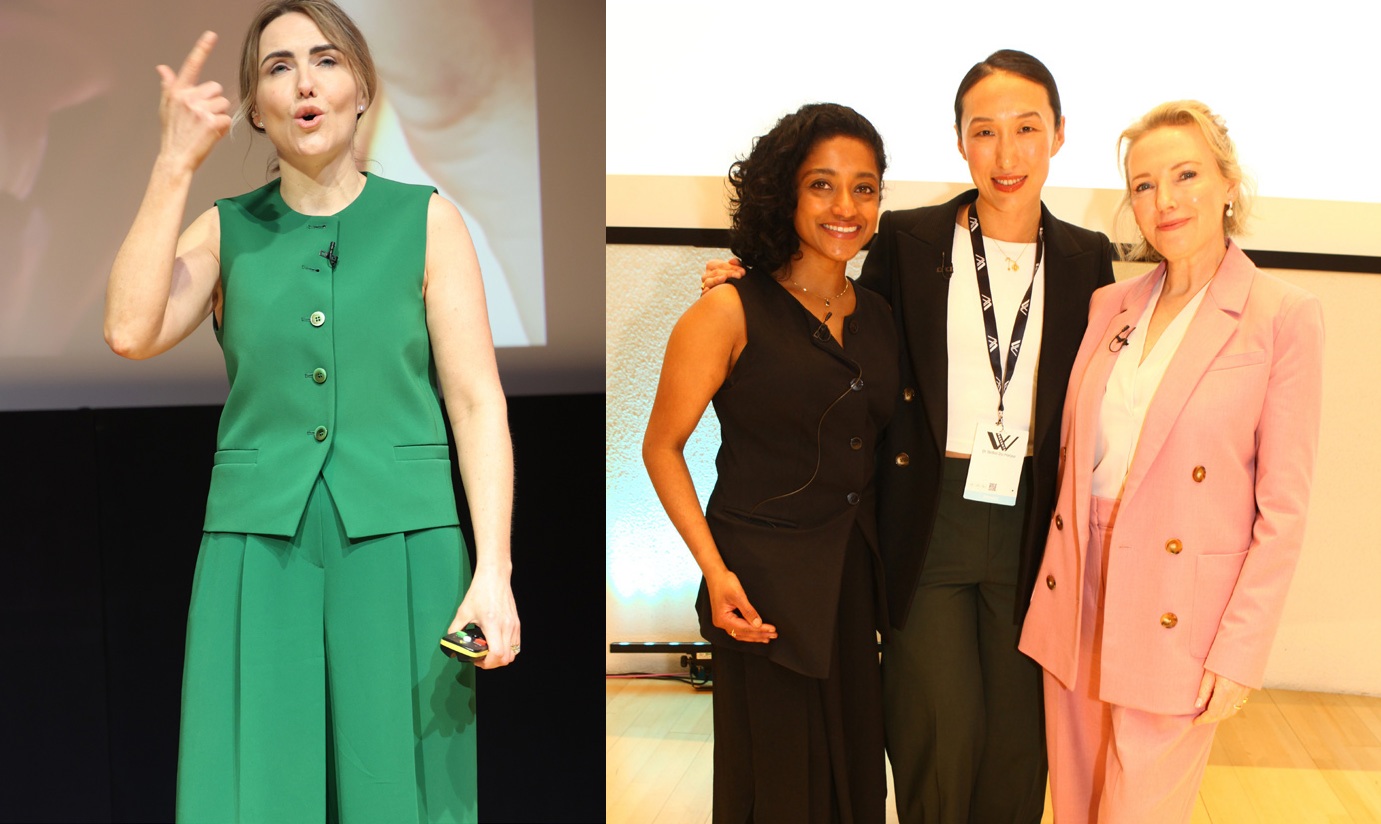
“Tyrosinase inhibitors are essential in skin of colour.”
Dr Kai Rajeswaran
A panel of experts explored treating the full spectrum of skin, with a strong emphasis on individualised care. Dr Kai Rajeswaran highlighted the importance of barrier repair and hydration in skin of colour, alongside the cautious use of actives to avoid inflammation-led pigmentation. She also emphasised the role of tyrosinase inhibitors, describing them as “essential in skin of colour,” and noted that combining milder options, such as vitamin C and ferulic acid, can offer a more tailored yet effective approach. Dr Tanja Phillips reinforced that no two patients, even with exactly the same skin tone, will respond in the same way: “You must treat the person in front of you, not the Fitzpatrick type.” Closing the session, Dr Mary Sommerlad turned the discussion to the audience with a real-life case study of a patient in her mid-50s with Fitzpatrick IV–V skin, who had experienced 20 years of persistent hyperpigmentation. Audience members highlighted the importance of patient education, noting that when patients understand the causes, triggers, and treatment pathways, they are far more likely to engage and achieve long-term results. The panel agreed, emphasising the wider value of education and tools such as clear, accessible patient information leaflets to support conditions like melasma, empowering patients to take control, rather than avoid or misunderstand their skin concerns.