 Added to basket

 Unapplied Changes























Dr Kai Rajeswaran speaks to Wigmore News about the power of polynucleotides
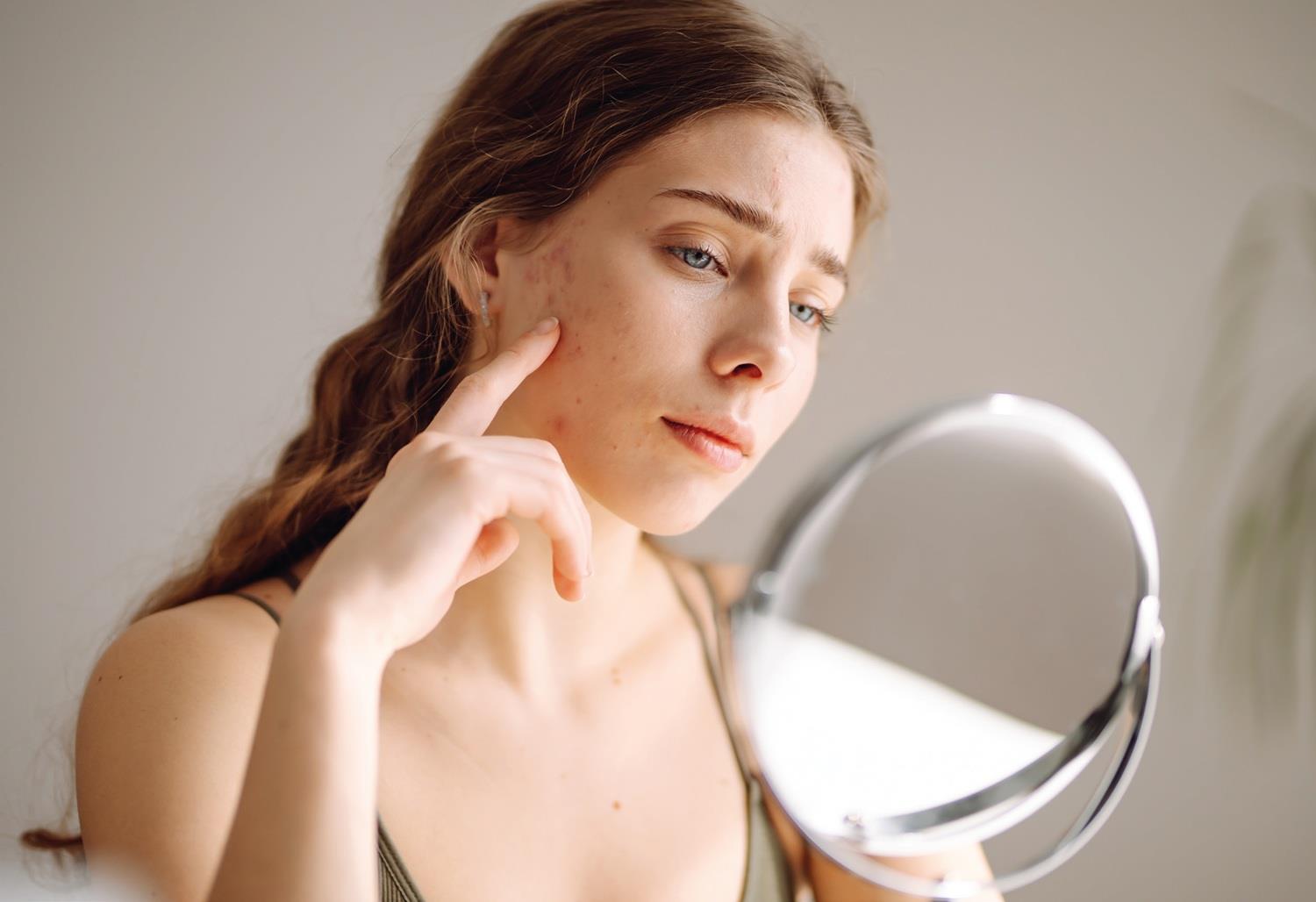
In patients with skin of colour, treating skin quality and pigmentation requires a careful balance. Many commonly used aesthetic treatments carry a higher risk of inflammation and therefore lead to post inflammatory hyperpigmentation (PIH). Which means protocols often need to prioritise skin stability and barrier health before many in clinic interventions. One treatment that has become increasingly interesting as part of my approach is polynucleotide therapy, particularly in pigment prone or reactive skin types.
Why I consider polynucleotides in skin of colour
In clinical practice, many of the concerns seen in skin of colour such as melasma, PIH, uneven tone or dullness, are closely related or caused by inflammation and dysregulated cell signalling. Commonly used and effective pigment treatments will focus on tyrosinase inhibition, but is this enough? When looking at pigmentation, it is vital that we also look at the cause. The underlying skin environment, which contributes to pigment instability is often overlooked. Inflammation, oxidative stress and dermal matrix damage can all drive ongoing melanocyte stimulation. Why is this important? If we do not stabilise the skin environment and treat the root cause, pigmentation will unlikely be fully resolved and recur once treatment is stopped.
Polynucleotides offer a different strategy. Rather than directly targeting melanin production, they help to restore dermal health, improve fibroblast activity and reduce inflammatory signalling. In pigment prone skin, especially those with higher Fitzpatrick phototypes, this regenerative approach can be particularly valuable.
Considering PDRN vs polynucleotides
Before introducing polynucleotides into my practice, I considered PDRN based therapies.
PDRN (polydeoxyribonucleotide) has a strong background in regenerative medicine and has been widely used for wound healing, tissue repair and anti-inflammatory signalling. It works primarily through activation of adenosine A2A receptors which promote tissue regeneration and reduce inflammatory pathways.
Interestingly, some studies also suggest PDRN may have indirect pigment modulating effects. By reducing oxidative stress and inflammatory mediators that stimulate melanocytes, PDRN may
help down regulate melanogenesis signalling pathways. However, it is important to note that PDRN is not a direct tyrosinase inhibitor, and its primary mechanism remains tissue repair rather that melanin suppression.
Polynucleotides differ in that they consist of longer DNA chains, which not only signal cellular repair pathways but also interact with extracellular matrix environment.
Clinically, this means, polynucleotides can:
- Stimulate fibroblast activity
- Improve collagen and elastin production
- Support extracellular matrix repair
- Provide hydration through their hydrophilic properties
Fibroblast activity and pigment regulation
One of the most interesting developments in pigment biology is the recognition that fibroblasts play an important regulatory role in melanocyte behaviour.
Historically, pigmentation disorders were thought to be primarily melanocyte driven. However, research increasingly shows that dermal fibroblasts influence melanogenesis through signalling pathways within the dermal-epidermal unit..
Fibroblasts release a number of signalling molecules that can affect melanocyte activity, including:
- Stem cell factor
- Hepatocyte growth factor
- Inflammatory cytokines
- Oxidative stress mediators.
In conditions associated with inflammation or photo damage, such as melasma or PIH, fibroblasts can shift towards a pro melanogenic signalling profile, contributing to persistent pigment activation.
By stimulating fibroblast repair and improving extracellular matrix health, polynucleotides may help restore balanced fibroblast-melanocyte communication which can stabalise pigment pathways over time.
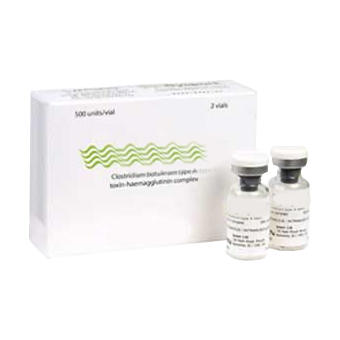
WHY I CHOSE PLENHYAGE FOR SKIN OF COLOUR 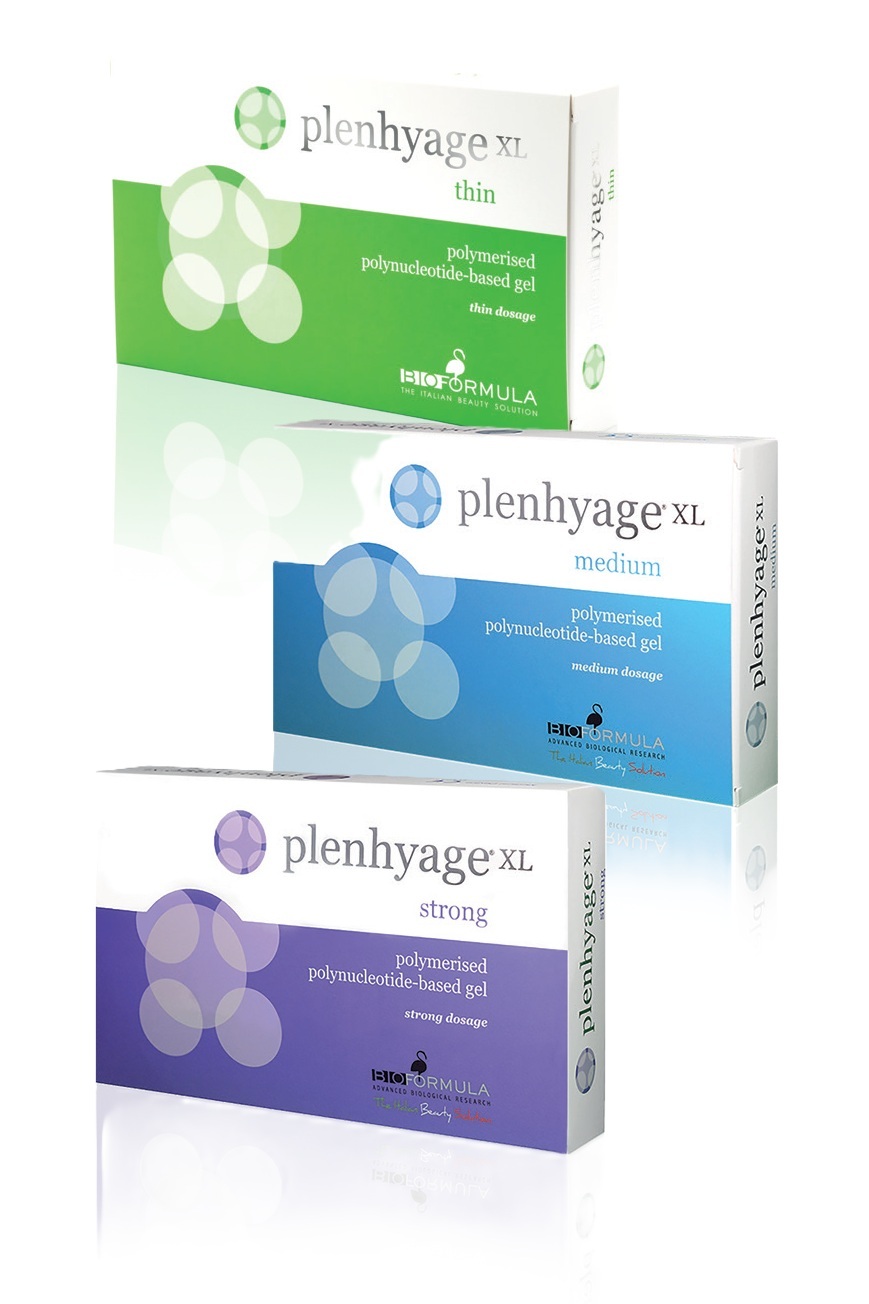 When incorporating polynucleotides into my protocols, I spent time evaluating several available formulations. Ultimately, I chose Plenhyage because its characteristics aligned closely with the way I approach treatment in pigmentation prone and reactive skin. One factor that stood out to me was the source of the polynucleotides. Plenhyage is derived from wild salmon DNA rather than farmed sources, which is often highlighted in the purification process used to produce the polynucleotide chains. While clinic implications of this are still being explored, I felt comfortable with the emphasis on high purity and biocompatibility, particularly when treating sensitive or reactive skin types. Another advantage is the different concentration options, including higher strength formulations. I prefer to begin with lower strength concentrations and gradually move to the higher strengths to increase stimulation. Having access to both has allowed me to tailor treatment to the clients’ skin behaviour. The flexibility fits well with the progressive regenerative approach I use in pigmentation prone skin. I can initially focus on reducing inflammation and stabilising the dermal environment, before moving to higher strength formulations to support collagen stimulation and deeper regeneration once the skin has become more stable. I have found this method works well in skin of colour and have not seen any reactions with the higher strength in skin of colour so far. |
Why I start with lower concentrations and then move up
We know polynucleotides stimulate fibroblast activity. The degree of stimulation introduced into the skin matters, particularly for those with reactive/pro inflammatory skin types.
In pigmentation prone skin, especially those with rosacea (often missed in skin of colour) or inflammatory dermatoses, the dermal environment is often already dysregulated. Fibroblasts may be in an activated inflammatory state.
For this reason, I typically begin with lower concentrations of polynucleotides, particularly for patients with:
- Rosacea prone skin
- Inflammatory hyperpigmentation
- Sensitive or reactive skin
- Higher Fitzpatrick phototypes in general (to assess reaction)
Starting with the lower concentration allows the skin to:
- Reduce baseline inflammation
- Stabilise fibroblast signalling
- Strengthen barrier function
- Gradually adapt to regenerative stimulation
Once the skin environment has stabilised, higher density polynucleotide formulations can be introduced to enhance collagen production and dermal regeneration.
In practical terms this staged approach allows treatment to progress through two phases:
Phase 1: Lower PN concentration-skin stabilisation
• Anti-inflammatory effects
• Dermal microenvironment repair
• Pigment pathway stabilisation
Phase 2: Higher PN concentrationregenerative stimulation
• Enhanced collagen and elastin stimulation
• Increased dermal thickening
• Further improvement in long term skin quality
Combining polynucleotides with tyrosinase inhibitors
Although polynucleotides improve the skin’s environment, they do not directly suppress melanocytes. For this reason, I combine them with tyrosinase inhibitors as part of a layered treatment strategy.
Tyrosinase inhibitors reduce pigment by blocking key steps in the melanogenesis pathway, while polynucleotides help address the inflammatory and dermal triggers that drive melanin activation.
Together these approaches target two key components of pigmentation disorders, melanin production and the dermal environment that stimulates melanocytes.
In my experience, this combination often leads to more stable and sustained improvements in the skin tone, particularly in patients with recurrent pigmentation.
Final thoughts
Polynucleotides represent a shift in the aesthetic medicine toward regenerative therapies that prioritise skin health and cellular balance rather than simply targeting visible pigment.
In my experience, they are especially valuable in patients with skin of colour where pigmentation is often driven by complex interactions between inflammation, dermal signalling and melanocyte activity.
By combining polynucleotides with tyrosinase inhibitors and introducing treatment gradually, it is possible to support both pigmentation control and long-term skin quality improvement while minimising the risk of exacerbating inflammatory pathways. For pigmentation prone skin, this regenerative approach provides a thoughtful and biologically informed strategy that aligns with the evolving understanding of pigment disorders.

Dr Kai Rajeswaran has over 12 years in aesthetic medicine and runs her own clinic, Dr Kai Skin Restoration. She will be speaking on treating skin of colour at WP26 on Sunday 19th April in the Seligman.
