
 Added to basket

 Are you sure?










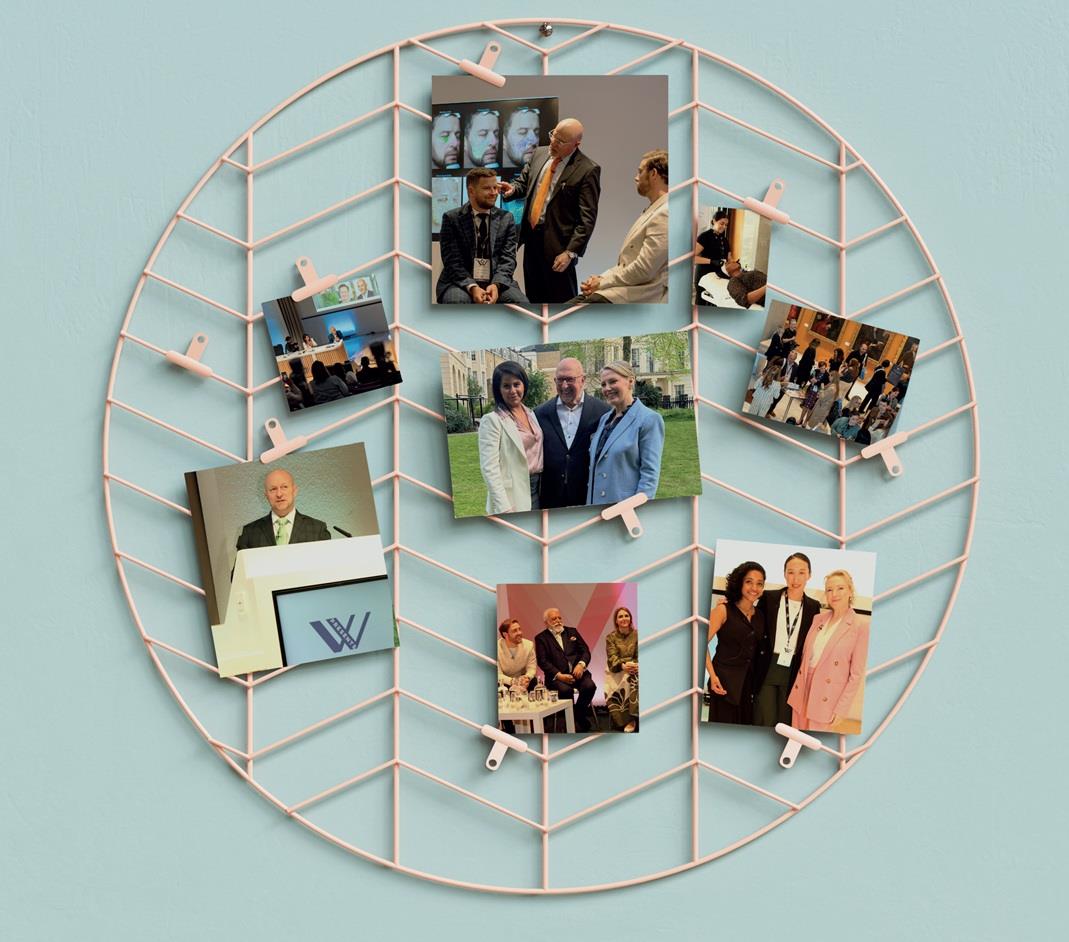




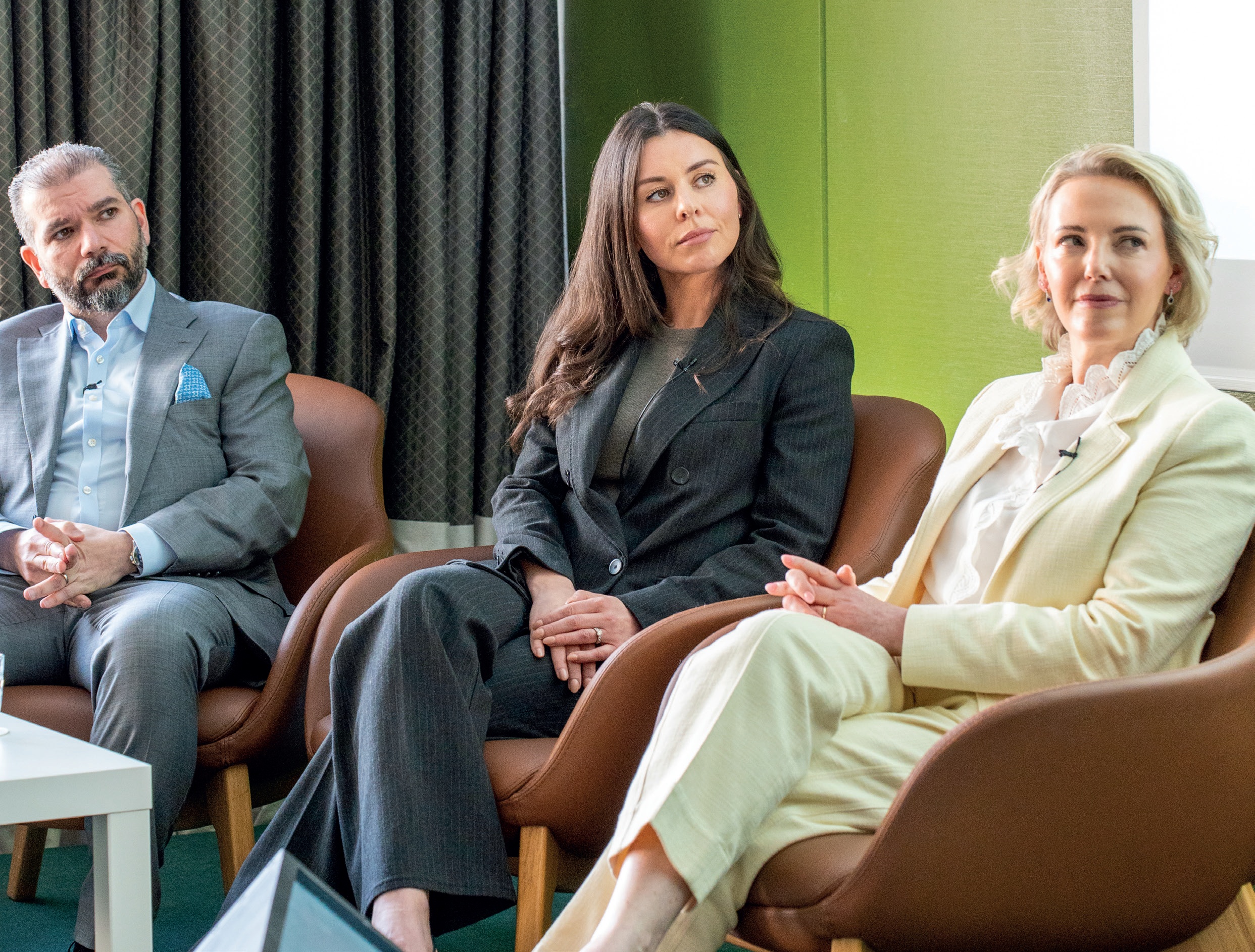
The “Passenger to Partner” panel at Wigmore Presents 2026 brought together Raffi Eghiayan, Dr Jordan Faulkner, Courtney Le Borgne, Julie Scott and Kamran Shibli for a conversation that captured something central to the wider tone of the weekend itself. Across the conference, the emphasis consistently returned to education before sales, long term professionalism over short term gain, and the importance of building an industry that patients and practitioners can genuinely trust.
Moderated by Dr Jordan Faulkner, the session brought together clinicians, educators and business leaders to talk openly about the evolving relationship between medicine and business within aesthetics. Much of the discussion centred around the tension many practitioners feel between clinical ethics and the realities of running a modern clinic.
Early on, Dr Faulkner reflected on his own transition from NHS medicine into aesthetics and how, initially, he viewed industry relationships with caution after learning about research bias and pharmaceutical influence during medical training. Over time, that perspective changed. The conversation quickly moved away from the idea of clinicians and companies sitting on opposite sides of the table and instead focused on partnership, shared responsibility and long-term thinking.
...aesthestics works best when clinics, educators, suppliers and practitioners see themselves as part of the same ecosystem.
Importantly, nobody tried to pretend the commercial side of aesthetics does not exist. If anything, the panel acknowledged that business growth is part of modern practice. The real focus was on how growth can happen without losing sight of the reasons most practitioners entered the industry in the first place.

Julie Scott spoke particularly well about how relationships between clinicians and companies have changed over the last twenty years. Earlier in her career, industry education often felt far more transactional. Companies supplied products and training, but there was less taking control of industry relationships collaboration and less sense of shared direction than there is now.
What came across strongly from Julie’s perspective was the importance of becoming more intentional over time. She spoke honestly about saying yes to opportunities early in her career to gain experience and visibility before becoming more selective about the partnerships she chose to align herself with. The conversation felt less about commercial ambition and more about making sure opportunities reflected her ethics, values and long-term direction as a practitioner.
Support systems and collaboration also emerged naturally throughout the session. Several speakers touched on the fact that success within aesthetics is rarely individual. Behind many respected practitioners are mentors, colleagues, friends and family members helping provide balance and support in an industry that can sometimes feel highly pressured and increasingly visible.
A particularly engaging part of the panel focused on identity within aesthetics and the ongoing “patient versus client” debate, especially as the industry increasingly overlaps with wellness and longevity.
The panel explored how modern clinics are becoming more layered spaces, offering everything from medical treatments through to preventative care and broader wellness experiences. Opinions differed slightly on terminology, but there was broad agreement that ethics and patient care must remain central regardless of how the industry evolves.
What worked well about this section was that nobody tried to force a perfectly neat answer. In reality, aesthetics is still defining itself. The industry looks very different to the one many of the speakers entered years ago, and that evolution is continuing quickly.
The conversation also touched on the increasingly blurred line between education and marketing in the social media era. Practitioners today often sit somewhere between clinician, educator and entrepreneur, using digital platforms to educate patients, build trust and grow businesses all at the same time. The discussion was not anti-commercial, but there was a clear sense that responsibility and intention matter.
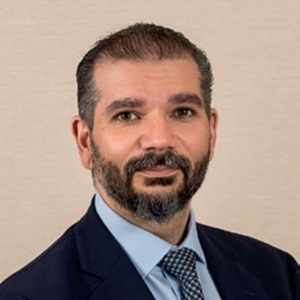
One of the strongest contributions came from Wigmore Medical’s own Raffi Eghiayan, who offered an important perspective from the distributor side of the industry. His section reinforced just how much the role of suppliers and distributors has changed over time. Wigmore Medical, once viewed primarily as a pharmacy and logistics provider, has evolved into something much broader: an education led support system helping clinics navigate training, development and long-term growth.
Raffi spoke openly about how education has always sat at the centre of Wigmore Medical’s approach, from the company’s earliest days supplying aesthetic products through to launching FACE and, more recently, developing Wigmore Presents itself. He also reflected on how parts of the industry gradually became more commercially driven over time and the importance now of re-establishing education as the foundation rather than simply using it as a vehicle for sales.
What also came across clearly from Raffi’s perspective was the idea that aesthetics works best when clinics, educators, suppliers and practitioners see themselves as part of the same ecosystem. The focus was less on transactions and more on long term relationships, shared growth and building the kind of support network that allows practitioners to develop sustainably over time.

Courtney Le Borgne also spoke about the importance of clinicians communicating clearly about where they want to grow and what support they need from industry partners. A recurring theme across the panel was that relationships tend to work best when practitioners stop viewing themselves purely as customers and approach those conversations more collaboratively.
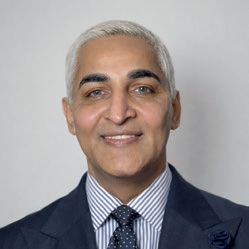
Kamran Shibli brought an equally valuable perspective from the consultancy and business side of the industry, particularly around growth, communication and the importance of aligning expectations early on. Much of his contribution reinforced the idea that frustrations within industry relationships often come down to unclear communication rather than a lack of support.
The audience Q&A reinforced many of the themes raised throughout the session, particularly around burnout, confidence and professional identity. There was a strong sense that many practitioners in the room were navigating the same balancing act between patient care, business growth and personal wellbeing within an industry that is still evolving rapidly.
More than anything, the session reflected the wider feel of Wigmore Presents 2026. Across the weekend, the focus kept returning to education over sales, honest conversations and the sense that everyone has a role to play in raising standards across the industry.