 Added to basket

 Unapplied Changes



























As a girl who grew up in the era of The Only Way Is Essex and Geordie Shore, the odds were never exactly in favour of my Fitzpatrick Type II, pale skin tone, or ‘English rose’ complexion as I prefer to call it.
Bronzed skin, sharp contour and overlined lips were the beauty blueprint of the 2010s. And like so many teenagers growing up in this era, I believed that this was the goal, and that healthy skin meant tanned skin. By age 16, popping into the sunbed shop after sixth form felt almost part of my routine. A quick 10–20 minutes to ‘top up’ the tan before the weekend was the norm for me.
A similar sentiment was always found on holidays with families and friends, trying to convince them that ‘yes, this redness will go brown’, but no, it never really did. Instead what it left me with was soreness for days and sun damage building up beneath the surface.
The truth of it is, Fitzpatrick type II skin (fair skin, that burns easily and tans minimally), naturally produces less melanin, and therefore when the skin turns pink, that’s not the beginning of a golden-goddess tan, it’s skin inflammation and DNA damage starting deep beneath the surface.
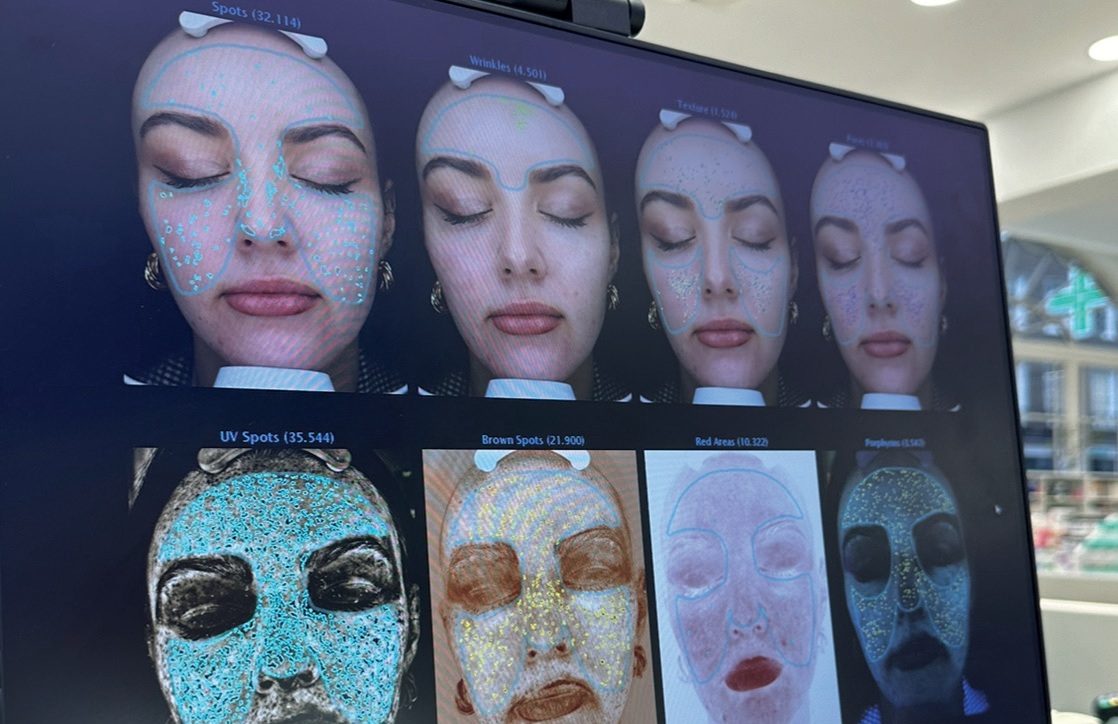
When I was offered the chance to have a VISIA Skin Scan at our Wigmore Pharmacy, I felt equally curious and apprehensive.
The VISIA skin and complexion analysis uses multispectral imaging to analyse what’s happening both on and underneath the skin’s surface to detect UV damage, pigmentation, vascular changes, texture irregularities and bacterial activity—essentially revealing the truth of how I have been treating my skin over the past decade.
The scan identified that UV damage was present across essentially my entire face, with much of it invisible to the naked eye. The most unnerving part is that UV spots and pigmentation can sit quietly under the surface for years before becoming more visible in your 30s and 40s.
Also, sun damage isn’t just about aesthetics. It breaks down collagen, accelerates premature ageing, and increases the risk of skin cancer. Even when the damage isn’t yet visible, it’s there.
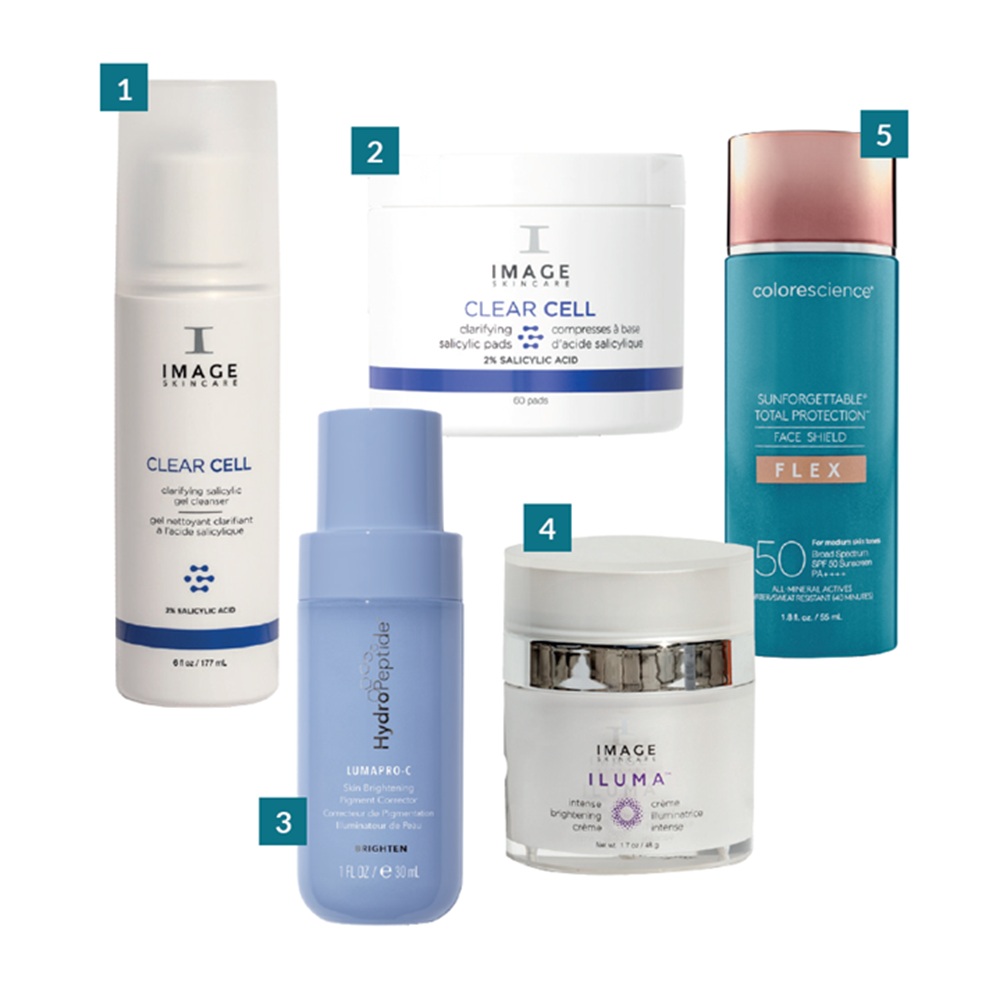
After the scan, Nesha, our Skincare Consultant recommended a routine built around active ingredients that are actually suitable for my skin:
1. Salicylic acid-based cleanser to help manage hormonal breakouts by deeply cleansing the pores and dissolving excess oil.
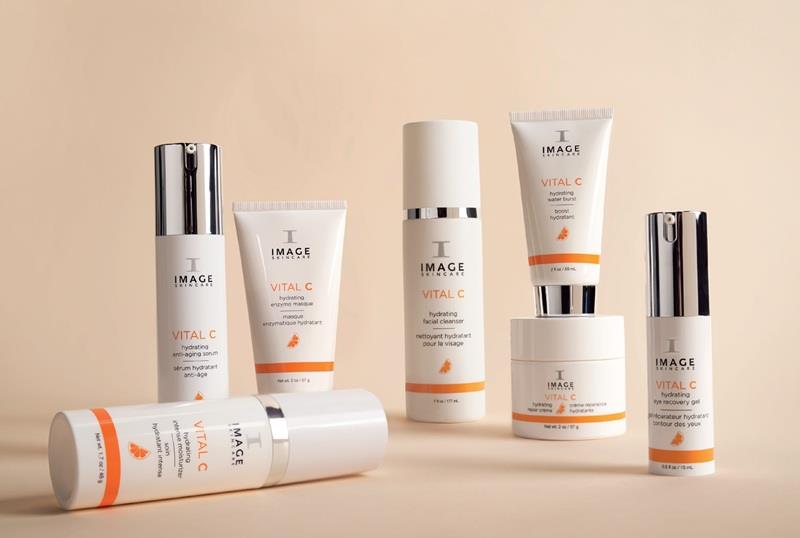
(IMAGE Skincare Clear Cell Salicylic Gel Cleanser)
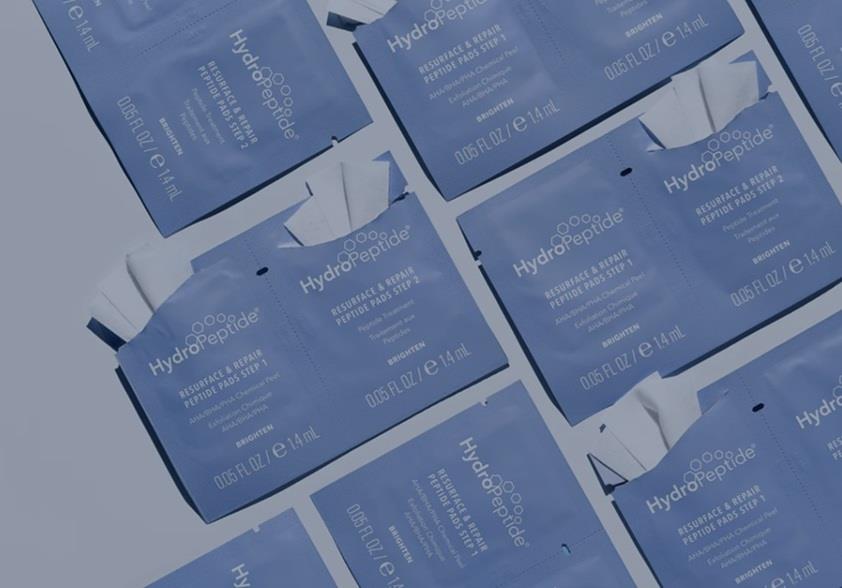
2. AHA/BHA toning pads to improve skin cell turnover and reduce oil production.
(IMAGE Skincare Clear Cell Salicylic Clarifying Pads)
3. Vitamin C serum to brighten pigmentation and help neutralise free radicals caused by UV exposure.
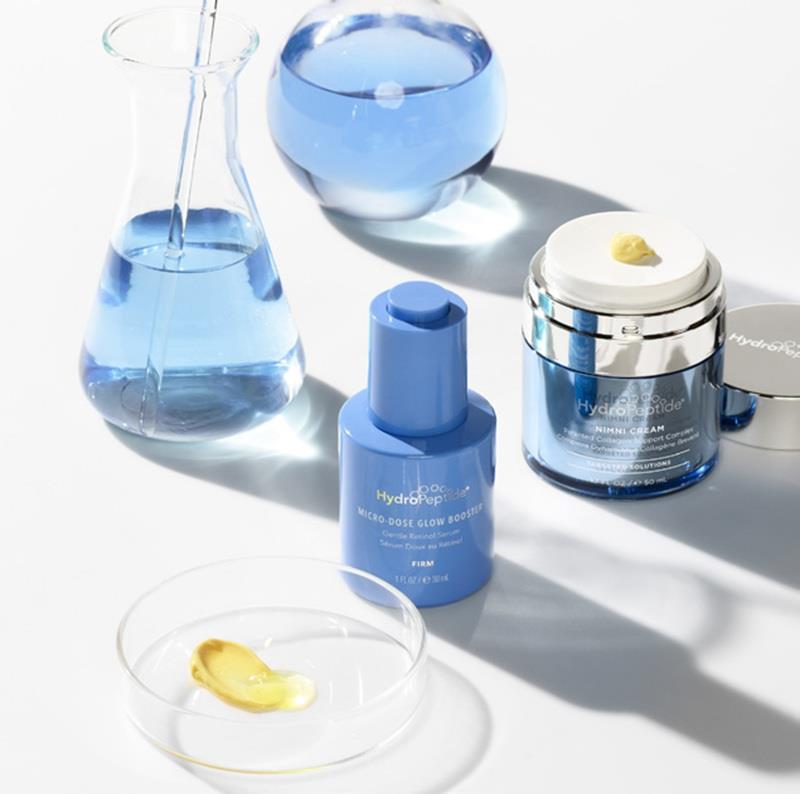
(HydroPeptide LumaPro-C)
4. Twice-daily moisturiser to support barrier repair and minimise the appearance of discolouration with stabilised vitamin C.
(IMAGE Skincare Illuma Intense Brightening Creme)
5. And the crucial last step, daily SPF.
(Colorescience Face Shield Flex SPF 50)
One of the hero ingredients in this line up is vitamin C. This vitamin is more than just a buzzword; it’s an antioxidant that helps to reduce oxidative stress in the skin and can gradually improve the appearance of uneven tone and pigmentation. However, it works best as part of a prevention-first approach, not as a magic eraser for years spent chasing a tan.
So now out goes the sun worshipping and mismatched skin products, and in comes the vitamin C, sunscreen and weekly Thursday night (fake) tan.

Jennifer Lander is the Marketing Communications Lead at Wigmore Medical. Since joining the team in 2021, she has developed a keen interest in skincare and stays up to date with the latest developments in the industry. All products available to order now.
