
 Added to basket

 Are you sure?











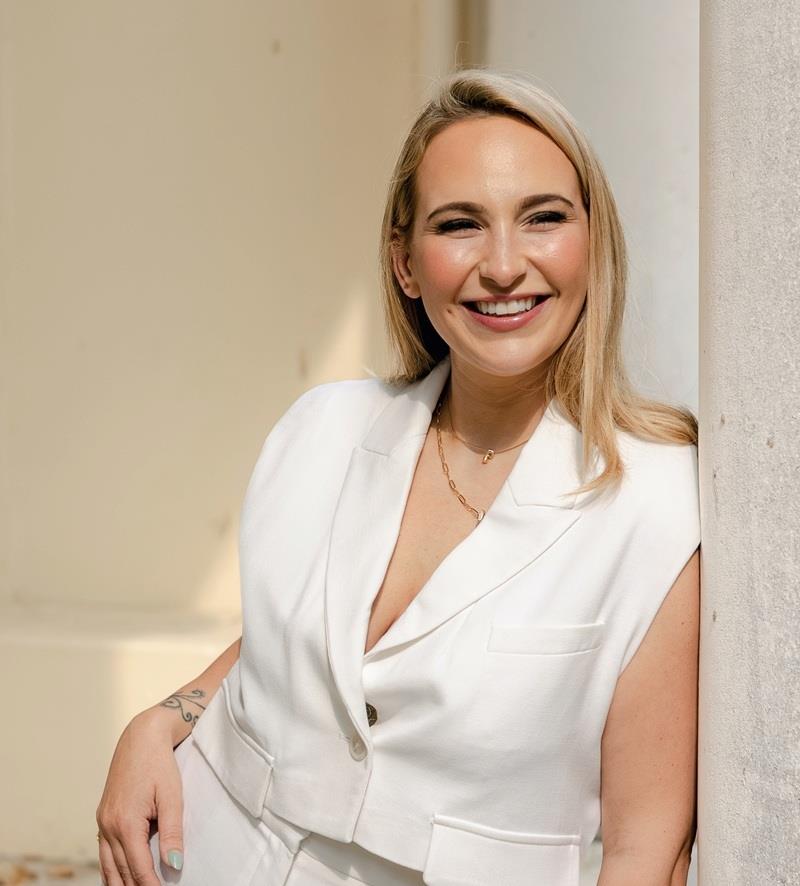




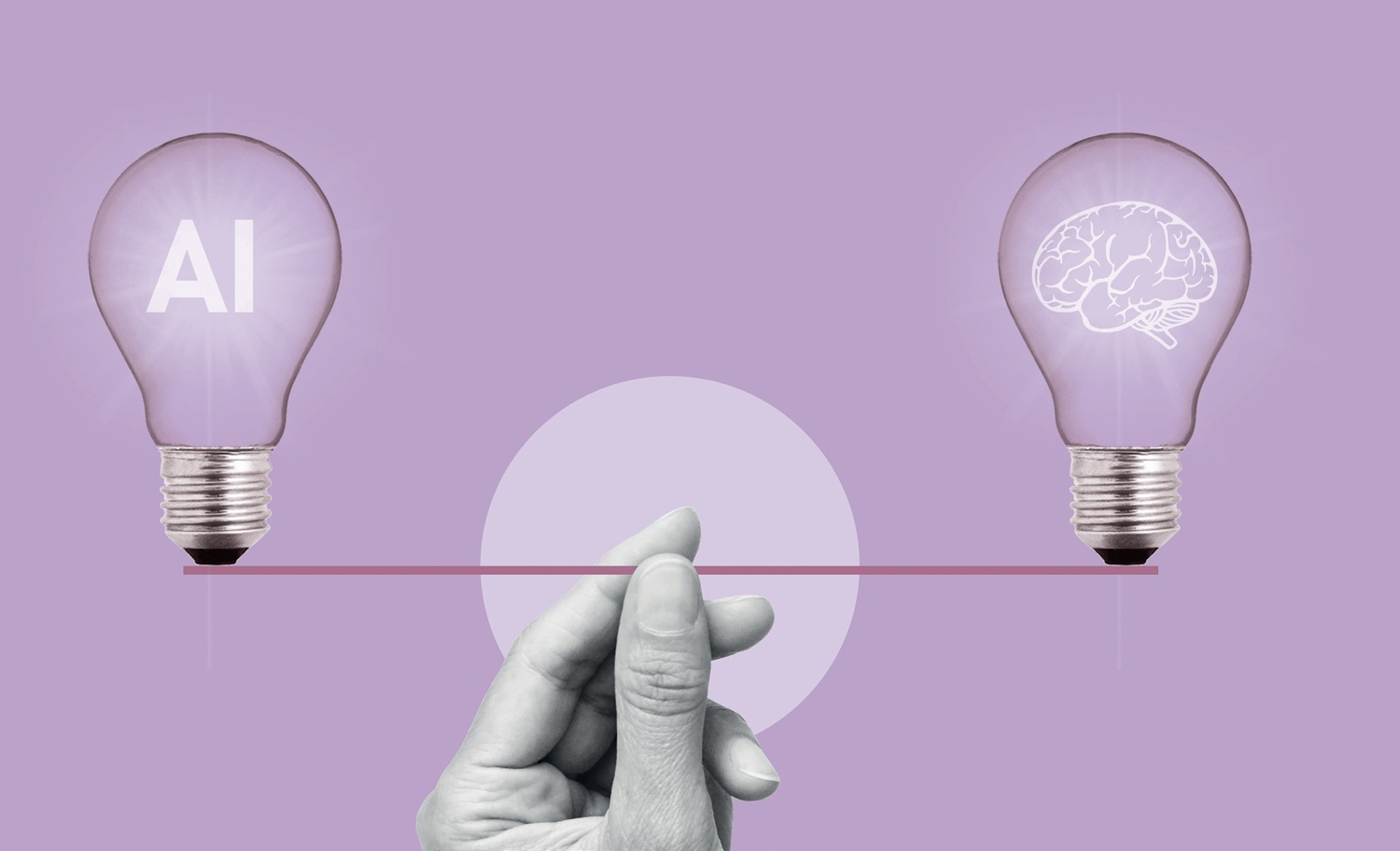
Speaking at Wigmore Presents 2026, branding and communications consultant Katie Emberley explored what this shift means for clinics, not from a technical perspective, but from a branding one.Rather than asking whether AI belongs in aesthetics, she encouraged delegates to think about how they use it and whether, in the process, they are beginning to lose some of what makes their clinic unique.
Early in the session, Katie reflected on a pattern she’d begun noticing across the industry. More clinics were producing content that looked and sounded almost identical. Marketing posts followed the same format, websites used similar language and even ‘About Us’ pages often opened with the same carefully constructed introductions.
As she put it, “If your content sounds like everyone else, it isn’t promoting you, it’s concealing who you are.” It became one of the defining ideas of the session.
Katie described this growing trend as ‘AI washing’. Rather than helping businesses communicate more effectively, AI can gradually smooth away the individuality that patients connect with. Clinics become polished and professional, but increasingly difficult to distinguish from one another. In aesthetics, that’s an important consideration.
Patients are choosing far more than a treatment. They are choosing the person delivering it. They want to understand a practitioner’s approach, their experience and the values that sit behind the clinic. Those qualities aren’t easy to communicate if every website and every social post begin to sound the same.
Importantly, Katie was not arguing against AI. Throughout the presentation she acknowledged the enormous value it can bring, particularly for independent clinics balancing patient care with the demands of running a business.
Administrative tasks, research, planning content and organising information were all examples of where AI can save considerable amounts of time. Used well, it allows practitioners to spend less time behind a computer and more time focusing on patients.
The distinction, she suggested, is knowing where to draw the line.
“Use AI as a tool to save you time, not as a strategy.” That philosophy ran through much of the discussion.
Rather than asking AI to define a clinic’s personality or values, Katie encouraged delegates to use it to support the work they are already doing. The technology can make businesses more efficient, but it shouldn’t become the voice of the business itself.
Another interesting part of the session focused on what Katie described as ‘outsourcing thinking’. She referenced research suggesting that when we rely on technology to generate ideas, we’re less likely to remember or truly engage with the result than if we’d developed those ideas ourselves.
She illustrated the point with an example from her own work. Developing brand straplines had traditionally been a process that took days, allowing ideas to evolve before being presented to clients. Using AI, she was able to generate dozens of options within minutes.
The results were not necessarily bad, but what surprised her was how little connection she felt to them afterwards. She could still remember straplines she’d written years earlier, but not the ones AI had produced that morning. The process of creating them had disappeared, and with it some of the ownership that comes from developing an idea yourself.
Katie suggested the same principle applies within clinic teams. The strongest brands are not created by one person writing a document and everyone else following it. They grow through conversation, collaboration and a shared understanding of what the clinic stands for. AI can support that process, but it can’t replace it.
The conversation also looked at practical ways clinics can embrace AI without losing their identity. Lead generation, patient enquiries and administrative support were all highlighted as areas where technology can genuinely improve efficiency. Rather than replacing the practitioner, AI can remove some of the repetitive tasks that take time away from patient care.
Katie summed up that relationship with a simple analogy. “AI should be a part of your car. It shouldn’t be the driver. You are the driver of your vehicle. You are the driver of your clinic.”
Towards the end of the session, the discussion turned to a challenge many practitioners are already beginning to encounter in clinic.
Patients are increasingly arriving with AI-generated versions of themselves and asking for treatments that recreate those images. While technology can visualise possibilities, it can also create expectations that aren’t realistic.
For Katie, this reinforced the importance of authentic communication. Honest photography, realistic treatment outcomes and clear conversations all play an important role in helping patients understand what aesthetic medicine can, and cannot, achieve.
Perhaps the most reassuring aspect of the session was Katie’s acknowledgement that nobody has completely worked AI out yet. The technology is evolving rapidly and there is no expectation that clinics should adopt every new tool that appears.
Instead, the emphasis remained on being selective. Use AI where it genuinely adds value. Allow it to save time and improve efficiency but continue to invest in the things technology cannot replicate.
As Katie reminded delegates in her closing remarks, “We can’t afford for you to lose who you are, what makes you brilliant, what makes you unique.”
That sentiment perhaps captured the wider mood of the session. AI will certainly become an important part of modern practice, but the clinics that stand out are unlikely to be the ones using it the most. They’ll be the ones that continue to communicate with clarity, authenticity and a voice that is truly their own.
Katie Emberley is the former Director of Aesthetics for The DD Group and medFx. Katie is now a consultant in both the corporate sector and aesthetic industries.