 Added to basket

 Are you sure?


















As autumn arrives and daylight hours begin to shorten, many people start spending less time outdoors and receiving less exposure to sunlight. While the changing seasons bring cosy evenings and colourful landscapes, they can also create challenges for maintaining adequate vitamin D levels.
Often referred to as the ‘sunshine vitamin’, vitamin D is produced naturally by the skin when exposed to sunlight. However, during the autumn and winter months, sunlight levels can be insufficient for many people to produce enough vitamin D through natural exposure alone.
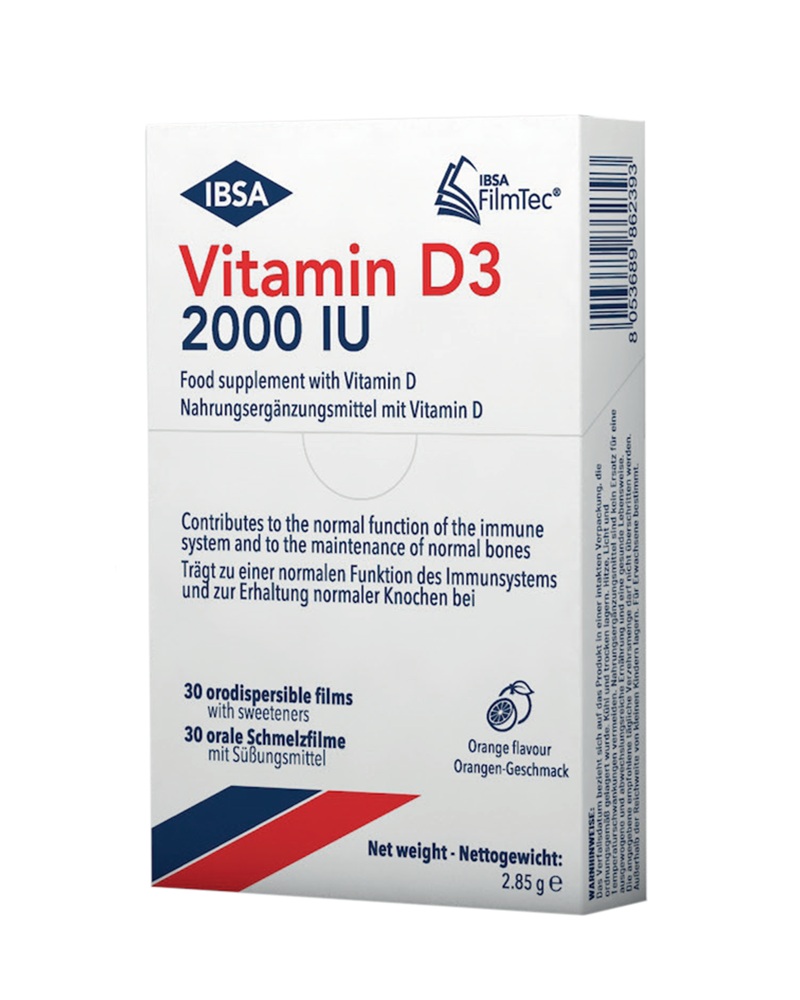
Vitamin D contributes to the normal function of the immune system, helps maintain normal bones and muscle function, and supports the absorption and utilisation of calcium and phosphorus. Maintaining sufficient levels is therefore an important consideration for overall health and wellbeing throughout the year.
As sunlight exposure reduces, it becomes increasingly important to consider how vitamin D can be obtained through diet and, where appropriate, supplementation. Government advice is that everyone should consider taking a daily vitamin D supplement during the autumn and winter.
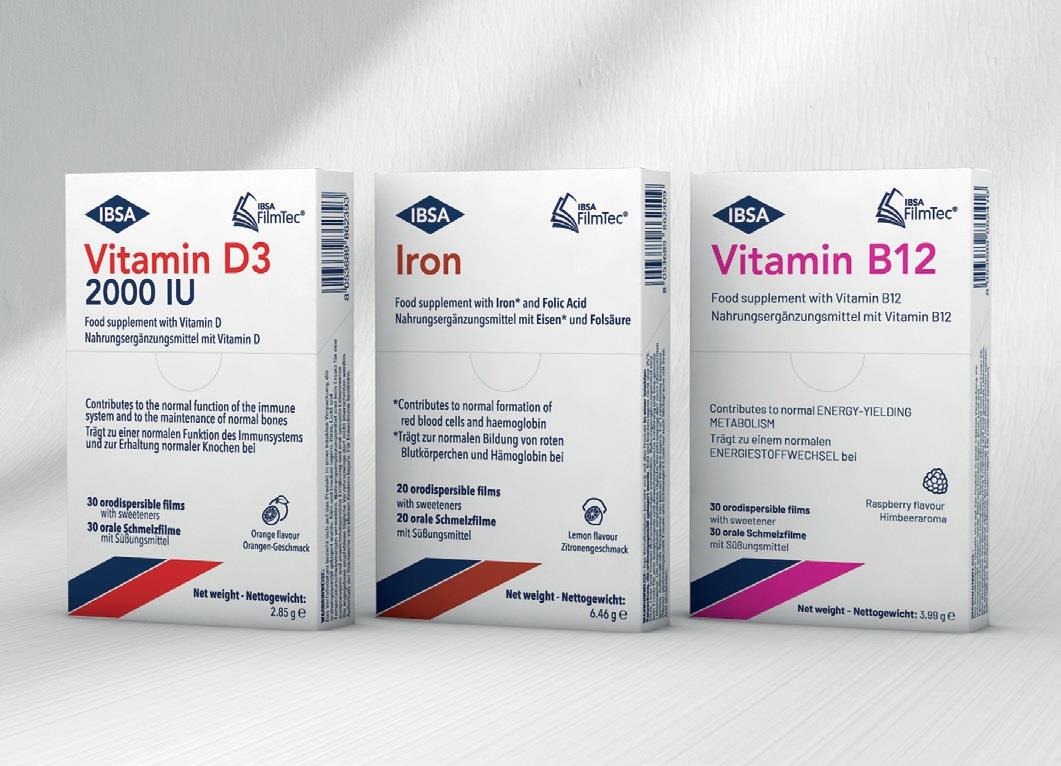
For those who choose to supplement, convenience plays an important part in maintaining consistency. IBSA Vitamin D3 Orodispersible Film offers a simple alternative to conventional tablets. Using patented FilmTec technology, each film dissolves rapidly on the tongue without water and provides a precise daily dose. Its portable format means it can be taken anytime, anywhere, making it easier to incorporate into everyday routines during the colder months.
As the seasons change, maintaining healthy habits remains important. Whether through diet, outdoor activity when possible or appropriate supplementation, taking a proactive approach to wellbeing can help support health throughout autumn and beyond.
To purchase log into your Wigmore Medical Account