 Added to basket

 Are you sure?





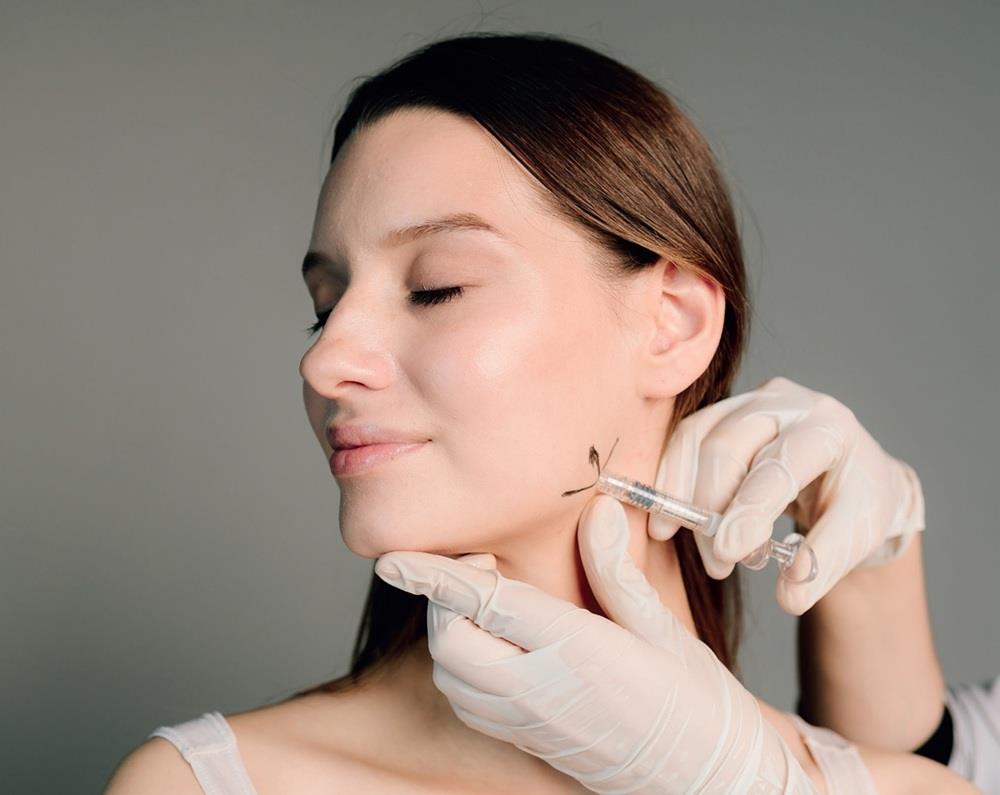






Dermaroller Trainer Faye Aston speaks with Independent Aesthetic Nurse Adeyinka Aroyewun about microneedling, going beyond needle depth and treatment settings, to consider the whole safety system around the procedure: the device, infection prevention, documentation, traceability, aftercare and treatment consistency
FAYE ASKS ADEYINKA
What regulatory changes are being proposed for aesthetic clinics in England, and how should microneedling practitioners prepare?
My experience taught me to prepare before an inspection: safe practice must be demonstrated, not just explained.
Practitioners should review qualifications, insurance, protocols, consent, records, infection control, aftercare and adverse-event procedures. Check your local authority’s current requirements, byelaws and guidance, as these can vary.
Keep written procedures and supporting evidence readily available.
Why should clinics look more closely at the microneedling device they choose?
My first inspection taught me to look beyond regulatory markings and disposable cartridges. I now check the manufacturer, cartridge compatibility, sterilisation, traceability, cleaning and storage instructions, and evidence supporting safety and performance.
Device choice is about patient protection and controlled, consistent treatment. Verify its medical-device status and applicable regulatory compliance; a logo alone is not enough.
Why is anti-flowback protection important, and what did your council inspection teach you?
My first environmental health inspection was a real learning experience. I was using a microneedling device from another manufacturer, not Dermaroller. Although it had a disposable cartridge, the inspector asked whether blood or fluid could reach reusable handpiece components and what evidence demonstrated that this risk was controlled.
The inspection also covered cleaning, disinfection, storage and manufacturer guidance. I could demonstrate sterile technique and treatment preparation, but some supporting documentation was not readily available.
I now discuss aftercare during informed consent, repeat it after treatment and provide written guidance electronically, including how to contact me with concerns. I also record cartridge batch numbers and expiry dates, treatment settings and relevant sterile or single-use products, and review the patient’s skin response at each appointment.
The biggest lesson was that good clinical practice must be supported by a clear, documented system.
What has this experience taught you about needle and cartridge design?
I now look beyond needle count, depth and speed to needle quality, geometry and spacing, consistent insertion and retraction, depth control and contamination protection. More needles do not automatically mean a better cartridge; the engineering and evidence matter.
With Fitzpatrick skin type VI, I am particularly mindful of post-inflammatory hyperpigmentation, making controlled treatment, appropriate patient selection, minimising unnecessary trauma and careful aftercare essential.
I have used Dermaroller’s eDermastamp clinically for several years. I have trained on the XCellarisPro Twist but have not yet used it clinically.
PRACTITIONER TAKEAWAY
What you should ask before choosing a microneedling device
Who is the manufacturer?
Is the cartridge intended for that device?
How is it sterilised and traced?
What evidence supports anti-flowback protection?
How should the handpiece be cleaned, disinfected and stored?
How is depth controlled?
What maintenance, training and technical support are available?
Could I produce the supporting evidence if an inspector asked me tomorrow?
Have I audited my own infectioncontrol process and identified gaps?
ADEYINKA ASKS FAYE
As a manufacturer, how does Dermaroller maintain quality control across the device and its cartridges?
Quality control begins before a finished device reaches a clinic. It includes defined product specifications, control of suppliers and components, checks during manufacturing, final product release and traceability through batch or lot records. For sterile single-use components, the relevant sterilisation process and packaging integrity also need to be validated and monitored.
Our responsibility continues after supply. Feedback, complaints and reportable incidents must be assessed through the post-market surveillance and vigilance processes. This helps the manufacturer identify trends, investigate potential risks and take corrective action. It also gives clinics a clear route for raising a concern.
How do the eDermastamp and XCellarisPro Twist approach crosscontamination risk, and what will the new barrier sleeve add?
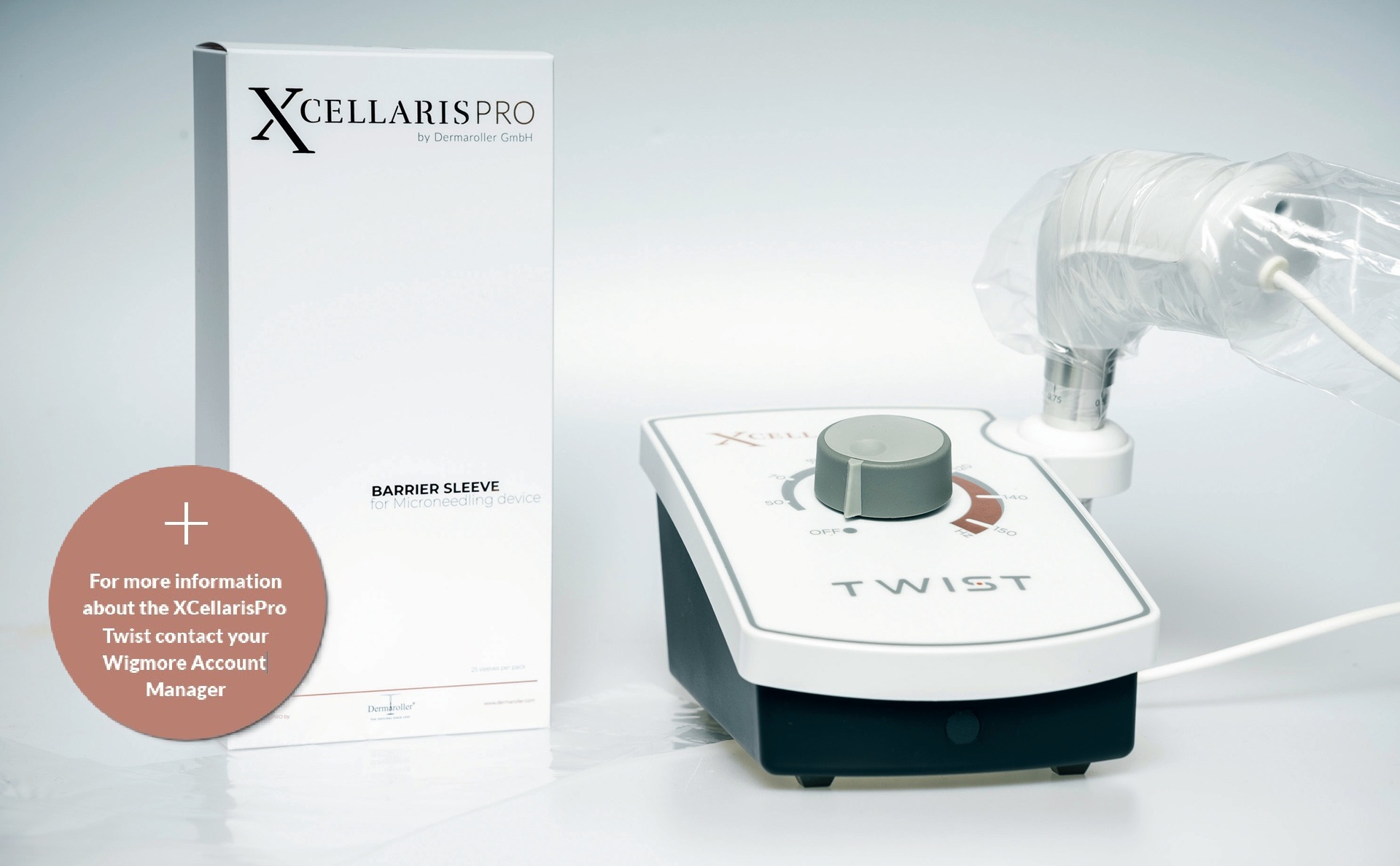
The eDermastamp and XCellarisPro Twist use single-use cartridges with an anti-flowback design to help limit fluid reaching the reusable handpiece. Our forthcoming single-use Twist barrier sleeve adds another layer of protection against cross-contamination, alongside hand hygiene, PPE and cleaning and disinfection in accordance with the instructions for use.
Why did Dermaroller choose the needle configurations for the eDermastamp and XCellarisPro Twist, and how do needle design, motor performance and retrieval support safe, controlled treatment?
We focus on how the needles, cartridge and motor work together. Needle spacing and precision-ground geometry are important to controlled tissue interaction, while adjustable motor speed helps practitioners tailor treatment. The XCellarisPro Twist uses six needles and features active needle retrieval, actively controlling their withdrawal as well as insertion. Safe treatment also depends on appropriate settings, sterile single-use cartridges and practitioner technique, which we support through training and ongoing technical guidance.
Safe treatment also depends on appropriate settings, sterile single-use cartridges and practitioner technique...
ADEYINKA CLOSING THOUGHT
My inspection changed the way I think about microneedling. I no longer look only at whether a device can perform the treatment. I want to understand how it has been engineered, how its safety and performance claims are supported, how the treatment can be traced, and whether the whole process supports both patient safety and a good treatment outcome.

Adeyinka Aroyewun is an independent nurse with a longstanding interest in skin health, microneedling and personalised care.