 Added to basket

 Are you sure?













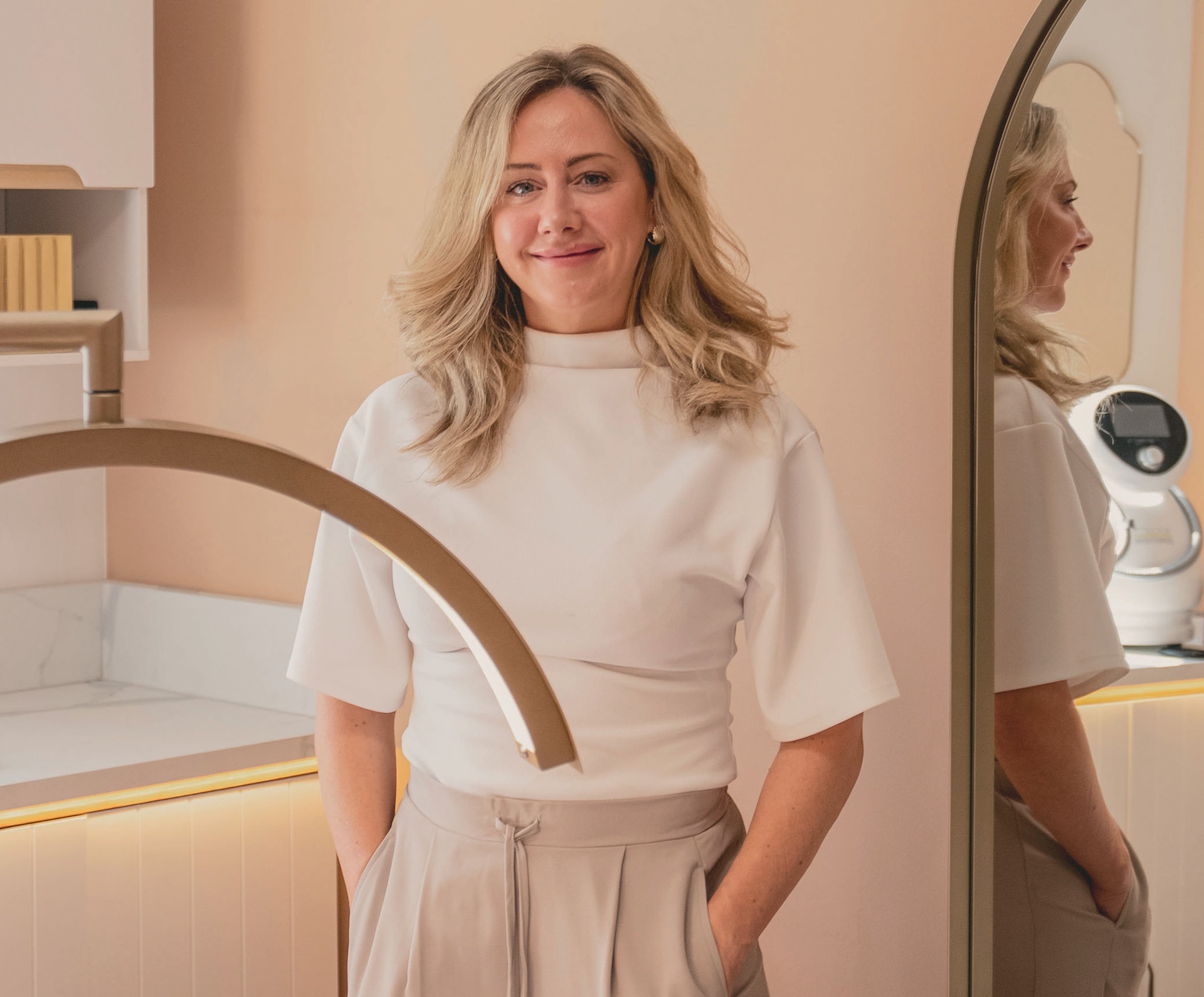
What’s your favourite aesthetic treatment to perform and why?
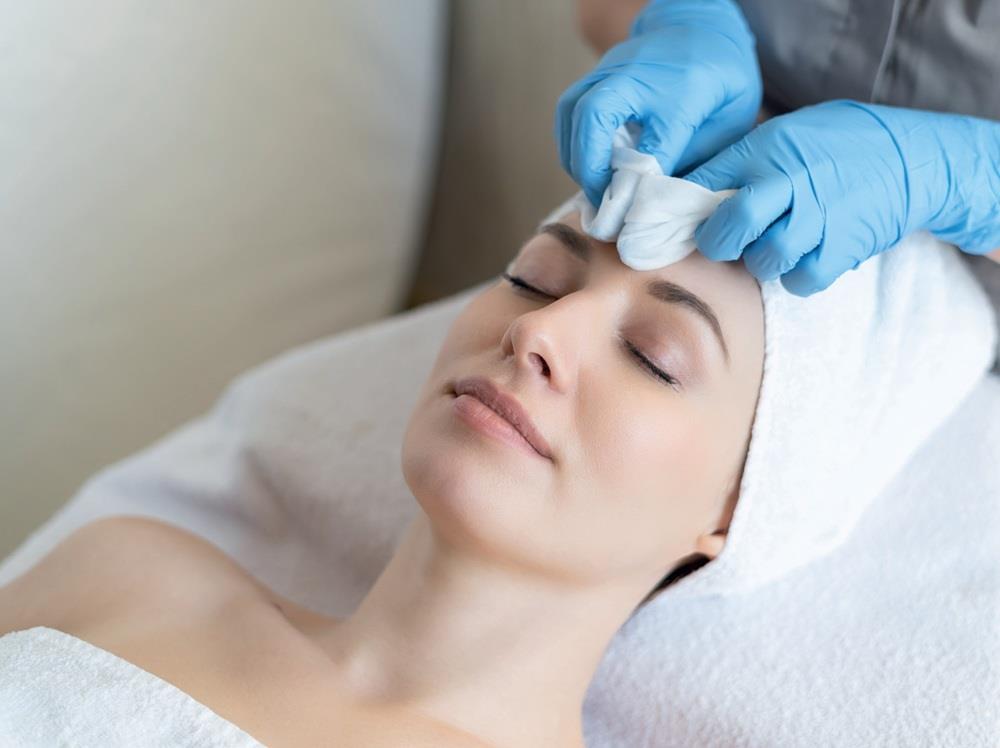
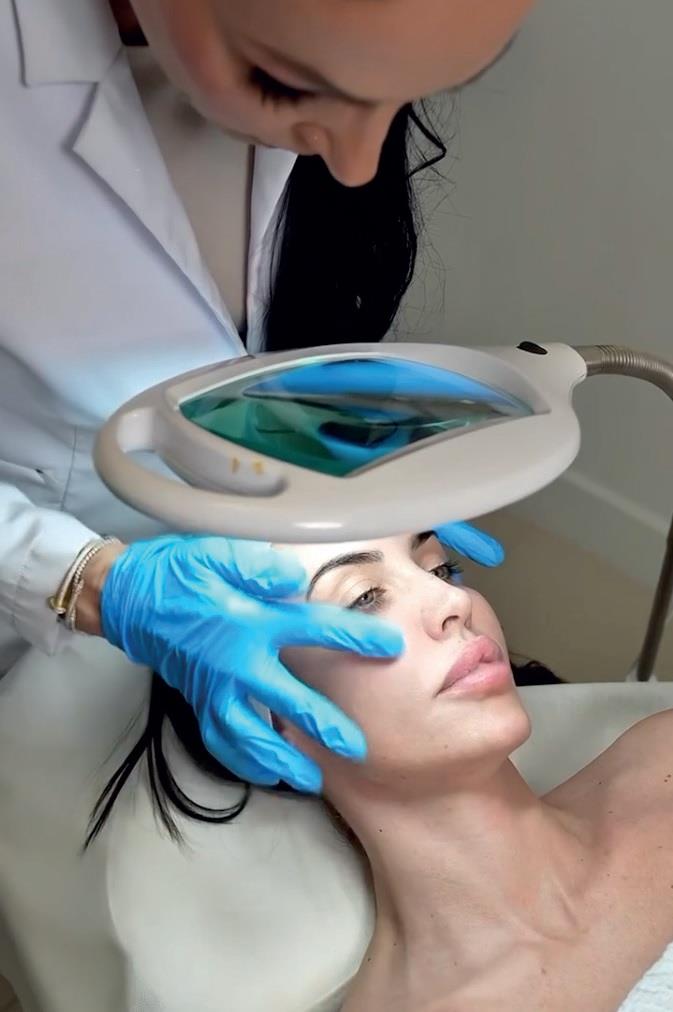
I’d probably say microneedling. I love treatments that work with the skin’s own biology rather than trying to change how somebody looks. It allows me to stimulate the skin’s natural repair processes and support collagen production, while tailoring the treatment very specifically to the individual.
For me, aesthetics has always been about skin health first. After 14 years working with skin, I’ve learned that some of the best results are the ones where somebody simply looks incredibly well, rather than obviously ‘treated’.
What is your signature approach when it comes to treating your patients?
My approach is very much individual rather than protocol-led. I spend a lot of time understanding the person in front of me— their skin, lifestyle, concerns, expectations and what they realistically want to achieve.
I combine a science-led approach with a more holistic understanding of skin. I’m interested in barrier health, inflammation, ageing, hormones, lifestyle and overall wellbeing rather than looking at one concern in isolation.
I’m also a great believer in not overtreating. Sometimes the most valuable thing I can do is simplify somebody’s routine, restore their skin barrier and create a considered plan that we can build on over time.
Why do you use HydroPeptide products?
I’ve worked with HydroPeptide for many years, and what initially attracted me was that it manages to combine a luxurious client experience with genuinely intelligent, results-driven formulations.
I’m particularly interested in formulation science—not simply whether a product contains a fashionable active, but how ingredients are combined and work together within the skin.
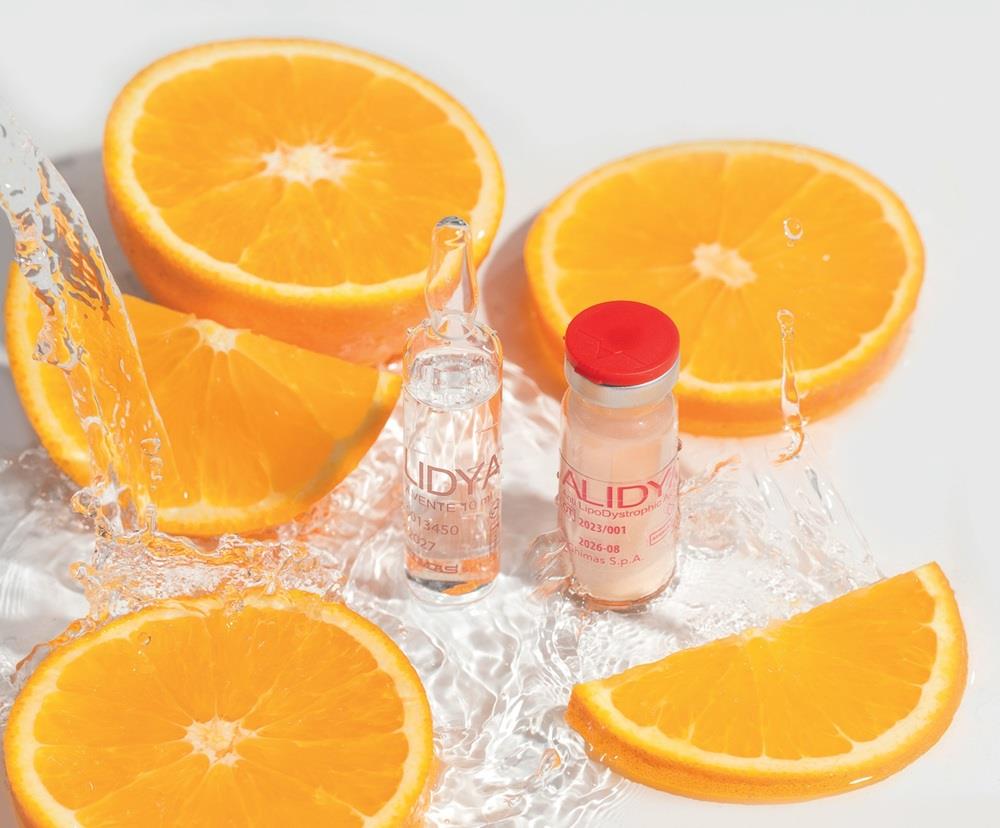
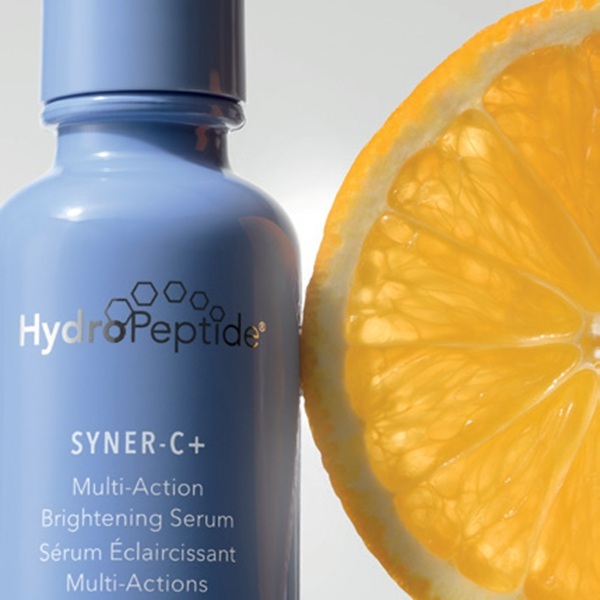
Their new Syner-C+ serum is a great example. I was really impressed by the formulation and the science behind it, particularly in relation to pigmentation and overall skin health. I’ve introduced it to several clients already and I’m seeing some really significant improvements in hyperpigmentation, which has been incredibly encouraging.
Ultimately, that’s what I want from professional skincare: good science that translates into visible changes in real skin.
Who does the range best suit and why?
One of the things I like about HydroPeptide is that it isn’t confined to one age group or skin type. I can work with younger clients through to clients experiencing more advanced signs of ageing, pigmentation, dehydration or sensitivity. It particularly suits clients who want effective, results-driven skincare without having an unnecessarily complicated routine.
Skin is constantly changing. Hormones, age, environment, stress and lifestyle can all influence it, so I want a range that allows me to adapt a prescription rather than putting everybody onto the same regime.
Which are your must-have products and why?
Nimni Cream (renamed Collage ReActivate) has been a longstanding favourite of mine, particularly when I’m looking at ageing skin and collagen support, and Syner-C+ serum is very quickly becoming another.
Vitamin C itself certainly isn’t new, so for a new vitamin C serum to genuinely interest me, the formulation has to offer something beyond simply putting ‘vitamin C’ on the label. That’s what impressed me with Syner-C+.
More importantly, I’m already seeing noticeable changes in clients using it, particularly with uneven pigmentation and overall skin clarity. As a practitioner, those real-world results are ultimately what make me continue recommending something.
Beyond individual hero products, my essentials are always built around the fundamentals—appropriate antioxidants, hydration, barrier support and daily SPF—and then I personalise from there.
Do you use HydroPeptide personally? Which products?
Yes, absolutely. I think it’s really important that I understand the products I recommend beyond simply knowing their ingredient lists.
Nimni Cream is one I particularly love, and I use different HydroPeptide products depending on what my own skin needs at the time.
Using products myself also gives me a much better understanding of the client experience—the texture, how they layer, how they feel on the skin and, importantly, how realistic they are to incorporate into everyday life. Consistency is such an important part of skincare.
How does HydroPeptide complement the aesthetic treatments you offer?
For me, homecare and treatment should never exist separately. A client may spend an hour with me every four or six weeks, but they are influencing their skin every single day at home.
I use professional treatments to create controlled change and stimulation, and then carefully select homecare that supports the skin and helps maintain and build upon those results
between appointments.
That’s particularly important alongside treatments such as microneedling, peels, radiofrequency and other collagen focused treatments. It means we’re not simply carrying out a series of isolated procedures; we’re creating a long-term strategy for that person’s skin.
What do you enjoy most about working in aesthetics?
The relationships, without question. I love skin and I’m fascinated by the science behind it, but after 14 years it’s the people who have made this career what it is for me. You become part of people’s lives.
Clients initially walk through the door because of their skin, but over the years you hear about their families, careers, marriages, babies, difficult periods and wonderful ones.
There’s something very special about creating a space where somebody can have an hour that is entirely about them, while also helping them feel more confident in their skin. That combination of human connection and science is what still makes me love what I do.
What are the future plans for you and your practice?
It’s actually a really exciting time for me because I’ve recently relocated my clinic to South Milton in South Devon, between Kingsbridge and Salcombe.
I’m developing the practice around the type of work I really want to be known for: highly personalised, science-led skin health within a private, calm environment.
Education is also becoming increasingly important to me. After 14 years in the industry, I’d like to share more of what I’ve learned—not just about treatments and skin, but consultation, client experience and creating a practice where people genuinely feel cared for.
I want the business to grow, but very intentionally. I never want growth to come at the expense of the personal experience that has always been at the heart of my clinic.
"Skin is constantly changing. Hormones, age, environment, stress and lifestyle can all influence it, so I want a range that allows me to adapt...
How does working with Wigmore complement your business, and why?
For an independent practitioner, having suppliers you genuinely trust is incredibly important..
Working with Wigmore gives me access not only to professional products and treatments, but also to education and a wider professional community. I value working with a company that understands the clinical side of aesthetics and the importance of practitioner education.
Ultimately, my clients trust me to make informed decisions on their behalf, so I need to have that same confidence in the companies and brands I choose to work with. That professional relationship, consistency and shared focus on quality are incredibly valuable to my business.
What do you think are the industry trends to watch?
I think we’re moving towards a much more regenerative, skin-first approach to aesthetics, which I’m really pleased to see.
There’s increasing interest in treatments that support collagen, cellular function and overall skin quality rather than simply altering features. I think we’ll continue to see developments in regenerative technologies, microneedling, energy based treatments and increasingly sophisticated skincare formulations.
Even with established ingredients such as vitamin C, we’re becoming much smarter about formulation and how ingredients work together. HydroPeptide’s new Syner-C is a good example of that. Innovation doesn’t always have to mean discovering the next new ingredient; sometimes it’s about finding a more intelligent way of using ingredients that we already know can benefit the skin.
Clients are also much more educated now. They want to know why something works, not simply be told that it does. That means practitioners have a responsibility to critically assess new treatments, products and trends rather than jumping onto everything new that appears.
For me, the future is less but better—intelligent combinations, evidence-led treatment plans and preserving individuality.
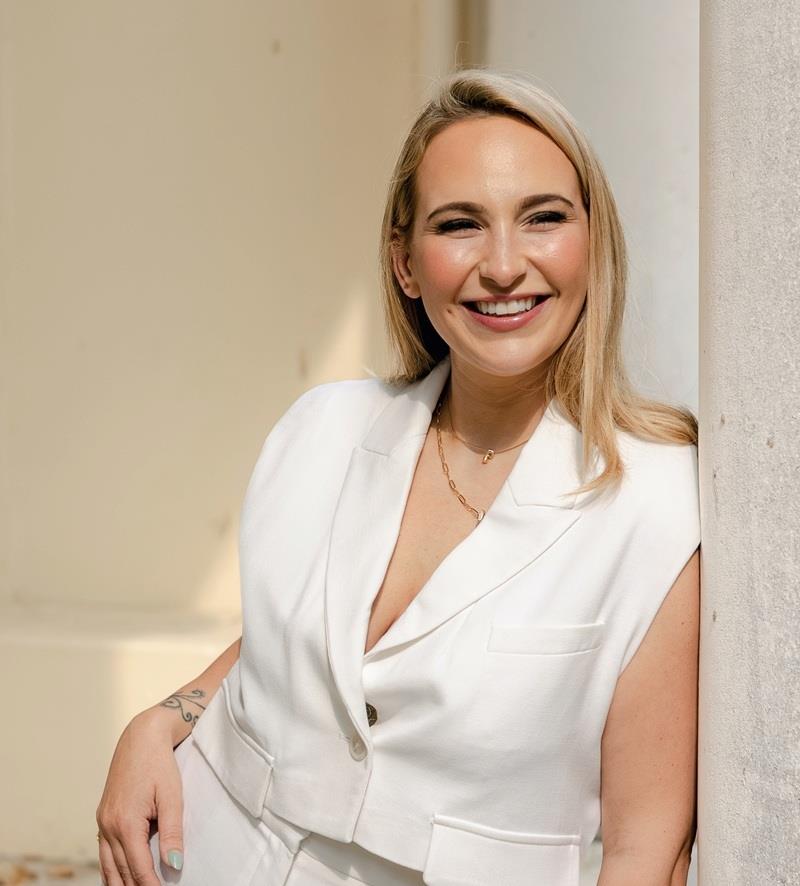
Alison Miller is an experienced level 4 VTCT skin specialist and founder of Alison Miller Skincare & Aesthetics, with 14 years’ experience working professionally with skin. Alison has built her practice around a highly personalised, science-led approach to skin health, combining advanced skin treatments with an understanding of the wider factors that influence how skin looks, feels and functions.