 Added to basket

 Unapplied Changes







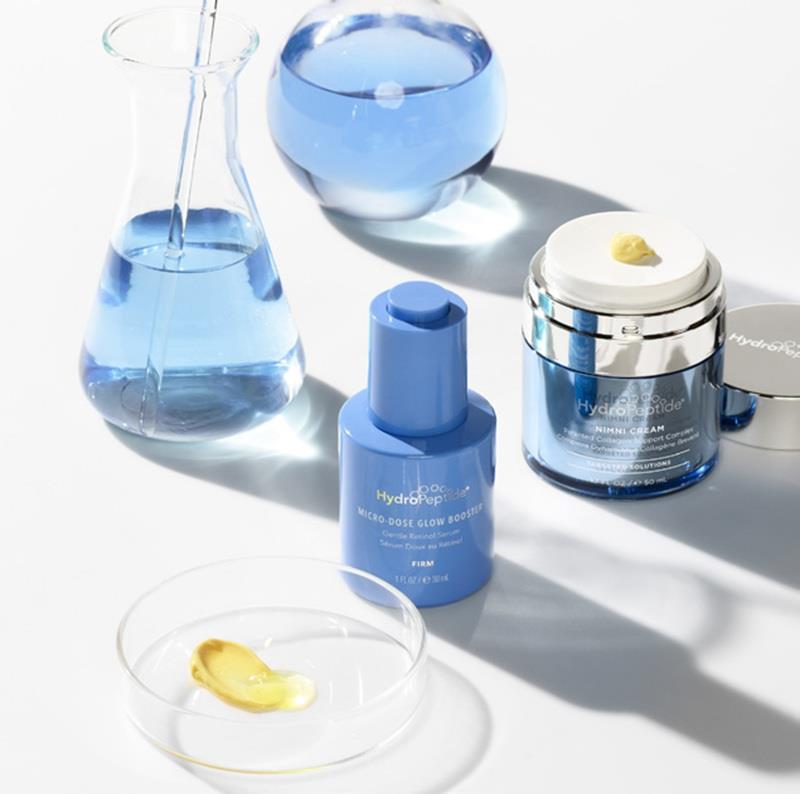

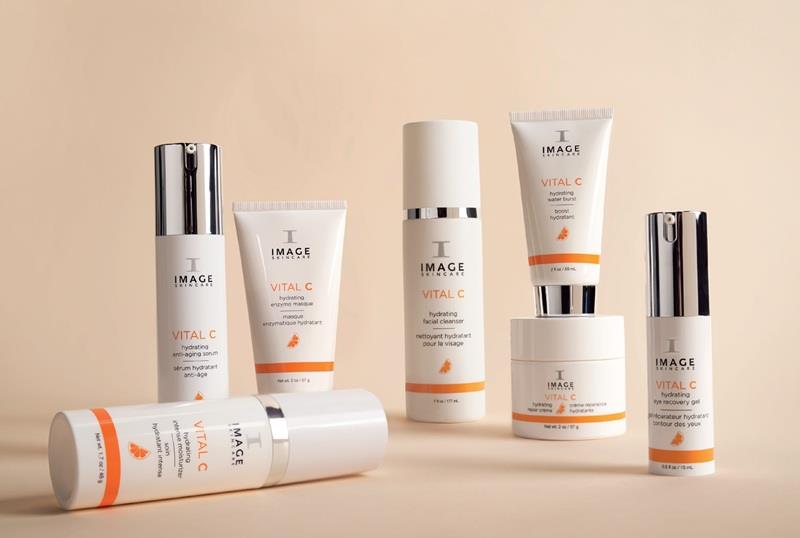
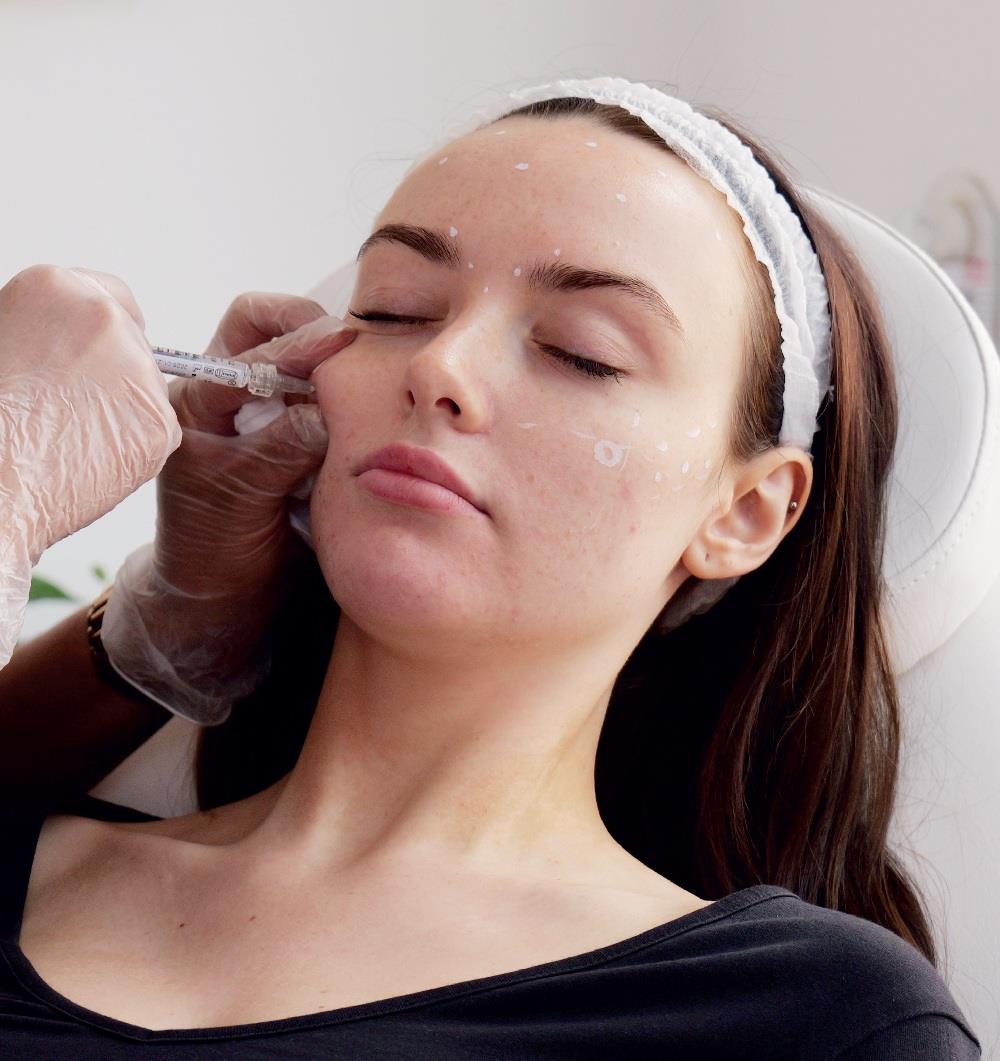
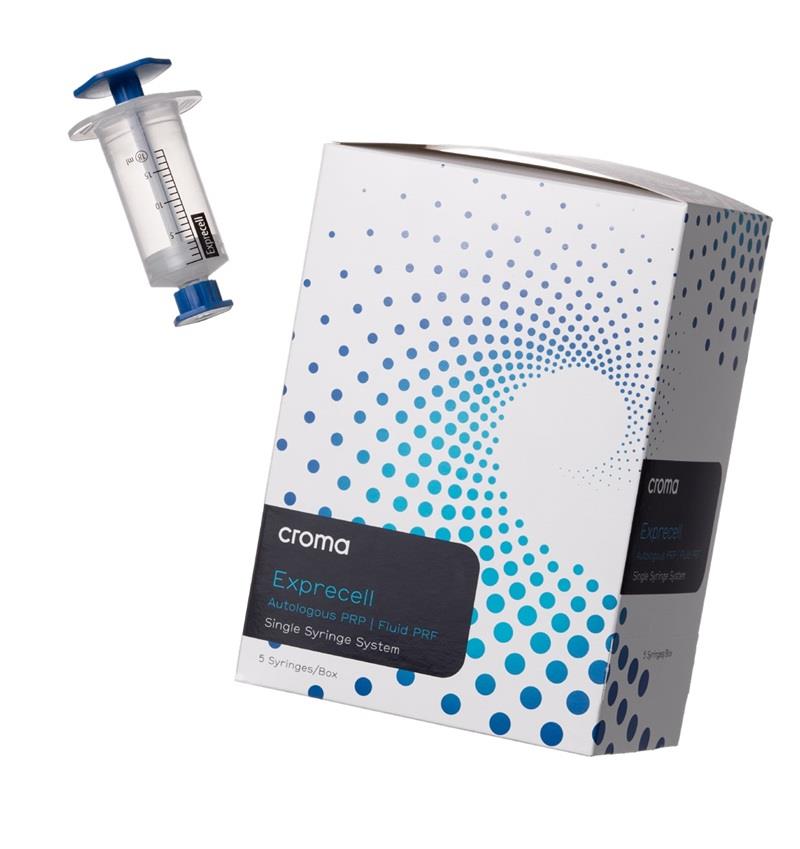




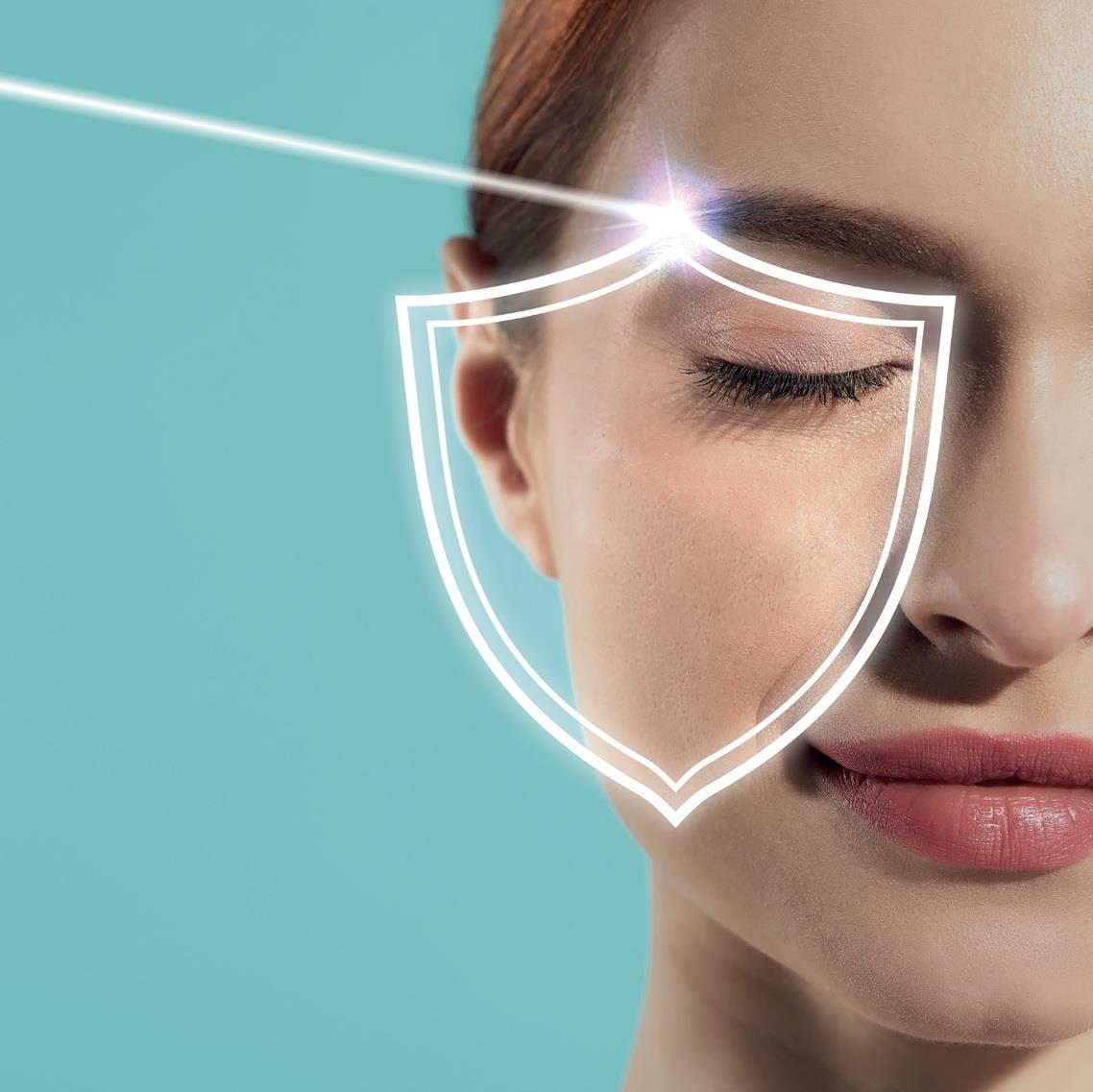



Skincare for pre-and post-procedure is a critical — and often overlooked — aspect of maximising treatment outcomes and minimising recovery time. Topical skincare should work in tandem with clinic treatments to ensure optimal skin health.
Pre-procedure skincare
The main goal with pre-procedure skincare is to prep the skin for minimising cutaneous injury that procedures such as microneedling, fractional laser resurfacing, IPL, RF tightening, chemical peels, and ultrasound-based treatments rely on to stimulate regeneration. Therefore, in the immediate pre-treatment period, caring for the skin barrier creates optimal conditions for clinical skin treatments, reducing baseline inflammation and improving tolerance to procedures.
Longer-term preparation:
In the weeks leading up to treatment, incorporating peptides and targeted actives like gentle retinoids that promote cellular communication and dermal matrix renewal can enhance fibroblast responsiveness and improve overall procedural outcomes. Cellular signalling at a dermal level can be improved to enhance procedure response. Priming for skin injury using evidenced-based formulations can help with baseline inflammation, increase fibroblast responsiveness to avoid treatment injury.
Post-procedure skincare
Post-procedure is all about accelerated healing and reducing scar formation. Clinical trials for CO₂ laser, for example, showed a reduction in transepidermal water loss (TEWL) with the use of facial serum before and after treatment. Using gentle, non-irritating, and barrier-supportive formulations will help healing. In addition, patients should be cognisant of post-inflammatory hyperpigmentation by staying vigilant in broad-spectrum sunscreen use and daily antioxidant application.
In the immediate post-treatment period, the focus should be on calming inflammation, restoring hydration, and protecting the skin barrier. Formulations should be soothing and occlusive enough to reduce TEWL while maintaining a clean environment for re-epithelialisation.
In the longer-term recovery phase, once barrier function is re-established, emphasis can shift toward stimulating dermal repair and preventing dyschromia. This includes the gradual reintroduction of actives that support collagen synthesis and antioxidant defence, alongside consistent broad-spectrum sunscreen and daily antioxidant use to minimise post-inflammatory hyperpigmentation and support optimal procedural outcomes.
Active skincare needn’t be paused entirely post-procedure, but greater consideration must be taken to ensure skin healing is prioritised and actives aren’t compromising skin health.
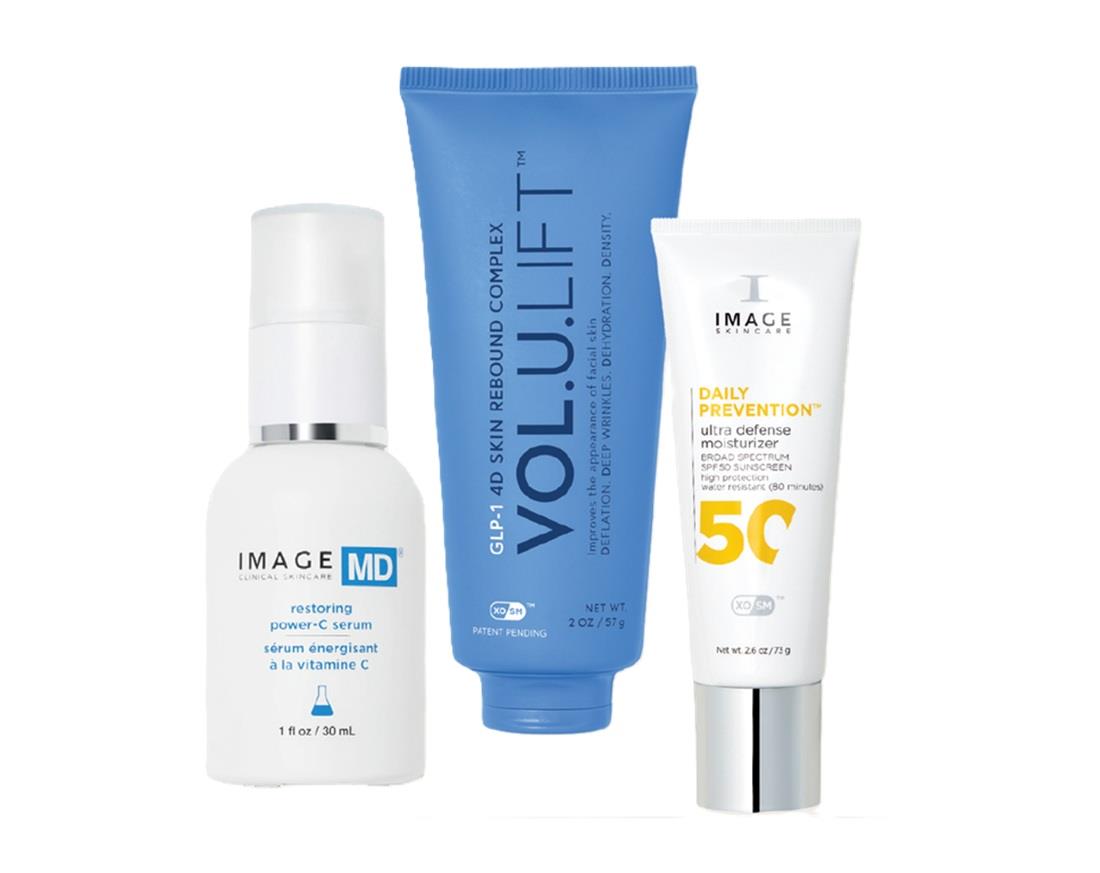
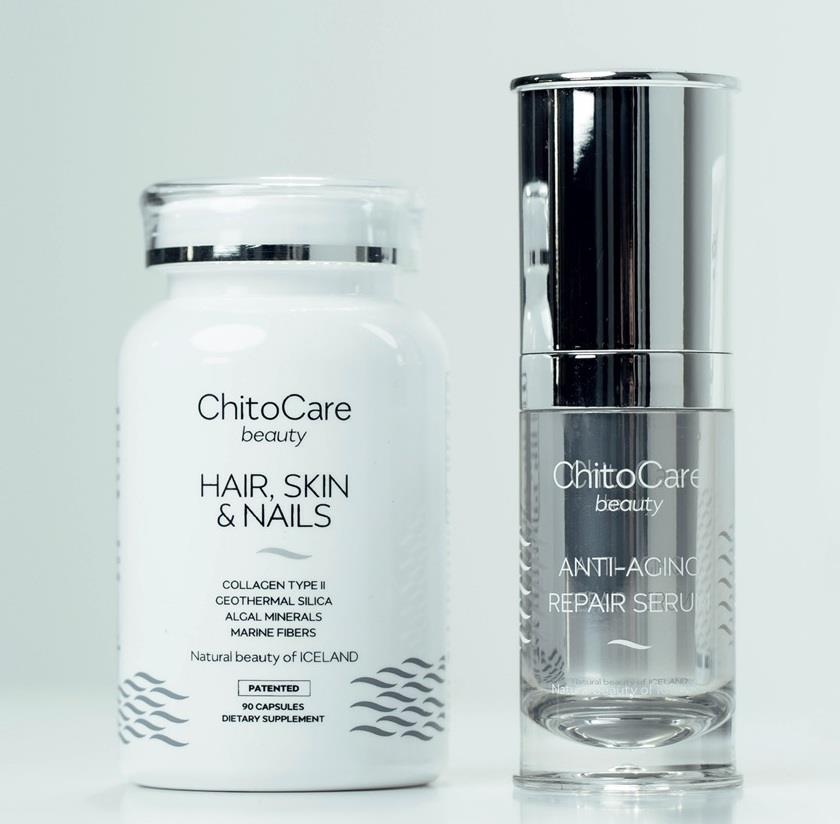
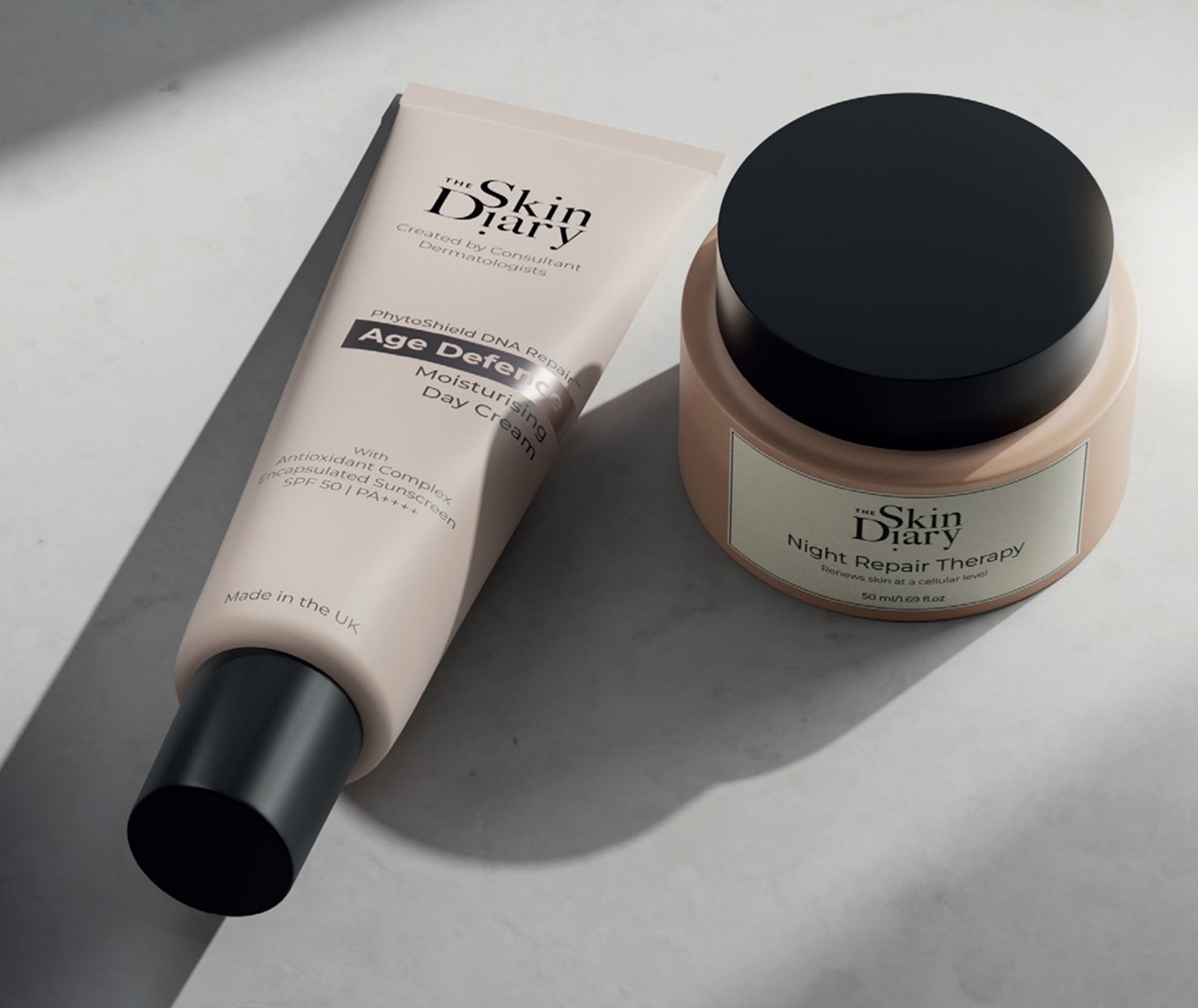
The Skin Diary’s Ultimate Skin Ageing Duo of Night Repair Therapy and Age Defence cuts the guesswork for patients and delivers outstanding results. The at-home skincare solutions accelerate skin repair for optimal ageing; gentle enough to be used pre- and post-procedure but powerful enough to continue scientifically proven results.
PROVEN RESULTS
Ultimate Skin Ageing Duo solution clinically proven to:
- 2x increase collagen and fibrillin
- 2x reduction in cellular senescence
- 3.8x reduction in inflammatory gene expression
- 0 Delivered with zero irritation
To purchase login to your Wigmore Medical Account
References:
1. Widgerow A.D., Cohen S.R., and Fagien S., Preoperative skin conditioning: extracellular matrix clearance and skin bed preparation, a new paradigm, Aesthetic Surgery Journal, 2019, 39(Suppl. 3), S103–S111.
2. Ud-Din S., Wilgus T.A., McGeorge D.D., and Bayat A., Pre-emptive priming of human skin improves cutaneous scarring and is superior to immediate and delayed topical anti-scarring treatment post-wounding: a double-blind randomised placebo-controlled clinical trial, Pharmaceutics, 2021, 13(4), 510.
3. Li J., Liu X., Zhang Z., Wang H., Ma J., Jiang Y., Sheng L., Li S., Zhang J., Lin X., Hsu K., Tu Y., Steel A., Wu Y., and Flament F., Efficacy and tolerability of a facial serum before and after ablative fractional carbon dioxide laser: a randomized controlled trial on Chinese women, Dermatology and Therapy (Heidelberg), 2025.
