 Added to basket

 Unapplied Changes









 Before the boom of injectables and high-tech devices, we were told that the route to better skin was pretty simple—invest in good skincare, book the occasional facial, and protect your complexion with a dose of daily SPF.
But as aesthetic medicine and beauty treatments merge closer and closer together, a facial laser treatment and even a regenerative injectable can now be booked on the high street. And while there’s an ease of access that we’ve never seen before, many of you are still wondering how to take the leap from basic facials to aesthetic treatments.
We asked our Experts to share their insights into how best to do just that…
Ignore tweakment trends
Every other week there’s a new tweakment trending on social media, making us wonder if we should be getting in on the act. But just because it’s trending doesn’t mean that we should jump to book ourselves in—the most effective treatments are the ones that treat your actual concerns.“Patients often arrive asking for a treatment they’ve seen online,” confirms Aesthetic Doctor and Thames Skin Clinic Founder, Anna Hemming. “But the more useful starting point is identifying what is actually bothering them, whether that’s uneven texture, redness, pigmentation, breakouts, early lines or skin that simply looks tired,” she explains.
That trending treatment you think you need might not even cater to your concerns, and even if it does offer the results you’re looking for, it may not work for your skin. Each concern can have a different biological driver, and treating the symptom without understanding the cause rarely delivers satisfying results.
This makes it important to put a magnifying glass up to your skin health, as barrier damage, rosacea, melasma and active acne, can all influence what treatments are appropriate and safe for you. This is why Aesthetic Doctor and Founder of Dr Raquel Skin & Medical Cosmetics, Dr Raquel Amado, encourages patients to think beyond quick wins and choose a practitioner whose philosophy prioritises skin health and longevity-focused results, rather than pushing trending treatments that could do more harm than good at worst, or not offer any benefits at best.
Book a consultation
With the above in mind, there is rarely just one single ‘right’ aesthetic treatment for you, but there is a ‘right’ way to go about starting your aesthetic treatment journey.“The safest way to approach aesthetic treatments is through consultation with an experienced aesthetic doctor,” says Dr Amado. “A detailed assessment allows us to understand skin condition, medical background and patient goals, so we can design a plan that is appropriate for that individual rather than based on assumptions or social media trends.”
Most plans begin by stabilising the skin, then refining texture, evening out tone and stimulating collagen, and only introducing structural or movement-modifying treatments like dermal filler and wrinkle relaxing botulinum toxin if they are genuinely needed.
According to Amado, even they can be appropriate for aesthetic treatment novices, as “when used conservatively and with a preventative mindset, early neuromodulation for example, can reduce repetitive muscle contraction, helping to prevent static lines from becoming deeply etched while preserving natural expression,” she explains.
A sensible first-year plan
For those ready to move beyond occasional facials, the first year of aesthetic treatments should be about progression, not intensity. Entry-level treatments include:Light chemical peels
What they are: Superficial exfoliating treatments using mild acids to remove dead skin cells and refine the skin’s surface.How they work: By dissolving the bonds between dull, damaged surface cells, peels improve brightness, smooth texture and help unclog pores while encouraging fresh cell turnover.
Why they matter in year one: They offer visible radiance with minimal downtime, helping to even tone and improve clarity, while preparing the skin for collagen-stimulating treatments later.
Microneedling
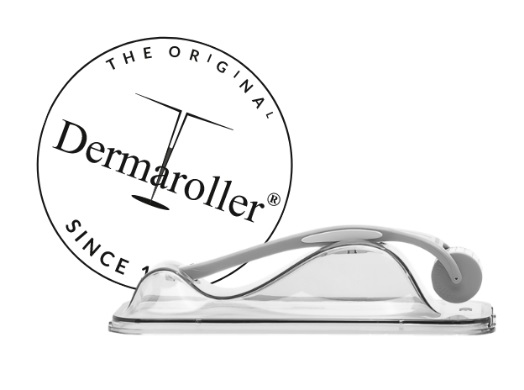
What it is: A collagen-stimulating procedure that uses fine needles to create controlled micro-injuries in the skin.How it works: These micro-channels trigger the skin’s natural repair response, boosting collagen and elastin production while improving texture, pore size and overall firmness.
Why it matters in year one: Microneedling supports long-term skin strength and structure without altering facial features. For beginners, it provides gradual and natural improvement.
Exosomes
What they are: Advanced regenerative treatments that use cell-derived signalling molecules to support skin repair and rejuvenation.How they work: Rich in growth factors, peptides and messenger proteins, exosomes are usually injected to help stimulate cellular communication, encourage collagen production and support tissue repair, improving skin resilience, texture, tone and radiance.
Why they matter in year one: Exosomes can accelerate recovery, enhance treatment results and improve skin quality at a cellular level.
Regenerative injectables
What they are: Biostimulatory or regenerative injectables containing polynucleotides, exosomes, hyaluronic acid (Profhilo) and poly-l-lactic acid (Julaine), are designed to stimulate collagen production and improve tissue quality over time.How they work: Rather than filling lines, these injectables encourage the skin to rebuild structural support, improving firmness and resilience gradually.
Why they matter in year one: These treatments support long-term skin quality and help slow down the ageing process. Typically considered later on, once skin health has been optimised and your practitioner has assessed how well your skin has reacted to the treatments you’ve had throughout the year.
Preventative neuromodulators
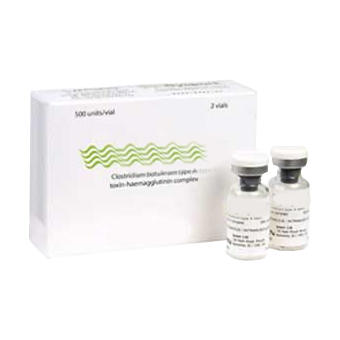
What they are: Small-dose wrinkle-relaxing injections like botulinum toxin, which are used to soften repetitive muscle movement.How they work: By reducing excessive muscle contraction, they help prevent expression lines from becoming deeply etched, while still preserving some natural movement.
Why they matter in year one: They can maintain or induce a rested, natural appearance and support long-term facial balance.
When you approach aesthetic treatments in this slow, stackable, considered manner, you’re able to support skin function, youth-boost your skin and improve the overall texture and tone of your complexion in as little as 12 months.
