 Added to basket

 Unapplied Changes










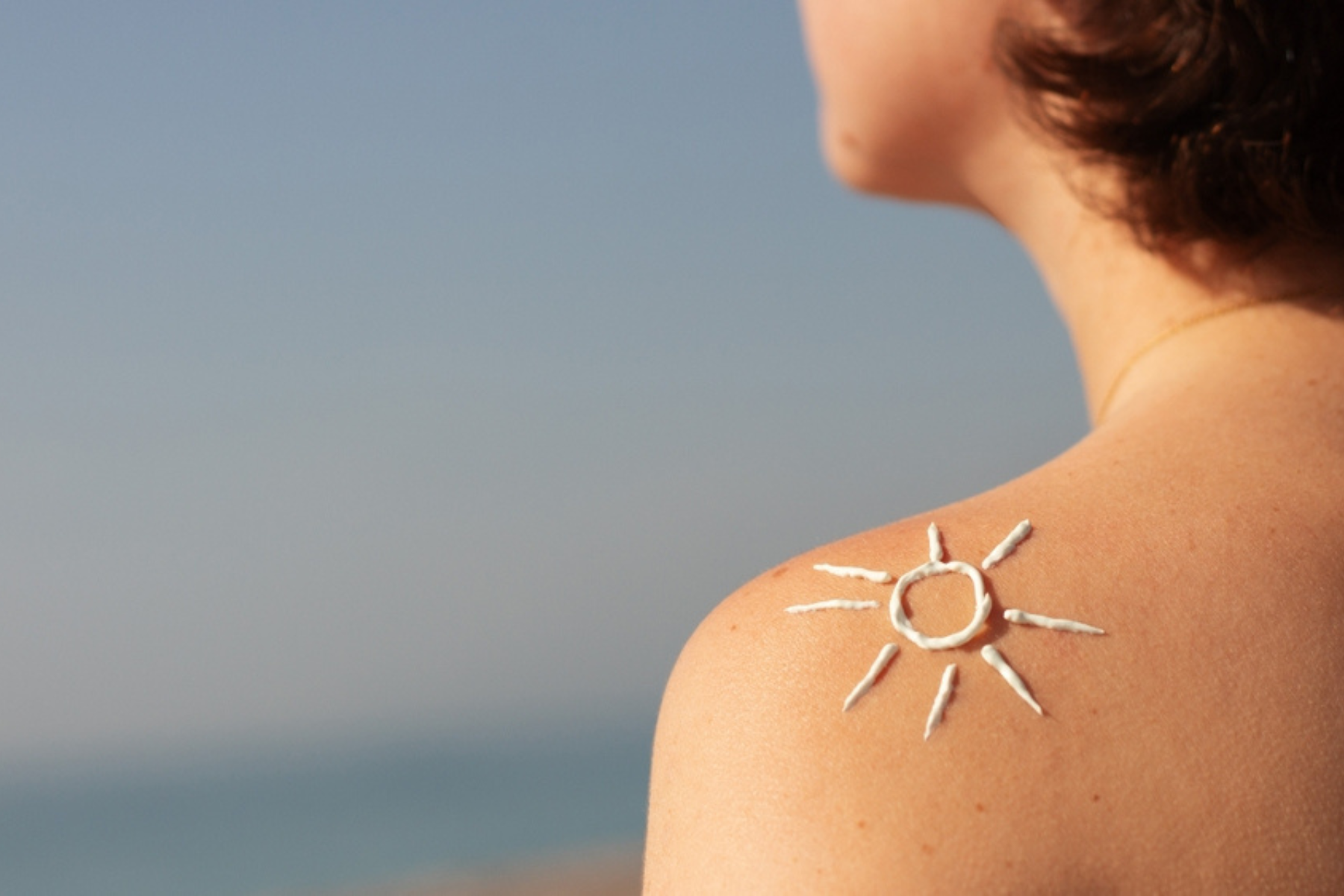 With Skin Cancer Awareness Month and sunnier days upon us, it’s more important than ever to ensure that you’re applying SPF liberally and often. But with SPF, there is often more damaging advice than useful, so we spoke to Bruce Green, Chartered Chemist and Founder of SOS Serum Skincare, who shares the most common SPF mistakes, and the SPF hacks to avoid.
Common mistakes
Forgetting your face / not reapplying"Some people think that wearing make-up or a hat acts as a sufficient barrier from the sun, however you should wear SPF underneath as UV rays can still penetrate the skin. Skin cancer is most common on the face and scalp—the thinnest area on the body is our eyelids and can derive from a lack of UVA/UVB protection on our eyelids, lips and ears."
Sun's out, SPF on
"The UV rays in the UK generally stay below 8 on the UV index, with the higher UV concentration on days in the summer months. Although the UK isn't a hot, sunny country, even sitting inside allows for UV rays to penetrate the skin. Although many save the suncream for their summer holidays, it's important to wear an SPF 30-50 sunscreen all year round."
Blame it on the SPF ‘
"While SPF is important to wear every day, the type of sun cream you apply can affect its effectiveness. Check the label to see if the one you have protects against both UVA and UVB. SPF only accounts for the UVB rays, so it's imperative to choose a sunscreen that says “broad spectrum” on the label, as this indicates the product helps protect the skin from UVA rays as well. For example, SOS SPF50 Sun Cream from SOS Serum is a broad spectrum formula that delivers UVA and UVB protection to help prevent premature skin ageing.’"
Not applying enough
"As a guide (NHS), adults should aim to apply around two teaspoons of sunscreen if you’re covering your head, arms and neck, and two tablespoons if you are covering your entire body while wearing a swimsuit. SOS SPF50 Sun Cream uses thin film technologies which means a little goes a long way.’"
Solely relying on SPF
"Applying SPF shouldn't be your first line of defence. Although it is important to wear every day, you should look to still be in the shade where possible and to avoid the sun at its hottest point of the day. Wearing long sleeved clothes, hats and sunglasses can also add a layer of sun protection."
Hacks to avoid
Storing your suncream in the fridge"While some people believe that keeping your suncream in the fridge will help to retain the efficacy and shelf-life of the product once opened, this isn't a necessary step. Keep your suncream in a cool, dark place and avoid leaving suncream in bags, out in the sun or in the car during warmer temperatures."
Using an SPF setting spray so you don't have to reapply
"This isn’t ideal when you are applying suncare particularly, as not only can this be expensive, but it’s also important to apply an adequate amount so that product efficacy is maintained."
Using a moisturiser or make-up with SPF
"Double-duty products may make steps shorter and seem more efficient, however you cannot always rely on your daily moisturisers or make-up products to give you adequate protection, as often the SPF is too low and maintaining an optimum level of sun protection requires regular application and reapplication."
Using a Minky Sponge to apply suncream and moisturiser
"I prefer to use super clean fingertips to apply sunscreen, because you can feel your face’s contours and feel for any blemishes or imperfections you might want to treat far easier than using a sponge. Using your fingertips also makes it easier to control how much product you apply—a sponge absorbs a lot of product. This isn’t ideal when you are applying suncare particularly, as not only can this be expensive, but it’s also important to apply an adequate amount so that product efficacy is maintained."
Using a stick SPF applicator for hands, feet and face
"While formulation is down to personal preference, a stick form applicator can be less accurate and more damaging to skin by applying inaccurately and too little; applying too thinly can reduce the level of protection."
