 Added to basket

 Unapplied Changes











 For those of us with sensitive skin who may experience redness, inflammation or sore, dry patches, we may feel locked out of the world of actives. For great skin, we’re often told to reach for things like retinol and exfoliating acids.
But what if, because of our skin type, we can’t access the kind of benefits these ingredients offer? This is where the approach of ‘microdosing’ comes in—and it can also (loosely) be used within injectables for subtler, more gentle results.
The advent of microdosing reflects our changing attitudes towards skincare; where before, more was most definitely more, now many of us embrace a ‘less is more’ approach. “Across both techniques (microdosing in skincare and injectables), the underlying philosophy aligns with where aesthetic medicine has been moving for years,” confirms Cosmetic Physician Dr Emmaline Ashley. “Less can absolutely be more, when it's well planned and delivered by someone who understands the anatomy and the goals.”
Here’s how to embrace microdosing within your routine—both at home and at the clinic.
Microdosing skincare
The microdosing approach was first brought to me by Pamela Marshall, a trusted Clinical Aesthetician who has decades of hands-on experience with clients. For Marshall, using actives is about balance.“Wounding actives like AHAs and retinoids have incredible 'super powers', but as they are considered wounding (or as others call it, 'harsh') actives, too much and too often can wreak havoc on the skin, causing inflammation in the form of redness. It can also lead to transepidermal water loss, as well as peeling,” she explains.
By microdosing instead, we get a small amount everyday. “It takes us a little longer to get to the end results, but we do it without causing irritation.” Marshall calls it the ‘low and slow’ method, and equates it to working out. “We wouldn't go to the gym and do the hardest Crossfit class everyday, because our muscles would hurt and eventually we'd burn out. It's no different with skincare. We want to use formulations that are active but also thoughtful about the long-term health of our skin.”
The best bit about microdosing is that there are plenty of ways to do it. Marshall’s two favourites are using formulations that feature lower concentrations of a certain active (for example, retinyl palimitate, which is a low level form of vitamin A) and checking they are further down on an ingredients list. This represents a less potent inclusion of ingredients like retinoids, glycolic acid, lactic acid, citric acid, or mandelic acid. Marshall also looks for complementary ingredients in any formula that features wounding actives; for example, mandelic acid alongside PHAs (polyhydroxy acids), which are a form of ‘healing’ actives.
Other approaches include introducing actives extra slowly (e.g. exfoliating acids once a week to begin with), using smaller amounts, or ‘sandwiching’ actives by applying moisturiser before and after, says Consultant Dermatologist Dr Sidra Khan, who notes that the main benefit of microdosing is “better barrier preservation.” Overuse can lead to “irritation, dryness, inflammation, and ultimately worse skin outcomes.”
Whichever way you choose to do it, microdosing is a brilliant option for those with sensitive skin who want to reap the rewards of actives like retinols and acids. “This approach is particularly helpful for people with sensitive skin, rosacea-prone skin, eczema-prone skin, darker skin tones where post-inflammatory hyperpigmentation is a concern, or anyone starting stronger actives for the first time,” notes Khan. “It’s also useful for people who have been ‘skinfluenced’ into using too many products at once, and are looking for some structure and support in cutting it back.”
Microdosing injectables
The microdosing principle can also loosely be applied to the way we approach injectables within aesthetics, but experts are eager to emphasise that the practice differs from how we view it within skincare.“This is where the conversation becomes more nuanced, and I want to be clear that there is no single definition of ‘microdosing’ in aesthetics and certainly no one-size-fits-all approach,” says Cosmetic Doctor and Dentist Dr Raquel Amado.
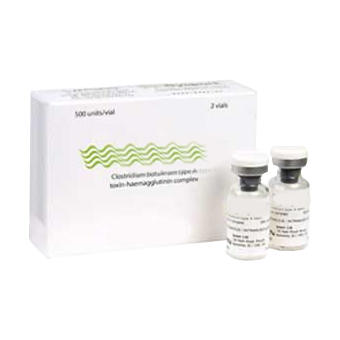
Broadly speaking, she says, techniques such as ‘Baby Botox’ sit under the microdosing umbrella, where smaller doses of the botulinum toxin are placed across a wider area to offer more gentle results. Skin boosters can also be used in a ‘less is more’ way, aiming to hydrate skin and improve skin quality. Again, they could be seen generally as a ‘microdosing’ approach to using hyaluronic acid filler products (although for very different purposes). Spacing treatments further apart than you usually would could also be seen as a way to ‘microdose’.
However, generally, these are completely different techniques rather than just a smaller dose of filler or botulinum toxin, so it’s important not to conflate the two.
Amado mentions that, “microdosing in injectables, when done correctly and by an experienced practitioner, can be a wonderful entry point for patients who are injectables-curious but wary of an ‘overdone’ look.” Dr Ashley adds that patients with “milder dynamic lines who want softening, anyone with strong forehead muscles where a full dose would risk brow heaviness or asymmetry, performers, presenters and those whose work depends on full facial expression,” could also benefit.
But it’s important to stress, as Amado does, that “what works beautifully for one patient could be completely inappropriate for another,” meaning there is no broad microdosing principle in aesthetics that works for everybody.
“We need to make sure we manage the patients’ expectations well, as microdosing might end up being suboptimal and patients won’t see any difference, and blame the products or practitioner," she concludes.
