 Added to basket

 Unapplied Changes


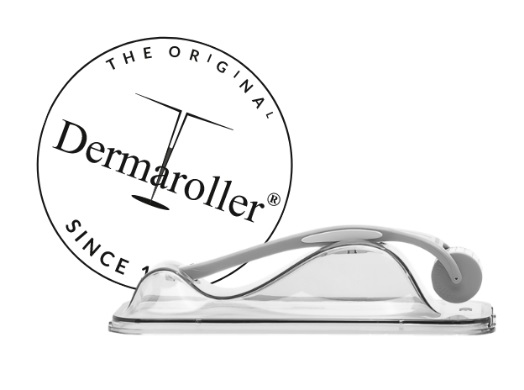

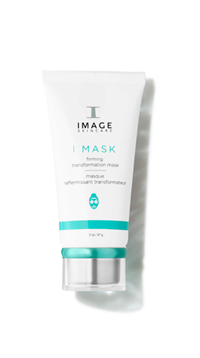







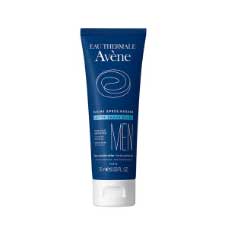
 As temperatures drop, so does the skin’s resilience. Harsh winds, central heating, low humidity and increased sensitivity can leave the complexion dull, dehydrated and reactive. For many, winter skin challenges are more than seasonal irritation; they can compound existing concerns like rosacea, acne flare-ups and pigmentation.
 According to Advanced Nurse Practitioner and Independent Prescriber Emma Wedgwood, winter is a crucial window for deeper repair, barrier rebuilding and regenerative skincare.
Why winter takes its toll on the skin
“The drop in moisture in the atmosphere can lead to increased trans epidermal water loss, leaving skin vulnerable and more reactive," says Wedgwood. "When the skin barrier is compromised, inflammation increases and conditions like redness, sensitivity and breakouts become more pronounced. Indoor heating can worsen dehydration, while cold air constricts blood vessels, reducing nutrient flow to the skin.”Emma’s philosophy centres on restoration rather than alteration, a reflection of her clinical background and her long-held belief in supporting the whole person. “Winter is the ideal season for regenerative treatments, as lower UV exposure allows for deeper rejuvenation with minimal risk," she shares. "Treatments that stimulate collagen, rebuild structure and treat chronic conditions like rosacea and hyperpigmentation work best during this time.”
Regenerative treatments to rebuild skin from within
Laser rejuvenation & vascular treatments“Advanced laser protocols allow us to improve texture, redness and pigment by targeting the deeper dermal layers with controlled precision. I often treat rosacea and thread veins most successfully in winter, when heat and sunlight no longer aggravate the skin.”
Exosomes & polynucleotides
“These next-generation regenerative treatments support cellular repair and strengthen the skin’s barrier function. They’re particularly effective in restoring radiance, improving skin resilience, and promoting long-term skin health during colder months.”
Profhilo
“A minimally invasive, bio-remodelling treatment that hydrates the skin, improves elasticity, and stimulates collagen and elastin production. It’s perfect for winter because it works beneath the surface to strengthen and restore the skin.”
Winter skincare
"Your winter regime should focus on barrier repair and hydration, rather than layering multiple active acids. Ingredients such as ceramides, niacinamide and hyaluronic acid help restore moisture levels and support the lipid barrier," says Wedgwood, who likens it to strengthening the foundations of a house—once the barrier is strong, everything else becomes easier."Retinoids are powerful tools, and winter can be one of the best times to use them because we have less UV exposure and therefore a reduced risk of sun sensitivity. This allows us to really focus on deep repair, boosting collagen, improving texture and softening fine lines," she shares. "However, if you push too hard in the colder months, the skin can become dry, compromised or irritated. I often recommend easing into retinoids slowly, buffering with a nourishing cream, or adjusting the frequency to make sure the barrier stays strong and supported."
Wedgwood is a firm believer that sunscreen is one thing that you mustn't compromise on: "Daily SPF is non-negotiable all year-round and is essential to maintain long-term skin health, as UV and infrared light still penetrate the skin in winter.”
