 Added to basket

 Unapplied Changes









 "Botox sticks" are everywhere right now, especially on TikTok, promising lifted, smoother, wrinkle-free skin without needles. But what are they actually doing, and can they really replace injectable botulinum toxin?
According to leading Aesthetic Doctors Dr Michael Jarvie Thomas and Dr Joanna Christou from The Cosmetic Skin Clinic, the answer is no, and in some cases, the marketing around these products could be seriously misleading.
So-called “Botox stick” topicals don’t contain botulinum toxin and can’t replicate how injectable toxin works. Instead, they rely on temporary cosmetic effects like hydration, plumping, skin tightening films, or blurring agents that smooth the surface of the skin for a short period of time.
Dr Jarvie Thomas explains: “Most are designed to hydrate, plump and smooth the skin for a short period of time, so lines look softer and the skin feels tighter. Some work by creating a thin film that contracts as it dries, slightly tightening the skin underneath. Others work by forming a layer on the skin that blurs the underlying skin texture.”
Some formulas include ingredients like bee venom, often marketed as a “natural Botox alternative”. But the evidence just isn’t there. “Bee venom is an interesting one,” says Dr Jarvie Thomas. “It’s often talked about in terms of modulating inflammatory pathways in the skin, with a knock-on effect on collagen build-up and breakdown. But the truth is that we don’t have high-quality evidence that these ingredients deliver consistent, meaningful results long term. The benefits are usually very temporary.”
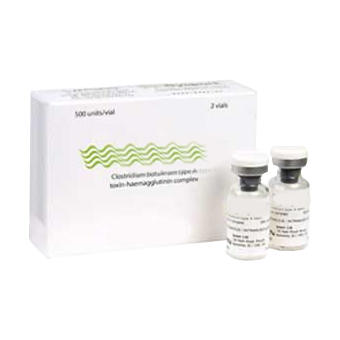
Dr Christou adds that botulinum toxin's safety profile is one of the strongest in aesthetic medicine, and that it improves the appearance of the skin by working at the muscle level.
“Botulinum toxin A has been used in clinical medicine since the 1970s, and its safety and efficacy data are outstanding. With an experienced clinician, there is no cause for concern. Botulinum toxin isn’t treating the skin per se, it’s targeting the underlying muscle. By temporarily and reversibly reducing muscle contraction, we reduce the way lines become imprinted into the skin. When combined with good skincare like SPF and retinol, results are even better and longer-lasting."
