 Added to basket

 Unapplied Changes









.png) Ever walked out of an aesthetics clinic with your face feeling tingly or looking flushed, or tried a new skincare product only to experience stinging, redness or irritation?
Ever walked out of an aesthetics clinic with your face feeling tingly or looking flushed, or tried a new skincare product only to experience stinging, redness or irritation?These reactions are surprisingly common—and sometimes even to be expected. A recent review revealed that short-term reactions such as redness, tingling or mild irritation may often occur after procedures such as chemical peels, laser resurfacing, or the use of active topical ingredients. These reactions are part of the skin’s natural inflammatory and healing response.
But while it’s perfectly normal to experience tightness, pinkness or increased sensitivity after certain procedures, it’s important to recognise when things feel a bit off. For example, if there is persistent swelling, intense burning or a nasty rash—these may be signs of an adverse reaction, or even an allergy. So, it’s important to understand when certain ingredients or treatments may be too harsh for your skin.
We asked the experts what’s normal, what’s not, and what you can do.
Retinol burn
Retinols are used in skincare to speed up skin cell turnover, stimulate collagen production and increase the production of natural hyaluronic acid, helping skin to maintain better tone, firmness, moisture and plumpness. But it pays to take things slowly.What’s normal: Retinols can cause slightly tingly, pinkish, mildly irritated skin. This is usually a temporary effect that may last a few days, and can also be called the 'retinoid uglies.'
What’s not: “Retinol burn is most commonly caused by using a too high strength retinol, or using it too often,” says Dermatologist Dr Eva Melegh. “This can result in retinol burn, where there may be a burning sensation, severe itching, irritation and redness. Skin feels very tight, dry and flaky and may even start to peel.”
Dr Melegh recommends:
- Stop using all retinol products immediately: It is also essential to moisturise skin intensively. Hydrosil Turmeric Butter & Milk Salve is a dry skin rescue salve that's intensely hydrating and anti-inflammatory. It contains turmeric butter and hypoallergenic donkey milk, to soothe skin and lessen itching and irritation.
- Try water-free cleansing: Water contains chlorine which is very drying. Use a hydrating cream cleanser instead, such as Kalme Cream Cleanser, which has a chemical and paraben free formulation containing sweet almond oil and pro-vitamin B5.
- Re-balance the skin's microbiome: Retinol burn temporarily damages the skin barrier which allows ‘bad’ skin bacteria to go deeper into the epidermis and cause inflammation and infection. Clarol Silver Serum contains a patented silver ingredient that inhibits bad bacteria, allowing good skin bacteria to flourish.
- Boost skin barrier repair: Support good skin bacteria with prebiotics: Kalme TeQ Serum contains two types of Mexican agave extracts which are both potent prebiotics, and more hydrating than hyaluronic acid.
- Wear a mineral SPF: Skin exposed to retinol is much more sensitive to UV damage—fragrance free HydroPeptide Solar Defense Non-Tinted SPF 50 contains moisturising hyaluronic acid, protective antioxidants and provides broad spectrum mineral protection from UVA, UVB and infrared rays.
Irritation overload
Skin irritation caused by using too many different ingredients, or combining too many actives, is very common. Layering multiple actives can stress the skin barrier, leading to inflammation and disruption of the skin’s natural balance. Ingredients most likely to cause reactions include exfoliating acids like AHAs (eg: glycolic acid) and BHAs (eg: salicylic acid), retinoids (eg: retinol), vitamin C, and strong acne treatments such as benzoyl peroxide.What’s normal: Some mild tingling with certain ingredients such as AHAs or vitamin C is normal.
What’s not: “Signs to look out for include persistent redness, a burning, or stinging sensation, that doesn't settle within a minute of application, or tight, peeling, flaking skin,” says Dr Emmaline Ashley, Cosmetic Physician and Founder, Ashley Aesthetics. “You might also notice that your skin is much more sensitive to products that previously didn't case any reaction in your skin, because your barrier is impaired.”
Dr Ashley recommends:
- Stop active ingredients: Along with actives, skip exfoliating scrubs and go back to basics.
- Be gentle: Use a gentle cleanser and moisturiser with hyaluronic acid and ceramides—we like CeraVe Facial Moisturising Lotion with hyaluronic acid, ceramides and niacinamide.
- Focus on barrier repair: ZO Skin Health Rozatrol contains amino acids and antioxidants for red, sensitised skin, hydrating and replenishing the skin barrier.
- Calm the skin: Epionce Renewal Cream Calming Cream contains ceramides and colloidal oat to soothe the skin and support the skin barrier.
Post treatment redness and sensitivity
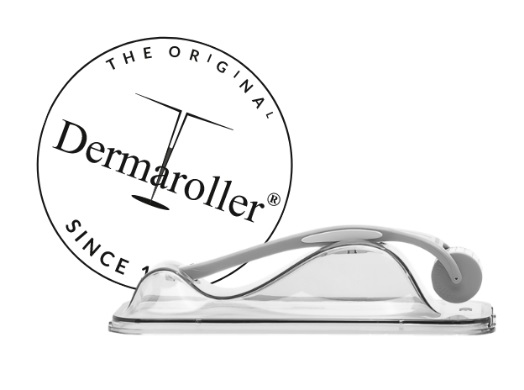
Some redness is normal after a chemical peel, IPL, ultrasound procedures and microdermabrasion. Laser treatments and injectables can also cause temporary sensitivity and swelling, and there may be a light ‘sun burn’ effect after microneedling.What’s normal: Bruising (for injectables), slight swelling, and redness. “For most aesthetic treatments there is a healing window of 1-2 weeks,” says Amish Patel, BEM, Award-Winning Aesthetics Practitioner and Skincare Expert, Intrigue Cosmetic Clinic.
What’s not: Red flags include any redness or swelling that worsens after 48 -72 hours instead of improving; blistering; weeping skin; intense burning; painful bumps; streaks, or fever.
Patel recommends:
- Talk to your practitioner: Reach out if you are concerned about a post-treatment reaction. Your practitioner should provide you with aftercare advice.
- Hydrate skin: Ingredients such as hyaluronic acid, ceramides and squalene are great for boosting hydration and gently healing the skin barrier. HydroPeptide Daily Drench contains hyaluronic acid for fast acting hydration.
- Calm and heal: Ingredients such as aloe vera and green tea extract are good for calming the skin and promoting healing. Niacinamide and peptides are great for post-microneedling and peels, as they help reduce inflammation and redness and speed up the healing process. We like iS Clinical Pro Heal Serum which contains antioxidant vitamins A, C and E, and olive leaf extract.
- Avoid: Touching, picking or massaging your face post-treatment; steam rooms; hot baths and showers, and vigorous activity.
Allergic reactions
True allergic reactions are very different from skin irritations, because they involve the immune response. Immune cells identify certain substances (eg: fragrance, preservative) as a threat and release inflammatory chemicals—this triggers symptoms such as swelling, hives, redness or a rash. While skin irritations can feel uncomfortable and unpleasant, allergic reactions can be more serious and sometimes require urgent medical attention, especially if symptoms come on quickly and include significant swelling or difficulty breathing.What’s normal: Irritation tends to be localised to where the product was applied.
What’s not: Signs to watch out for include itching (often the first clue), hives, a spreading rash and swelling, especially around the eyes or lips. In serious cases, difficulty breathing or a feeling of the throat tightening can occur.
Dr Ashley recommends:
- Remove the product immediately: Especially if you suspect an allergic reaction.
- Cleanse gently: Cool water is best.
- Pop a pill: Antihistamines can help with mild reactions.
- If things escalate: Seek medical assistance immediately if there is facial swelling, throat tightening, dizziness or difficulty breathing, this may indicate an anaphylaxis emergency.
