 Added to basket

 Unapplied Changes














A report from the World Health Organisation (WHO) to the Global Cancer Observatory (GCO) showed that 207,555 new cases of cancer occurred within the female population in the UK in 2018. Breast cancer represented a third of them.
Nowadays, hormonotherapy—aiming for the reduction of the oestrogen hormone in the body—is one medical response available to fight the spread of the disease. However, the side effects of this treatment are not negligible. Vaginal dryness, burning sensation and pain are the main ones and irremediably conduct to loss of quality of life and libido. In fact, ten to thirty percent of patients decide to stop their treatment because the side effects are so great. This decision directly endangers the chances of remission and survival of these women.
The need for innovative practices
Solutions are available on the market to combat vaginal dryness and other side effects, including topical gels and hydrating tablets, but the product application can be inconvenient for the user and the effect is not durable. Hence, the need to turn towards more innovative and longer-lasting treatments.
Hyaluronic acid (HA), through its highly hygroscopic properties, represents a safe compromise for patients undergoing hormonotherapy for vaginal rehydration. Not only is the molecule produced naturally by our body but it also can attract up to one thousand times its its own weight in water.
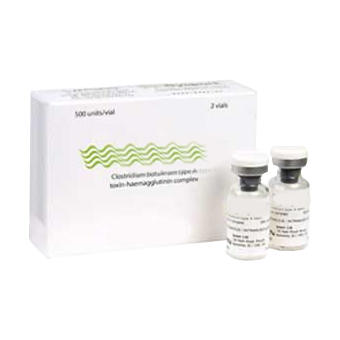
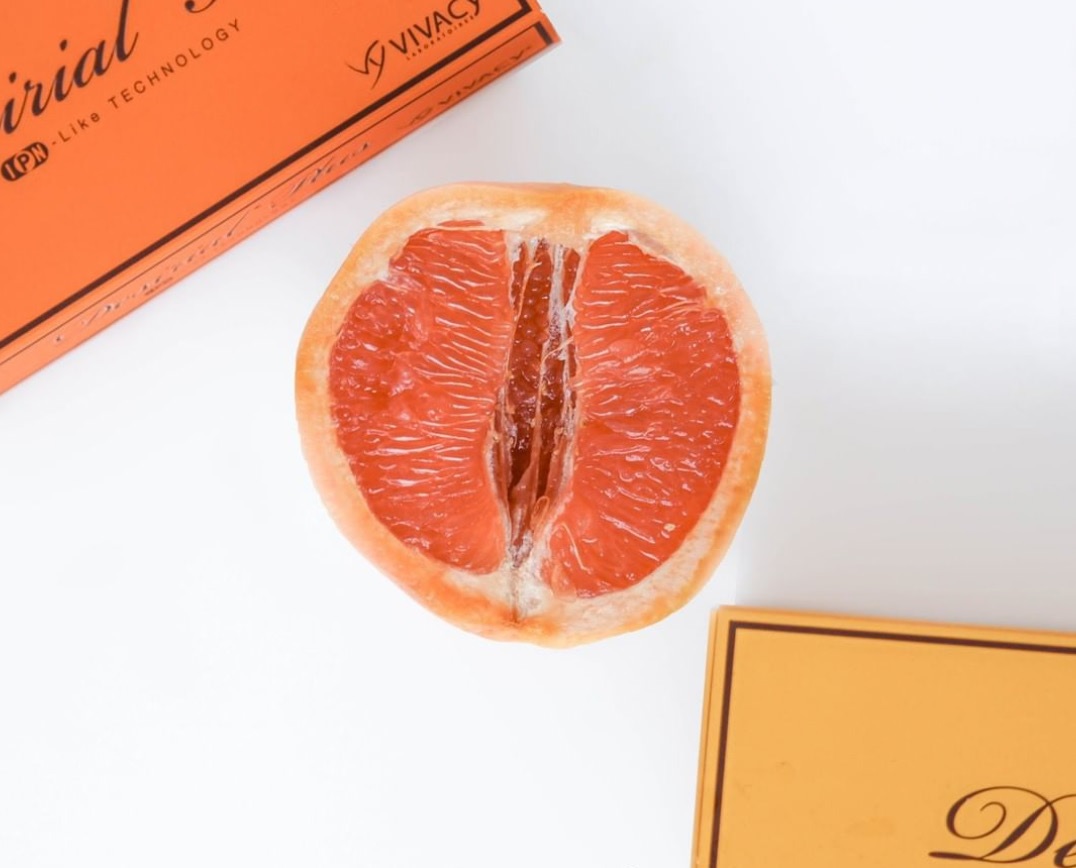
Specialised in HA research and manufacturing HA-based injectables used in plastic surgery, dermatology and aesthetic medicine, the French company VIVACY Laboratoires has designed a product range specifically indicated for the vulvovaginal area. DESIRIAL is currently the only CE-mark approved product for this indication in the UK market.
How can a DESIRIAL hyaluronic acid injection provide comfort for women suffering from vulvovaginal disorders?
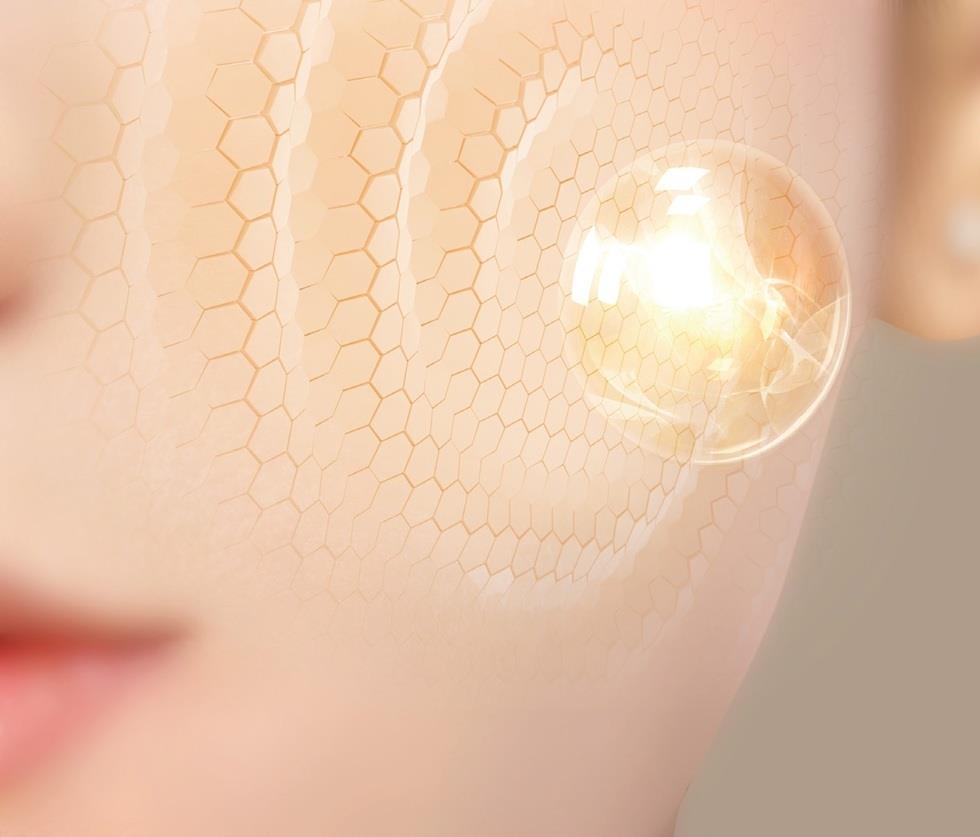
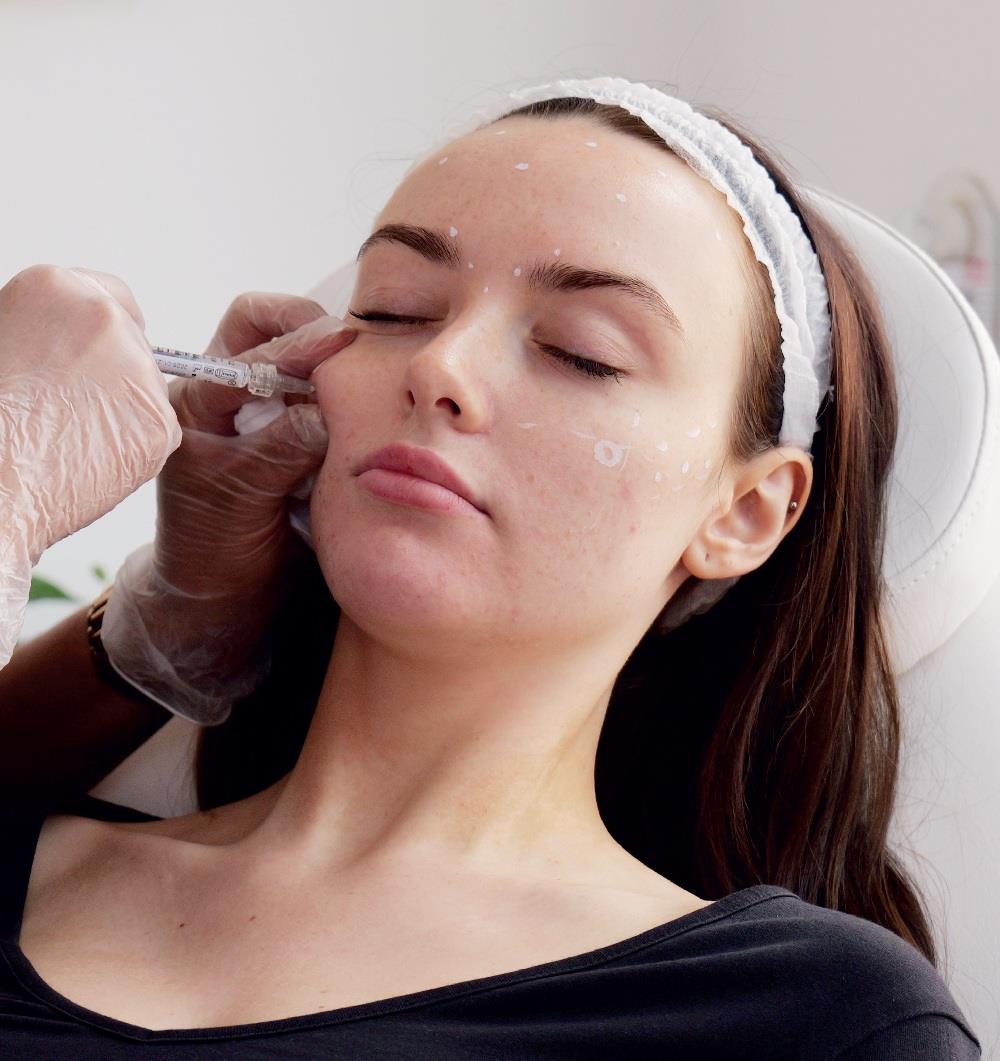
The injections deliver HA to just below the mucosa where it helps to increase the thickness of the mucous membrane reconstructed from the deepest epithelial cells. This in turn will lead to an increase in the intermediate and surface layers, inducing a global redensification of the vaginal mucosa.
In addition, this type of injection causes mechanical pressure on the cells that make up the vulvovaginal mucosa. These fibroblasts then see their activity increase. Thus, the synthesis of collagen and elastin fibres is promoted, which also helps to improve the quality of the vulvovaginal mucosa.
Another VIVACY innovation is the addition of mannitol in the formula. Mannitol is an antioxidant which limits the gel’s degradation after injection. It scavenges the free radicals generated by the penetration of the needle or cannula during injection. As a consequence, mannitol helps to protect the HA molecules during the first hours after injection.
Proven efficacy of the French know-how
In a study spanning 2015 to 2017, Dr Sebban Sarfati recorded the rate of satisfaction for DESIRIAL injections from 110 women undergoing hormonotherapy for breast cancer and suffering from vaginal dryness. Dr Sarfati found that the rate of satisfaction was very high (90% a month after injection) and only saw a decrease in levels six months after injection. These findings corroborates the idea that HA injections every six months could be a convenient and durable alternative for patients.
The need to speak up
As the results are highly promising for patients, why is DESIRIAL not yet the go-to solution for health practitioners when they meet a patient suffering from vaginal dryness? Gynaecological issues can be taboo and intimidating to confess and also in general the medical profession is not up-to-date on the latest innovations for the indication. In a survey published in 2019, a group of experts identified that '[a]dditional formal training during residency for aesthetic genital surgery would be beneficial. Additionally, courses at meetings would be useful for plastic surgeons who have had insufficient training.'
That is why informing plastic surgeons, gynaecologists, oncologists, aesthetic doctors and above all, patients, is of paramount importance.
In October, VIVACY Laboratoires invites everyone to take part in a series of events across the UK that will aim to share the stories of woman battling breast cancer and present their HA alternative to better quality of life and sexual health. The date and place of the events are to be announced during the course of October on VIVACY UK’s Instagram page, @vivacylab.uk. For more information on the product please visit desirial.fr/en/
1. Pistilli B, Paci A, Michiels S, et al. Serum assessment of non-adherence to adjuvant endocrine therapy (ET) among premenopausal patients in the prospective multicenter CANTO cohort. ESMO 2018 Congress, Abs 1850, 2018.
2. Sabban Serfati P. Cancer du sein : utilisation de l’acide hyaluronique au niveau de la sphère génitale. Impact sur la compliance des traitements hormonaux adjuvants. Innov Ther Oncol 2019 ; 5 : 202-207. doi : 10.1684/ito.2019.0170.
3. Kotti, B., Triana, L., Condé-Green, A., Janne Hasbun, S., Cansancao, A.L. and Agag, R.L. (2019). Assessment of Female Genital Surgery Education in Plastic Surgery Training: Report of an Expert Opinion Survey. Aesthetic Plastic Surgery, 43(4), pp.1102–1110.
